Buying a laptop no longer means choosing between just performance or price. Today’s market offers powerful machines for work, study, gaming, creativity, and casual use. This curated list of top laptops brings together 25 models designed for different users, budgets, and lifestyles. Best Laptops for Everyday Use Apple MacBook Air M3 – Lightweight, fast, and perfect for daily productivity Dell Inspiron 15 – Reliable performance for home and office tasks HP Pavilion 14 – Balanced specs with a clean, modern design Lenovo IdeaPad Slim 5 – Great battery life and solid multitasking ASUS VivoBook 15 – Stylish, affordable, and student-friendly Best Laptops for Students Acer Aspire 5 – Strong value with dependable performance Microsoft Surface Laptop Go 3 – Compact, portable, and classroom-ready HP Chromebook Plus x360 – Ideal for cloud-based learning Lenovo Chromebook Duet 5 – Lightweight and versatile...
Buying a laptop no longer means choosing between just performance or price. Today’s market offers powerful machines for work, study, gaming, creativity, and casual use. This curated list of top laptops brings together 25 models designed for different users, budgets, and lifestyles.
Best Laptops for Everyday Use
Apple MacBook Air M3 – Lightweight, fast, and perfect for daily productivity
Dell Inspiron 15 – Reliable performance for home and office tasks
HP Pavilion 14 – Balanced specs with a clean, modern design
Acer Predator Helios Neo – Affordable entry into high-performance gaming
This list of top laptops proves there’s no one-size-fits-all device. Whether you need portability, raw power, creative precision, or gaming performance, one of these 25 models fits your needs. Choosing the right laptop comes down to how you work, play, and create — and today’s options make that choice easier than ever.
Blockchain is a decentralized, distributed ledger that records transactions across multiple computers. It ensures transparency, security, and immutability in data storage.
AR overlays digital information onto the real world through devices like smartphones or AR glasses, enhancing the user's perception of the environment.
IoT refers to the network of interconnected devices that communicate and share data. It enables smart homes, wearable tech, and efficient industrial processes.
AI involves creating computer systems capable of performing tasks that typically require human intelligence. It includes machine learning, natural language processing, and computer vision.
VR creates a simulated environment that users can interact with. It typically involves the use of VR headsets to provide an immersive experience.
Cybersecurity is the practice of protecting computer systems, networks, and data from digital attacks. It includes measures like firewalls, antivirus software, and encryption.





Solana’s Worth in Future: What Could 1 SOL Be Worth?
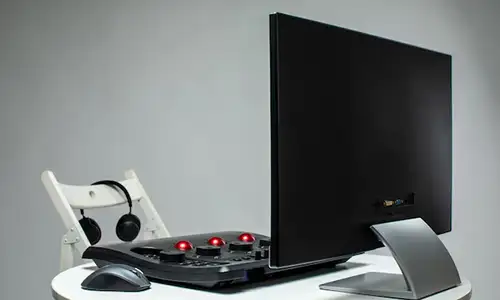
How to Wake Up the System From Sleep Mode on Any Computer
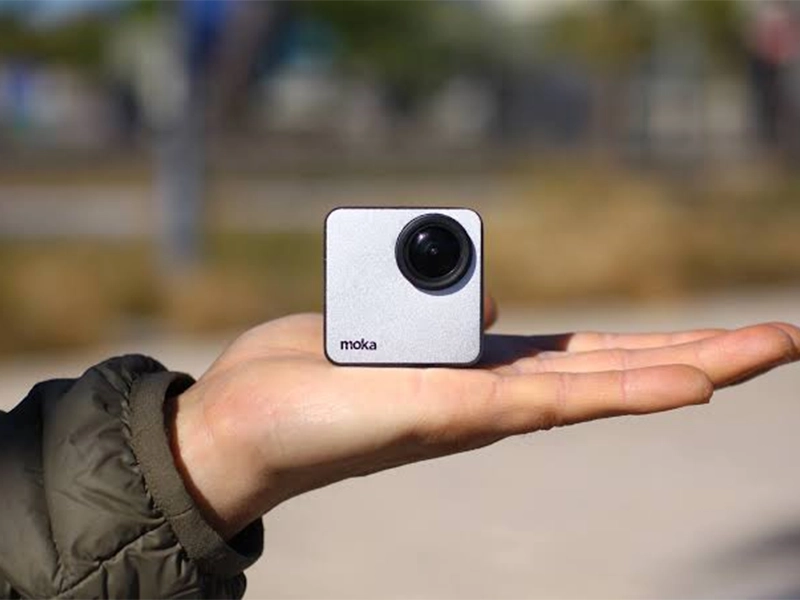
The Mokacam 4K Sports and Action Camera: Tiny but Powerful
How to Choose the Best Document Scanner for Your Needs