Running out of battery at the worst possible moment is almost a daily problem. That’s where a portable charger steps in. Also known as a power bank, this compact gadget has become a must-have for travelers, students, remote workers, and anyone glued to their smartphone. But how does a portable charger actually work? Let’s break it down in simple terms. What Is a Portable Charger? A portable charger is a small, rechargeable battery pack designed to store electrical energy and transfer it to your phone, tablet, earbuds, or other gadgets when needed. Think of it as a mobile energy reserve — you charge the power bank first, then use it later to charge your devices on the go. How Does a Portable Charger Work? At its core, a portable charger works in three simple stages: 1. Storing Power When you...
Running out of battery at the worst possible moment is almost a daily problem. That’s where a portable charger steps in. Also known as a power bank, this compact gadget has become a must-have for travelers, students, remote workers, and anyone glued to their smartphone.
But how does a portable charger actually work? Let’s break it down in simple terms.
What Is a Portable Charger?
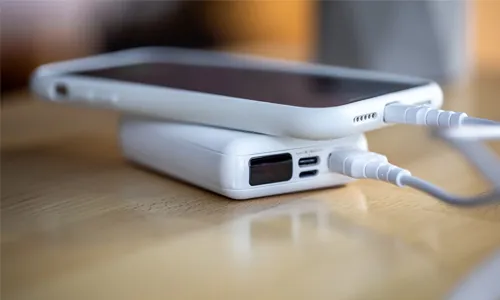
A portable charger is a small, rechargeable battery pack designed to store electrical energy and transfer it to your phone, tablet, earbuds, or other gadgets when needed.
Think of it as a mobile energy reserve — you charge the power bank first, then use it later to charge your devices on the go.
How Does a Portable Charger Work?
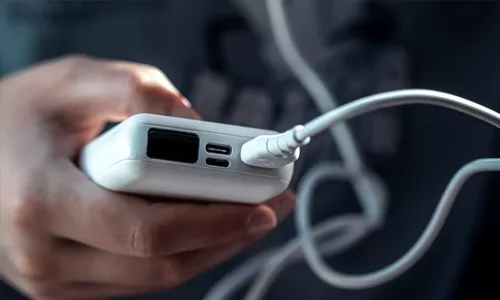
At its core, a portable charger works in three simple stages:
1. Storing Power
When you plug the portable charger into a wall socket or laptop, electricity flows into its internal lithium-ion or lithium-polymer battery. This energy is stored until you need it.
2. Managing Voltage
Your wall socket provides high-voltage power, but your phone needs much less. The portable charger contains circuits that regulate voltage and current, making the power safe for your device.
3. Releasing Power
When you connect your phone to the portable charger, the stored energy flows out through a USB port and charges your device just like a wall charger would.
That’s it — no internet, no magic, just stored energy doing its job.
Why Portable Chargers Are So Useful
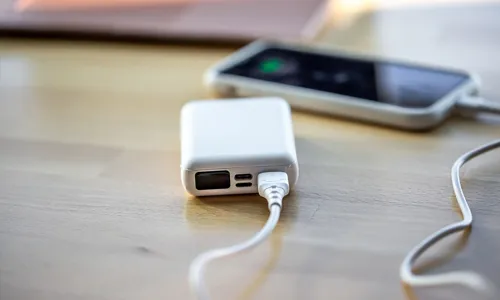
Emergency Power Backup
Perfect for power cuts, travel days, or long outdoor trips.
Multiple Device Charging
Many power banks can charge phones, earbuds, smartwatches, and even tablets.
Portable Convenience
Slim designs fit into pockets, backpacks, or handbags easily.
Fast Charging Support
Modern portable chargers support Quick Charge or Power Delivery (PD) for faster top-ups.
Understanding Portable Charger Capacity
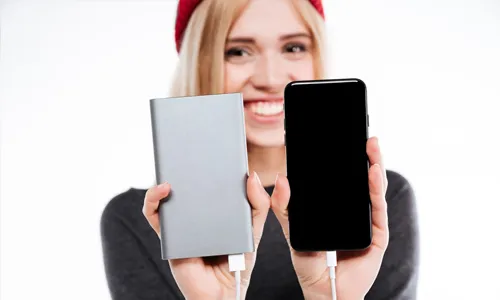
You’ve probably seen numbers like 10,000mAh or 20,000mAh. This refers to how much energy the portable charger can store.
- 5,000mAh – 1 full phone charge
- 10,000mAh – 2 to 3 phone charges
- 20,000mAh – Multiple devices or tablets
Higher capacity means more charges, but also more weight.
What’s Inside a Portable Charger?
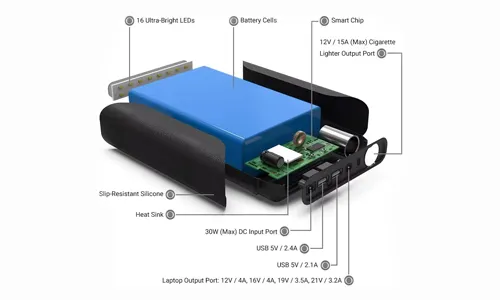
- Battery cells – Store energy
- Charging controller – Manages power flow
- USB ports – Output power to devices
- LED indicators – Show battery level
- Safety circuits – Prevent overheating and overcharging
Good portable chargers include built-in protection to keep your devices safe.
Do Portable Chargers Damage Phones?
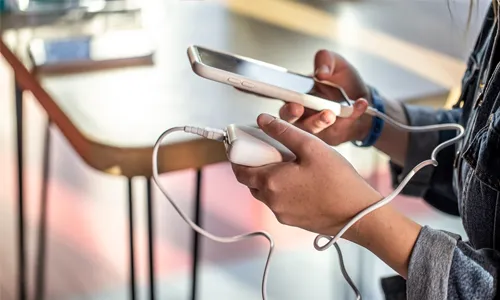
No — as long as you use a certified, high-quality portable charger. Cheap or fake power banks may lack proper voltage control, which can harm your battery over time.
Always look for:
- Overcharge protection
- Short-circuit protection
- Trusted brand certification
How to Choose the Right Portable Charger
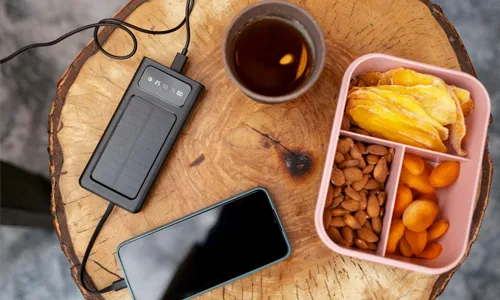
Before buying, check:
- Capacity (based on your usage)
- Fast charging support
- Number of ports
- Weight and size
- Device compatibility
If you travel often, a compact 10,000mAh charger is ideal. For work or long trips, 20,000mAh makes more sense.
FAQs
What is a portable charger used for?
A portable charger provides backup power to charge devices when no wall outlet is available.
How long does a portable charger last?
Most last 2–4 years, depending on usage and charging habits.
Can portable chargers charge laptops?
Some high-capacity chargers with USB-C Power Delivery can charge laptops.
Is it safe to use a portable charger overnight?
Yes, if it has built-in safety protections and is from a trusted brand.
Do portable chargers lose capacity over time?
Yes, battery capacity slowly decreases with repeated charge cycles.
How long does it take to charge a portable charger?
Anywhere from 3 to 8 hours, depending on capacity and input speed.
Can I carry a portable charger on flights?
Yes, most airlines allow power banks under 27,000mAh in carry-on luggage.


Solana’s Worth in Future: What Could 1 SOL Be Worth?
How to Wake Up the System From Sleep Mode on Any Computer
The Mokacam 4K Sports and Action Camera: Tiny but Powerful
How to Choose the Best Document Scanner for Your Needs