When it comes to professional photography, DSLR cameras remain unmatched in versatility, image quality, and lens compatibility. Even in an age of mirrorless innovations and smartphone cameras, DSLR cameras are the go-to choice for those who want full control over their shots and consistent performance in any environment. In this blog, we’ll break down the key features that matter, review specific DSLR camera models, and offer expert tips to help you choose the best DSLR camera for photographers. 1. What Is a DSLR Camera? DSLR stands for Digital Single-Lens Reflex. These cameras use a mirror mechanism to reflect light from the lens to the viewfinder. When the shutter is pressed, the mirror flips up, allowing light to hit the image sensor and capture the photograph. Key Features: Interchangeable lenses Optical viewfinder Manual controls for ISO, shutter speed, aperture Durability and...
When it comes to professional photography, DSLR cameras remain unmatched in versatility, image quality, and lens compatibility. Even in an age of mirrorless innovations and smartphone cameras, DSLR cameras are the go-to choice for those who want full control over their shots and consistent performance in any environment.
In this blog, we’ll break down the key features that matter, review specific DSLR camera models, and offer expert tips to help you choose the best DSLR camera for photographers.
1. What Is a DSLR Camera?
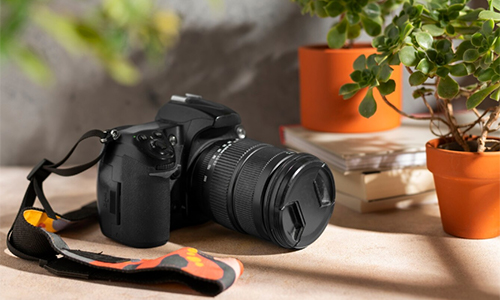
DSLR stands for Digital Single-Lens Reflex. These cameras use a mirror mechanism to reflect light from the lens to the viewfinder. When the shutter is pressed, the mirror flips up, allowing light to hit the image sensor and capture the photograph.
Key Features:
- Interchangeable lenses
- Optical viewfinder
- Manual controls for ISO, shutter speed, aperture
- Durability and weather resistance (in pro models)
2. Top DSLR Cameras for Photographer Needs
Canon EOS 90D (Best All-Round DSLR)
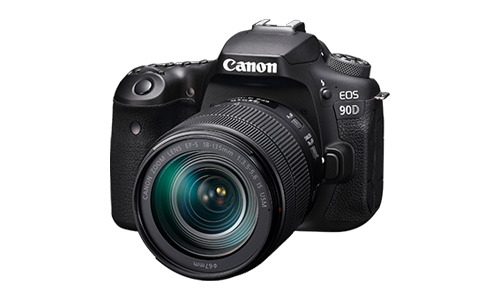
- Sensor: 32.5MP APS-C CMOS
- Video: 4K UHD without crop
- Burst Shooting: 10 fps
- Why it's great: High-resolution sensor, impressive autofocus, perfect for wildlife, portraits, and video.
Nikon D7500 (For Enthusiasts and Advanced Hobbyists)
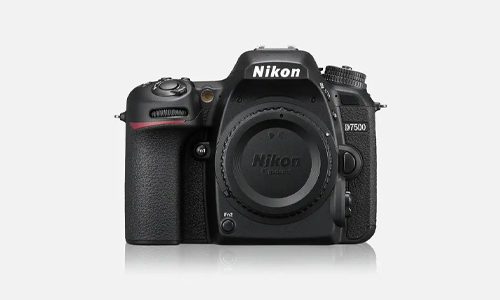
- Sensor: 20.9MP APS-C CMOS
- Video: 4K UHD
- ISO Range: 100–51,200
- Why it's great: Great value with professional-grade performance. Lighter than D500 but shares similar internals.
Canon EOS Rebel T8i / 850D (Best for Beginners)
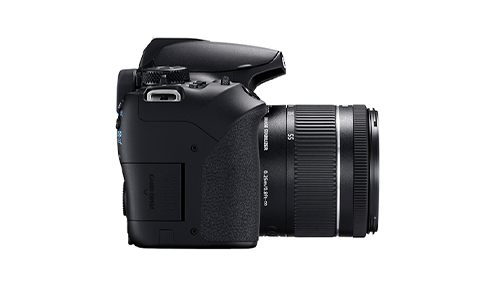
- Sensor: 24.1MP APS-C
- Video: 4K at 24 fps
- User Mode: Guided UI
- Why it's great: Beginner-friendly with touchscreen, Dual Pixel AF, and wireless sharing.
Nikon D5600 (Another Solid Beginner Option)
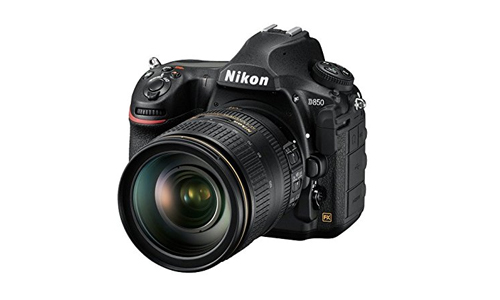
- Sensor: 24.2MP APS-C CMOS
- Battery Life: ~970 shots
- Why it's great: Lightweight, excellent image quality, articulating screen, SnapBridge for easy sharing.
Canon EOS 5D Mark IV (For Professionals)
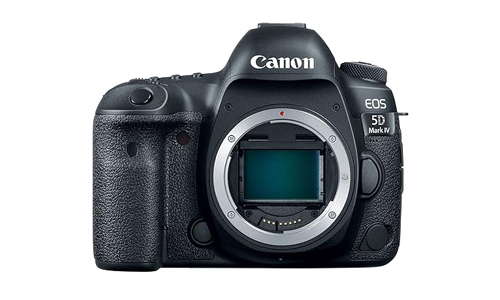
- Sensor: 30.4MP Full-frame CMOS
- Video: 4K with 8.8MP still grab
- Weather-sealed Body: Yes
- Why it's great: Ideal for wedding, fashion, and commercial photographers who demand high detail and reliability.
Nikon D850 (Full-frame Powerhouse)
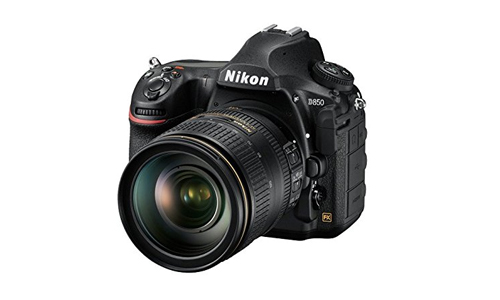
- Sensor: 45.7MP Full-frame
- Dynamic Range: Excellent
- Why it's great: Delivers incredible resolution and low-light performance. Perfect for landscape, studio, and macro work.
3. Must-Have Lenses for DSLR Photographers
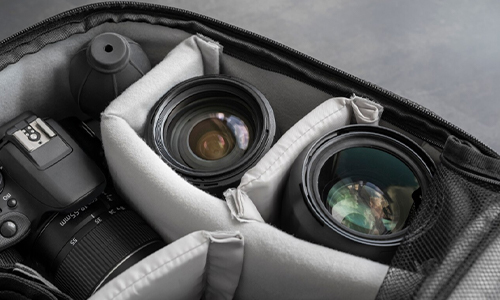
A DSLR is only as good as the lens you use. Here are essential lens types:
| Lens Type |
Use Case |
Example |
| 50mm f/1.8 |
Portraits, Low light |
Canon/Nikon 50mm f/1.8 STM |
| 70–200mm Telephoto |
Sports, Wildlife |
Canon EF 70–200mm f/2.8L IS III |
| Wide-Angle 10–18mm |
Landscapes, Architecture |
Canon EF-S 10–18mm, Tokina 11–16mm |
| Macro 100mm |
Close-up product shots |
Canon EF 100mm f/2.8L Macro IS USM |
4. DSLR vs Mirrorless: Which One to Choose?
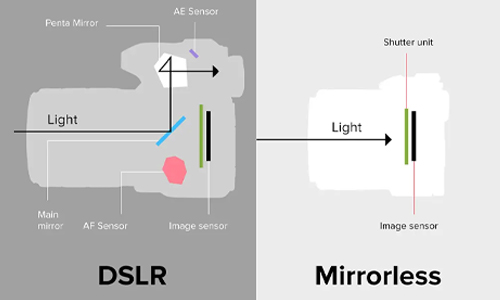
While mirrorless cameras are gaining popularity, DSLR cameras for photographer needs still have strong arguments in their favor:
| Feature |
DSLR |
Mirrorless |
| Battery Life |
Excellent (500+ shots) |
Moderate (300–400 shots) |
| Lens Availability |
Wide and affordable |
Growing but expensive |
| Viewfinder |
Optical (no lag) |
Electronic (some lag) |
| Ergonomics |
Larger, comfortable grip |
Compact, lighter build |
5. Tips Before Buying Your DSLR Camera
When purchasing a DSLR camera, consider:
- Sensor Size: Full-frame offers better depth and low-light; APS-C is cost-effective.
- Autofocus Points: More points enable better subject tracking.
- Video Capabilities: 4K is becoming standard.
- Connectivity: Look for Wi-Fi, Bluetooth for remote control and transfers.
- Weight and Build: Important for travel and outdoor use.
FAQs: DSLR Cameras for Photographer
Q1: Is it still worth buying a DSLR in the mirrorless era?
Yes, especially for professionals and hobbyists who value long battery life, robust build quality, and lens options.
Q2: Which DSLR camera is best for portrait photography?
The Canon EOS 5D Mark IV and Nikon D850 are top picks for portraits due to their full-frame sensors and excellent color rendering.
Q3: What’s the best DSLR for travel photography?
The Canon EOS 90D and Nikon D7500 strike a balance between performance and portability.
Whether you're a beginner eager to learn the basics or a professional capturing life’s finest moments, there’s a DSLR that meets your needs.
If you’re serious about photography, investing in the right DSLR camera can help you grow your skills, build your portfolio, and enjoy the art like never before.



The Top 10 Hackers in the World and the Countries Behind Them
When the Virtual Becomes Real: How Cyberattacks Can Cause Physical Harm
The Future of Vision: Exploring the Potential of Augmented Reality Contact Lenses
Smart Home Ready: How Fiber Internet Powers the Modern Household