Yes, telehealth is convenient and accessible—but it also comes with real privacy and security risks you shouldn’t ignore. While it saves time and improves access to healthcare, your personal health data can be exposed if platforms aren’t secure. Let’s break it down in a simple, practical way. What Is Telehealth (In Simple Terms)? Telehealth makes healthcare more accessible, convenient, and affordable, but it also introduces privacy, security, and data protection concerns. Understanding both the benefits and risks helps patients use telehealth services safely and effectively. Telehealth means consulting doctors or accessing healthcare services online instead of visiting a clinic. It includes: Video consultations Health apps Remote monitoring devices Online prescriptions It became popular during the pandemic—but now, it’s part of everyday healthcare. Is Telehealth Safe? Telehealth can be safe when healthcare providers use secure, encrypted platforms and follow healthcare privacy...
Yes, telehealth is convenient and accessible—but it also comes with real privacy and security risks you shouldn’t ignore. While it saves time and improves access to healthcare, your personal health data can be exposed if platforms aren’t secure.
Let’s break it down in a simple, practical way.
What Is Telehealth (In Simple Terms)?
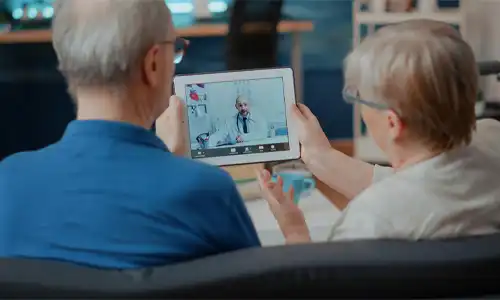
Telehealth makes healthcare more accessible, convenient, and affordable, but it also introduces privacy, security, and data protection concerns. Understanding both the benefits and risks helps patients use telehealth services safely and effectively.
Telehealth means consulting doctors or accessing healthcare services online instead of visiting a clinic.
It includes:
- Video consultations
- Health apps
- Remote monitoring devices
- Online prescriptions
It became popular during the pandemic—but now, it’s part of everyday healthcare.
Is Telehealth Safe?
Telehealth can be safe when healthcare providers use secure, encrypted platforms and follow healthcare privacy regulations. Patients should also use secure internet connections, strong passwords, and trusted healthcare applications to reduce risks.
Pros of Telehealth
Let’s start with why people love it.
1. Convenience Like Never Before
No travel, no waiting rooms.
You can consult a doctor from:
- Your home
- Your office
- Even while traveling
2. Better Access to Specialists
Telehealth connects you to doctors outside your city or even country.
This is especially helpful for:
3. Saves Time and Money
You save on:
- Travel costs
- Waiting time
- Missed work hours
4. Easier Follow-Ups
For regular checkups, telehealth makes things simple and quick.
Cons of Telehealth (Where It Gets Serious)

Now let’s talk about what most people overlook—privacy and security risks.
1. Your Health Data Is Online
When you use telehealth, your personal information is stored digitally:
- Medical history
- Prescriptions
- Test reports
If the platform isn’t secure, this data can be exposed.
This is one of the biggest concerns behind the pros and cons of telehealth.
2. Risk of Data Breaches
Healthcare data is extremely valuable.
Hackers target telehealth platforms because:
A weak system can lead to:
- Identity theft
- Data leaks
3. Unsecured Networks Can Be Risky
If you attend a consultation on public Wi-Fi:
Even something as simple as using café Wi-Fi can create risks.
4. Apps May Collect More Data Than Needed
Some telehealth apps collect:
- Location data
- Device information
- Usage patterns
Not all of this is necessary for healthcare—but it still gets stored.
5. Lack of Strong Regulations Everywhere
Not all platforms follow strict data protection rules.
Depending on the region:
- Privacy laws may be weak
- Data handling may not be transparent
This increases the risk for users.
6. Misdiagnosis Due to Limited Interaction
While not directly a security issue, it’s still important.
Without physical examination:
- Some conditions may be missed
- The diagnosis may not be accurate
Real-Life Situations You Should Think About
Imagine this:
- You share sensitive health details during a video call
- The platform stores it without strong encryption
- A breach exposes that information
This is why privacy matters just as much as convenience.
| Pros of Telehealth |
Cons of Telehealth |
| Convenient access to doctors |
Risk of data breaches |
| Saves travel time |
Privacy concerns |
| Easier follow-ups |
Dependence on internet connectivity |
| Better specialist access |
Possible misdiagnosis in some cases |
| Lower costs |
Data collection by apps |
How to Stay Safe While Using Telehealth
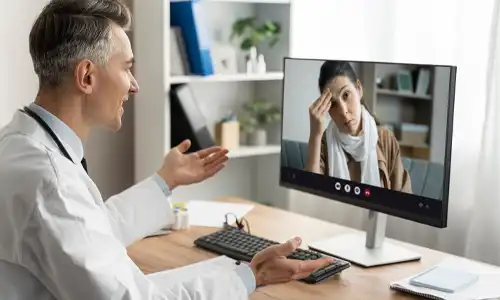
You don’t need to avoid telehealth—you just need to use it wisely.
Use Trusted Platforms
Always choose well-known and secure apps.
Avoid Public Wi-Fi
Use your personal mobile data or secure home network.
Check Permissions
If an app asks for unnecessary access, deny it.
Keep Apps Updated
Updates often fix security vulnerabilities.
Use Strong Passwords
Simple but effective.
So, Should You Use Telehealth?
Yes—but with awareness.
The pros and cons of telehealth clearly show that while it offers unmatched convenience, it also demands responsibility from users.
Telehealth is here to stay. It’s fast, efficient, and often necessary. But as healthcare moves online, your data becomes part of the system. And protecting that data is just as important as taking care of your health.
Use telehealth—but use it smartly.
Want more simple, real-world tech insights like this? Subscribe to our daily newsletter and stay informed—without the confusion.
Frequently Asked Questions
What are the main benefits of telehealth?
Telehealth provides convenient access to healthcare, reduces travel time, lowers costs, and makes follow-up appointments easier.
What are the biggest risks of telehealth?
The biggest concerns include data breaches, privacy risks, unsecured internet connections, and possible limitations in diagnosis without physical examinations.
Is telehealth safe to use?
Yes, telehealth can be safe when using trusted healthcare providers, secure platforms, and protected internet connections.
Can telehealth replace in-person doctor visits?
Not always. While telehealth works well for consultations and follow-ups, some conditions require physical examinations and in-person testing.



AI in Logistics: How It’s Changing Everything
GB vs MB vs KB: What’s the Real Difference?
Best Password Managers We Tested And Recommend
Samsung SmartThings: Automate Your Home Easily