Diagnosing rare diseases has long been one of medicine’s toughest puzzles. Patients often spend years visiting multiple specialists before receiving a correct diagnosis. Now, a new AI system diagnosing rare diseases may dramatically shorten that journey. Researchers recently developed an advanced AI platform called DeepRare, designed to analyze complex medical data and identify uncommon conditions. In a head-to-head comparison with experienced physicians, the AI system actually performed better at identifying rare diseases. The results highlight how artificial intelligence could soon become a powerful assistant in modern healthcare. How the AI System Works DeepRare is not a simple chatbot or diagnostic tool. It is an agent-based AI system that integrates more than 40 specialized tools to analyze patient symptoms, genetic data, and medical records simultaneously. By processing large volumes of medical information, the system can detect patterns that human doctors may...
Diagnosing rare diseases has long been one of medicine’s toughest puzzles. Patients often spend years visiting multiple specialists before receiving a correct diagnosis. Now, a new AI system diagnosing rare diseases may dramatically shorten that journey.
Researchers recently developed an advanced AI platform called DeepRare, designed to analyze complex medical data and identify uncommon conditions. In a head-to-head comparison with experienced physicians, the AI system actually performed better at identifying rare diseases.
The results highlight how artificial intelligence could soon become a powerful assistant in modern healthcare.
How the AI System Works

DeepRare is not a simple chatbot or diagnostic tool. It is an agent-based AI system that integrates more than 40 specialized tools to analyze patient symptoms, genetic data, and medical records simultaneously.
By processing large volumes of medical information, the system can detect patterns that human doctors may overlook, especially when dealing with extremely rare conditions.
The AI essentially replicates how doctors reason through a diagnosis but does so at machine speed, scanning thousands of potential disease combinations in seconds.
AI vs Doctors: The Results
In the clinical test, five experienced physicians with over a decade of practice competed against the AI system.
The findings were striking:
- AI accuracy on first diagnosis: 64.4%
- Doctors’ accuracy: 54.6%
- AI accuracy with three suggestions: 79%
- Doctors with three suggestions: 66%
While doctors still bring clinical judgment and patient interaction into the process, the AI proved more efficient at narrowing down rare disease possibilities.
Why Rare Disease Diagnosis Is So Difficult
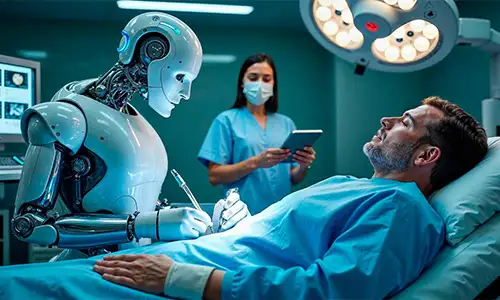
Rare diseases collectively affect around 300 million people worldwide, yet individual conditions are so uncommon that many doctors may encounter them only a few times in their careers.
Because symptoms often overlap with common illnesses, patients can spend five years or more searching for a correct diagnosis.
AI systems can analyze huge medical databases and genomic information, helping identify the “needle in the haystack” much faster.
The Future of AI in Healthcare
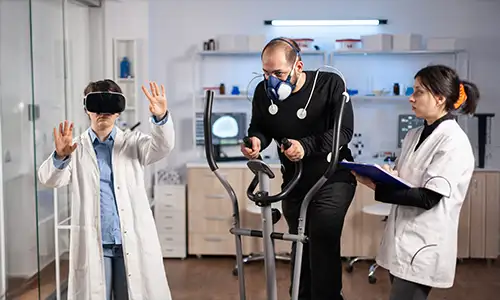
Despite its impressive performance, experts emphasize that AI is not replacing doctors anytime soon. Instead, systems like DeepRare are designed to support clinicians, helping them reach diagnoses faster and with greater accuracy.
For patients with rare conditions, that could mean fewer misdiagnoses, fewer unnecessary tests, and earlier treatment.
If the technology continues to evolve, the AI system diagnosing rare diseases may soon become an essential tool in hospitals, turning years of uncertainty into answers delivered in days.




Solana’s Worth in Future: What Could 1 SOL Be Worth?
How to Wake Up the System From Sleep Mode on Any Computer
The Mokacam 4K Sports and Action Camera: Tiny but Powerful
How to Choose the Best Document Scanner for Your Needs