A data breach is every digital user’s nightmare — one moment your information feels safe, and the next, your email, passwords, or even financial details may be exposed. Whether the breach hits a major company you use or your own device, knowing what to do after a data breach is crucial. Acting quickly can prevent identity theft, account hijacking, and long-term financial damage. Here’s your clear recovery roadmap. 1. Confirm What Information Was Exposed Before doing anything else, find out exactly what type of data was compromised. Was it your email? Passwords? Credit card info? Medical data? Understanding the exposure helps you take the right actions instead of panicking. 2. Change Passwords Immediately Update passwords for your email, banking apps, cloud storage, and any account tied to the breached platform. Create strong, unique passwords and avoid reusing old ones —...
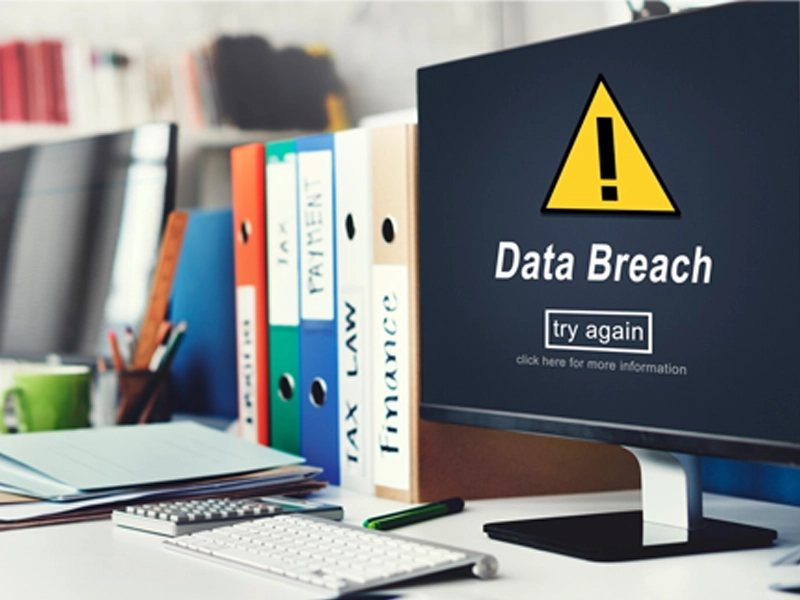
A data breach is every digital user’s nightmare — one moment your information feels safe, and the next, your email, passwords, or even financial details may be exposed. Whether the breach hits a major company you use or your own device, knowing what to do after a data breach is crucial. Acting quickly can prevent identity theft, account hijacking, and long-term financial damage.
Here’s your clear recovery roadmap.
1. Confirm What Information Was Exposed
Before doing anything else, find out exactly what type of data was compromised.
Was it your email? Passwords? Credit card info? Medical data? Understanding the exposure helps you take the right actions instead of panicking.
2. Change Passwords Immediately
Update passwords for your email, banking apps, cloud storage, and any account tied to the breached platform. Create strong, unique passwords and avoid reusing old ones — this is how most account takeovers happen.
3. Enable Two-Factor Authentication (2FA)
2FA adds an extra barrier by requiring a one-time code. Even if hackers have your password, they can't access your accounts without this second layer. Use authenticator apps rather than SMS when possible.
4. Monitor Your Financial Activity
Keep a close eye on your bank statements, credit card charges, and digital wallet logs.
Report suspicious transactions immediately. You can also place a fraud alert with your credit bureau.
5. Scan Your Devices for Malware
If a breach originated from your device, run a full antivirus and anti-malware scan. Remove any suspicious apps, browser extensions, or unknown software.
6. Secure Your Email — It’s the Key to Everything
Your email is the gateway to password resets and identity information. If your email was breached, change the password first and review login activity for unauthorized sessions.
7. Freeze Your Credit (Optional but Smart)
A credit freeze prevents attackers from opening new accounts in your name. It’s free, reversible, and one of the strongest protections against identity theft.
8. Stay Alert for Phishing Attempts
After a breach, scammers often target victims with fake emails pretending to be banks, service providers, or “security teams.” Never click suspicious links or share personal information without verification.
FAQ
1. What is the first thing to do after a data breach?
Change your passwords immediately, especially for email, banking, and accounts linked to the breached service.
2. How do I know if my information was stolen?
You’ll receive a breach notification, or you can check monitoring tools like “Have I Been Pwned” to confirm exposure.
3. Should I freeze my credit after a data breach?
Yes, if financial details were leaked. A credit freeze blocks attackers from opening accounts in your name.
4. Can hackers access my bank account after a breach?
They can only access it if your login or card details were exposed. Monitor your statements and enable 2FA to stay safe.
5. Do I need to delete my account after a breach?
Not always. Most accounts can be secured by changing passwords, reviewing activity, and enabling 2FA.


Solana’s Worth in Future: What Could 1 SOL Be Worth?
How to Wake Up the System From Sleep Mode on Any Computer
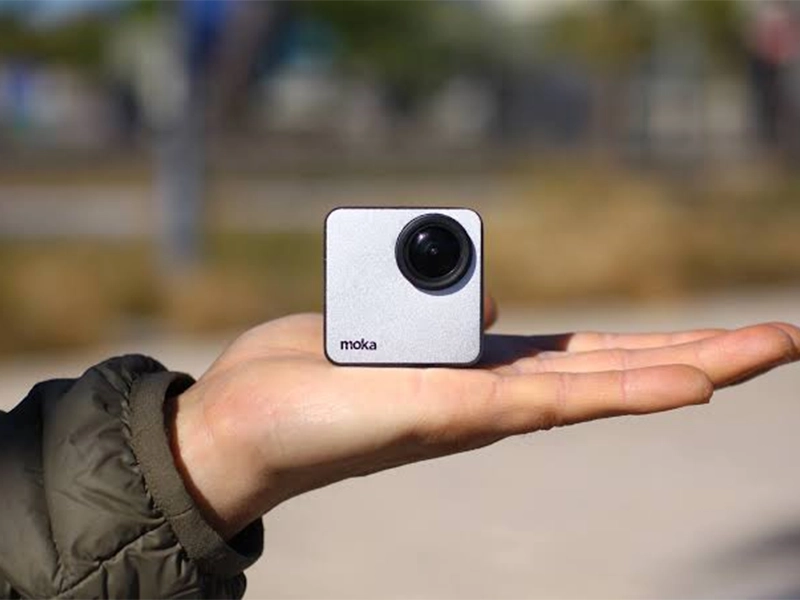
The Mokacam 4K Sports and Action Camera: Tiny but Powerful
How to Choose the Best Document Scanner for Your Needs