Few things test patience like a buffering wheel spinning with theatrical confidence. When pages lag and videos stutter, the instinct is to blame the provider. But slow internet is rarely a single villain. It is usually a lineup of small culprits working together behind the scenes. Understanding why my internet is slow is less about guesswork and more about tracing where the slowdown enters your digital pipeline. First, Check If It’s Actually Slow Before diving into fixes, confirm the problem. Run a quick speed test and compare: Your actual speed The speed promised in your plan If they match but still feel sluggish, the issue likely lives inside your home network rather than with your provider. The Most Common Reasons Your Internet Feels Slow 1. Too Many Devices, Not Enough Bandwidth Modern homes are packed with connected gadgets. Phones, TVs,...
Few things test patience like a buffering wheel spinning with theatrical confidence. When pages lag and videos stutter, the instinct is to blame the provider. But slow internet is rarely a single villain. It is usually a lineup of small culprits working together behind the scenes. Understanding why my internet is slow is less about guesswork and more about tracing where the slowdown enters your digital pipeline.
First, Check If It’s Actually Slow
Before diving into fixes, confirm the problem.
Run a quick speed test and compare:
- Your actual speed
- The speed promised in your plan
If they match but still feel sluggish, the issue likely lives inside your home network rather than with your provider.
The Most Common Reasons Your Internet Feels Slow
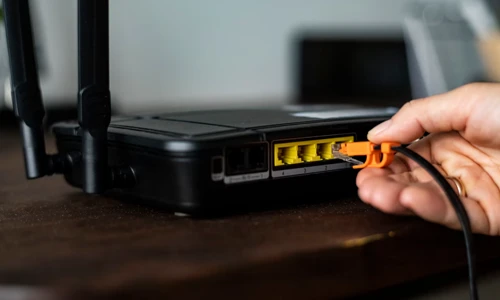
1. Too Many Devices, Not Enough Bandwidth
Modern homes are packed with connected gadgets. Phones, TVs, laptops, smart speakers, and even doorbells compete for the same bandwidth. When several devices stream or download simultaneously, the connection spreads thin like butter over too much toast.
Quick fix:
Pause heavy downloads or limit streaming quality during peak use.
2. Your Wi-Fi Signal Is Losing The Battle
Walls, furniture, and distance weaken Wi-Fi signals. The farther you are from the router, the more your speed quietly fades.
Quick fix:
Place your router in a central, elevated spot away from thick walls and metal objects.
3. Your Router Is Past Its Prime
Routers age like forgotten smartphones. Older models struggle with modern speeds and multiple devices.
Quick fix:
If your router is 4 to 5 years old, upgrading can deliver an immediate performance boost.
4. Background Apps Are Hogging Data
Software updates, cloud backups, and hidden apps can consume bandwidth without obvious signs.
Quick fix:
Check background processes and pause large updates when you need speed.
5. Peak Hour Congestion
Even with fast plans, speeds can dip in the evening when many people in your area are online.
Quick fix:
Schedule large downloads late at night or early morning when networks are quieter.
6. Browser And Device Clutter
Too many tabs, extensions, or cached files can slow browsing even when your internet is fine.
Quick fix:
Clear cache, close unused tabs, and disable unnecessary extensions.
Quick Troubleshooting Checklist

When speed suddenly drops, run through this rapid reset ritual:
- Restart your router and modem
- Move closer to the router
- Disconnect unused devices
- Run a speed test again
- Try a wired connection to compare
If speeds improve with Ethernet, your Wi-Fi setup is the likely bottleneck.
When The Problem Is Your Internet Plan
Sometimes the connection is not slow. It is simply undersized for your needs.
If your household regularly:
- Streams in 4K
- Plays online games
- Attends video meetings
- Uses smart home devices
You may need a higher bandwidth plan to keep everything running smoothly.
Smart Upgrades That Make A Big Difference

Mesh Wi-Fi Systems
Perfect for larger homes, they spread consistent coverage across rooms.
Dual-Band Or Tri-Band Routers
They reduce congestion by distributing devices across multiple frequencies.
Wired Connections For Key Devices

Gaming consoles and work PCs benefit from stable Ethernet connections.
Internet performance is improving rapidly thanks to fiber expansion, smarter routers, and AI-driven network optimization. In the near future, networks will automatically prioritize traffic based on what you are doing, reducing lag without manual tweaks.
Slow internet is rarely random. It is usually a mix of signal strength, device load, hardware limits, and network congestion. Once you identify which piece is holding things back, the fix is often surprisingly simple.
Think of your connection like a highway. When traffic flows, everything feels effortless. When it clogs, even short trips feel endless. A few smart adjustments can clear the lanes and bring back the speed you expected all along.




Can a Smart Home Work Without Internet? Explained
Solana’s Worth in Future: What Could 1 SOL Be Worth?
How to Wake Up the System From Sleep Mode on Any Computer
The Mokacam 4K Sports and Action Camera: Tiny but Powerful