Smart homes promise convenience at the tap of a screen or a simple voice command. From smart locks and cameras to voice assistants and connected lights, homes are becoming more intelligent every year. But this growing convenience also raises an important concern: smart home hacking. As more devices connect to the internet, hackers gain new entry points. Understanding how smart home hacking works is the first step toward protecting your digital and physical space. What Is Smart Home Hacking? Smart home hacking happens when attackers gain unauthorized access to connected devices inside a home. This could mean spying through security cameras, unlocking smart doors, manipulating thermostats, or accessing personal data through voice assistants. In many cases, hackers don’t target homes directly. Instead, they exploit weak passwords, outdated software, or unsecured networks. Common Ways Hackers Break Into Smart Homes Weak or...
Smart homes promise convenience at the tap of a screen or a simple voice command. From smart locks and cameras to voice assistants and connected lights, homes are becoming more intelligent every year. But this growing convenience also raises an important concern: smart home hacking.
As more devices connect to the internet, hackers gain new entry points. Understanding how smart home hacking works is the first step toward protecting your digital and physical space.
What Is Smart Home Hacking?

Smart home hacking happens when attackers gain unauthorized access to connected devices inside a home. This could mean spying through security cameras, unlocking smart doors, manipulating thermostats, or accessing personal data through voice assistants.
In many cases, hackers don’t target homes directly. Instead, they exploit weak passwords, outdated software, or unsecured networks.
Common Ways Hackers Break Into Smart Homes
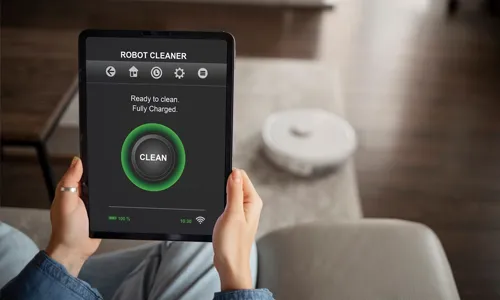
Weak or Default Passwords
Many users never change the default passwords on smart devices. Hackers often scan the internet for these easily guessable credentials.
Unsecured Wi-Fi Networks
A poorly secured home Wi-Fi network acts like an open door. Once hackers access the network, they can move between connected devices.
Outdated Firmware
Smart devices need regular updates. Skipping firmware updates leaves known vulnerabilities open for exploitation.
Third-Party App Risks
Some smart home devices rely on third-party apps or integrations. If those apps lack strong security, they become weak links.
Why Smart Home Hacking Is a Serious Issue
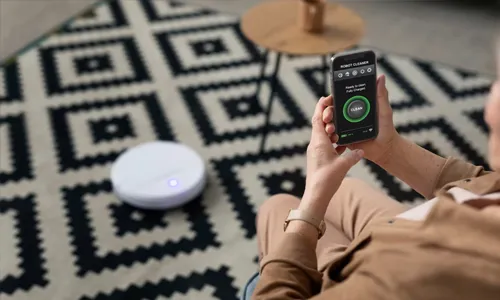
Smart home hacking isn’t just about stolen data. It can cross into real-world consequences.
- Privacy invasion through cameras and microphones
- Physical security risks from hacked locks or alarms
- Personal data exposure from connected accounts
How to Protect Your Home From Smart Home Hacking
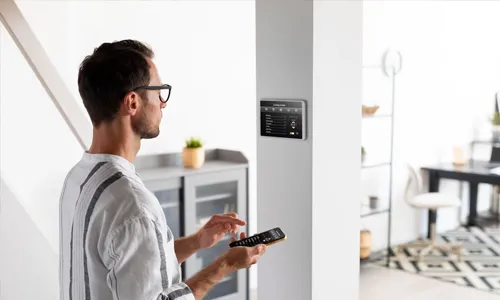
You don’t need to be a cybersecurity expert to stay safe. Simple steps make a big difference.
- Use strong, unique passwords for every device
- Enable two-factor authentication where available
- Secure your Wi-Fi network with encryption
- Keep all devices updated
- Buy devices from trusted manufacturers
The Future of Smart Home Security

Manufacturers are improving encryption, adding automatic updates, and building better privacy controls. Still, security remains a shared responsibility. As homes get smarter, homeowners must stay informed and proactive.
Smart homes should feel empowering, not risky.
Smart home highlights the hidden cost of convenience in a connected world. While smart devices bring comfort and efficiency, they also demand smarter security habits. By understanding the risks and taking simple precautions, you can enjoy the benefits of smart living without inviting unwanted digital guests into your home.



Solana’s Worth in Future: What Could 1 SOL Be Worth?
How to Wake Up the System From Sleep Mode on Any Computer
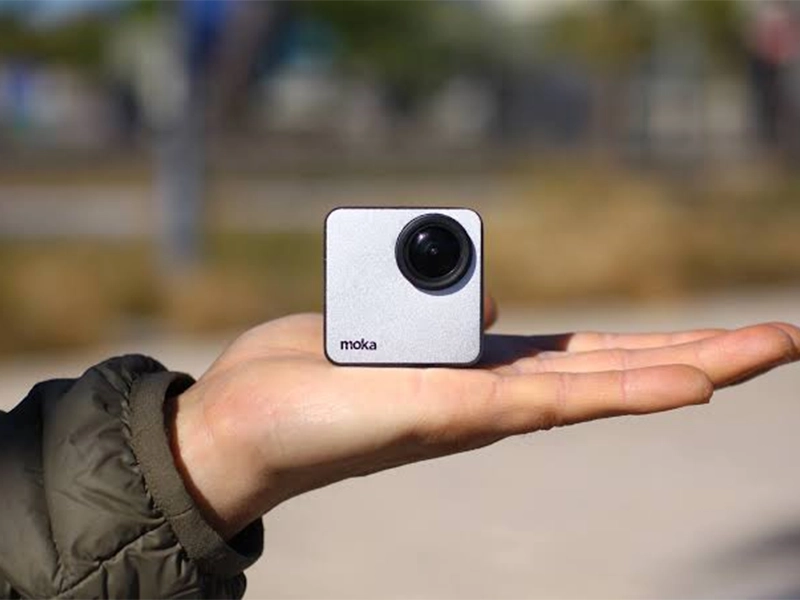
The Mokacam 4K Sports and Action Camera: Tiny but Powerful
How to Choose the Best Document Scanner for Your Needs