Smart homes are no longer a sci-fi concept. From video doorbells and smart thermostats to 4K/8K streaming, cloud security cameras, and voice assistants—today’s connected residences demand reliable, high-bandwidth, low-latency internet. That’s where fiber internet powers the modern household. In this post, we’ll deep dive into what fiber brings to the table, real-world benefits, considerations before you upgrade, and how to get the most out of it. Key Takeaways ✅ Fiber offers faster upload and download speeds ✅ Supports multiple smart devices simultaneously ✅ Improves security camera and video doorbell performance ✅ Reduces latency for gaming and remote work ✅ Provides future-ready connectivity for expanding smart homes What Is Fiber Internet & Why It’s Different Fiber Internet vs Cable vs DSL Feature Fiber Cable DSL Download Speed Excellent Good Limited Upload Speed Excellent Moderate Low Latency Very Low Moderate Higher Smart...
Smart homes are no longer a sci-fi concept. From video doorbells and smart thermostats to 4K/8K streaming, cloud security cameras, and voice assistants—today’s connected residences demand reliable, high-bandwidth, low-latency internet. That’s where fiber internet powers the modern household. In this post, we’ll deep dive into what fiber brings to the table, real-world benefits, considerations before you upgrade, and how to get the most out of it.
Key Takeaways
✅ Fiber offers faster upload and download speeds
✅ Supports multiple smart devices simultaneously
✅ Improves security camera and video doorbell performance
✅ Reduces latency for gaming and remote work
✅ Provides future-ready connectivity for expanding smart homes
What Is Fiber Internet & Why It’s Different
Fiber Internet vs Cable vs DSL
| Feature |
Fiber |
Cable |
DSL |
| Download Speed |
Excellent |
Good |
Limited |
| Upload Speed |
Excellent |
Moderate |
Low |
| Latency |
Very Low |
Moderate |
Higher |
| Smart Home Performance |
Excellent |
Good |
Basic |
| Future Scalability |
Excellent |
Moderate |
Limited |
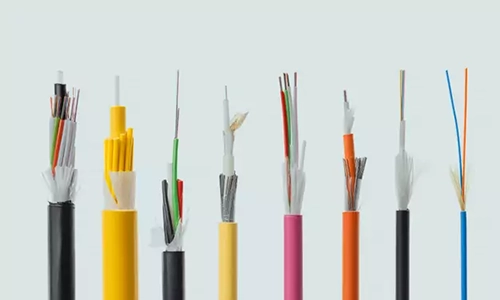
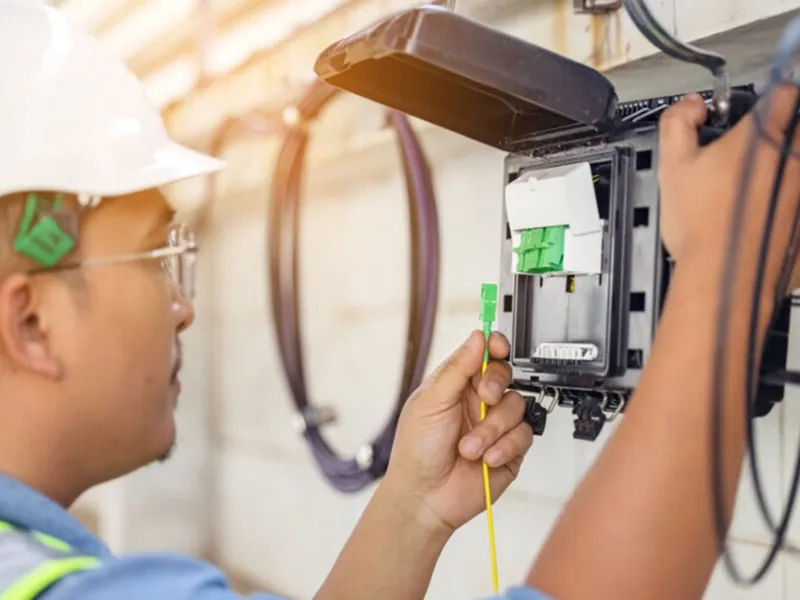
- Fiber-optic vs copper/wire/DSL: Traditional broadband uses copper wiring, cable coax, or wireless links that degrade over distance, suffer from electrical interference, and often have asymmetric upload/download speeds. Fiber-optic internet transmits data via light pulses through glass or plastic fiber cables, making speeds much faster, more stable, and less sensitive to distance.
- Symmetrical Speeds: One of fiber’s biggest advantages is upload speed parity with download. This is critical for many smart-home functions like cloud backups, security camera uploads, remote work, video calls, multiplayer gaming, etc.
Top Benefits of Fiber Internet for Smart Homes
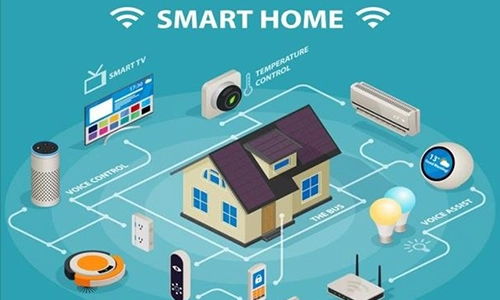
Here are the main ways fiber internet improves your connected home experience:
Reliable Streaming & Multi-Device Use
When multiple family members stream HD or 4K content in different rooms, connect gaming consoles, tablets, smart TVs all at once — fiber handles all that without buffering or lag. Hulu, Netflix, Disney+, Twitch—all pull data continuously; with fiber, you can stream on several devices simultaneously and maintain high quality.
Real-Time Smart Home Automation
Smart thermostats, lighting, voice assistants like Alexa or Google Assistant, security systems — these all depend on a fast and low-latency connection. Fiber ensures commands are responded to instantly, schedules execute without delay, and interaction feels seamless.
Enhanced Security Monitoring
Security cameras, doorbell cams, alarm systems constantly upload video or image data. Good upload speeds (as provided by fiber) ensure no drop in resolution, that live feeds or cloud backups happen smoothly, and alerts come through without delay. No more getting blurred or delayed video when you try to check your phone remotely.
Better Remote Work & Learning Support
With video conferencing, large file uploads/downloads, cloud-collaboration tools (e.g., Google Docs, Zoom/Teams, file servers), fiber reduces lag, improves clarity, and ensures connections are stable even during peak usage times. Ideal for households where more than one person works or studies from home.
Future-Proofing & Tech Flexibility
As more devices join your home network (IoT sensors, smart appliances, VR/AR equipment, etc.), demand for bandwidth will only rise. Fiber gives you room to grow. Also, new tech like smart-kitchens, cloud gaming, health-monitoring wearables, and even AI-driven tasks benefit. Fiber helps avoid the need for frequent internet upgrades.
How Many Smart Devices Can Fiber Internet Handle?
A modern smart home may have 20 to 50 connected devices running simultaneously, including smart TVs, security cameras, smart speakers, lighting systems, gaming consoles, laptops, and smartphones. Fiber internet is designed to handle high device density without significant slowdowns, making it ideal for households that continue adding connected technology over time.
Things to Consider Before Switching to Fiber

Common Smart Home Problems Caused by Slow Internet
Even the best smart devices can struggle when internet connectivity is weak or inconsistent. Common issues include:
- Delayed security camera notifications
- Smart doorbells disconnecting
- Buffering during 4K streaming
- Voice assistants responding slowly
- Smart lighting and automation delays
- Lag during video conferencing and online gaming
Fiber internet minimizes these issues through higher bandwidth and lower latency.
While fiber has many benefits, there are some practical points to plan for:
- Availability: Fiber isn’t yet everywhere. Check whether your ISP offers fiber in your area, what the install costs are, etc. For rural or older neighborhoods, getting fiber laid may take extra effort or wait time.
- Router / Network Setup: Even with fiber to home (FTTH), the performance inside your house depends on your Wi-Fi setup. Old routers, poor placement, thick walls, or interference can degrade experience. Mesh Wi-Fi, good access points, wired connections help.
- Cost vs Plan Choosing: Speeds vary; you don’t need the top declared speed always if your household usage is moderate. Find a plan that suits your device count and usage rather than just paying for headline gigabit numbers. Also consider upload speed especially if you upload content regularly.
- WiFi Backup / Latency: Fiber lowers latency massively, but if your last mile is wireless (WiFi), lag can still creep in. Wired Ethernet connections for critical devices (gaming, streaming, security cameras) are more reliable.
- ISP Quality & Reliability: A fiber line’s theoretical speed is great, but if the ISP has congestion, poor infrastructure beyond fiber, or poor customer support, the experience suffers. Look at reliability metrics and user reviews in your area.
How to Get the Most Out of Fiber in Your Smart Home
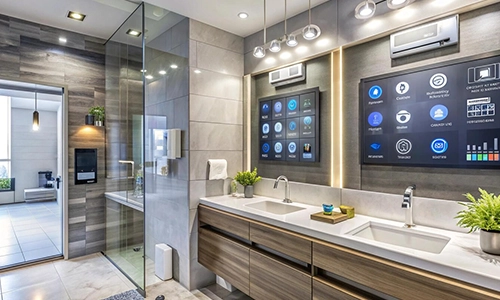
Here are practical steps to maximize your fiber-powered smart home:
- Use a mesh Wi-Fi system to cover large houses/floors with good signal.
- Place the Optical Network Terminal (ONT) or router in a central location of the home.
- Choose devices that support gigabit speeds (if available), especially for wired connections (e.g., smart hubs, streaming boxes).
- Keep firmware updated—on routers, smart devices, cameras—to fix latency, security issues.
- Prioritize upload speeds if you depend heavily on cloud storage or remote monitoring.
Best Smart Home Devices That Benefit Most From Fiber Internet
Some devices see immediate improvements when connected to a fiber-powered network:
- Smart security cameras
- Video doorbells
- Smart TVs
- Cloud gaming devices
- Smart home hubs
- Voice assistants
- Network attached storage (NAS)
- Home office setups
These devices depend heavily on fast uploads, low latency, and stable connectivity.
Frequently Asked Question's
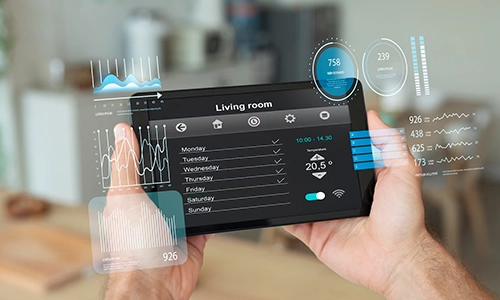
Does fiber internet improve smart security camera performance?
Yes. Fiber's higher upload speeds allow cameras to stream and upload footage more reliably while reducing delays when viewing live feeds remotely.
Can fiber internet reduce buffering when multiple devices are connected?
Yes. Fiber can handle many simultaneous connections more effectively than traditional broadband, making it ideal for households with multiple users streaming, gaming, or working online.
Is fiber internet worth it for a smart home?
For homes with multiple connected devices, security systems, streaming services, and remote work requirements, fiber internet is often one of the most valuable technology upgrades available.
Is fiber internet always better than cable or DSL for smart homes?
Usually, yes—especially for upload speed, latency, and handling many simultaneous devices. But if your usage is light (one or two people with light browsing/streaming), high-end cable might suffice temporarily.
Do all smart home features need fiber internet?
Not strictly, but many do better with fiber. For example, cloud backup, high-res security cameras, real-time remote control, VR/AR—all benefit greatly. Some features (like basic IoT sensors, lighting, etc.) work reasonably well even on slower broadband.
Will my streaming improve noticeably if I switch to fiber?
Yes, especially if you stream 4K or multiple streams at once. Fiber reduces buffering, improves consistent bit-rates, and supports more streams at high quality.
How much speed do I need for a “full” smart home?
It depends on number of devices. As a rough guide:
- 100-200 Mbps for homes with 5-10 devices doing streaming, video calls.
- 500 Mbps+ if you stream 4K/8K, have many devices, upload video, and play games, etc.
- Gigabit plans are “future-proof” if you want headroom.
If you’re building or upgrading a modern connected home, fiber internet powers the modern household in ways older technologies simply can’t match. It’s not just about speed: reliability, upload/download balance, low latency, and scaling with more devices are what make fiber the foundation your smart home deserves.
For most households, making the move to fiber is one of the best tech investments you can make—now and into the future.

Solana’s Worth in Future: What Could 1 SOL Be Worth?
How to Wake Up the System From Sleep Mode on Any Computer
The Mokacam 4K Sports and Action Camera: Tiny but Powerful
How to Choose the Best Document Scanner for Your Needs