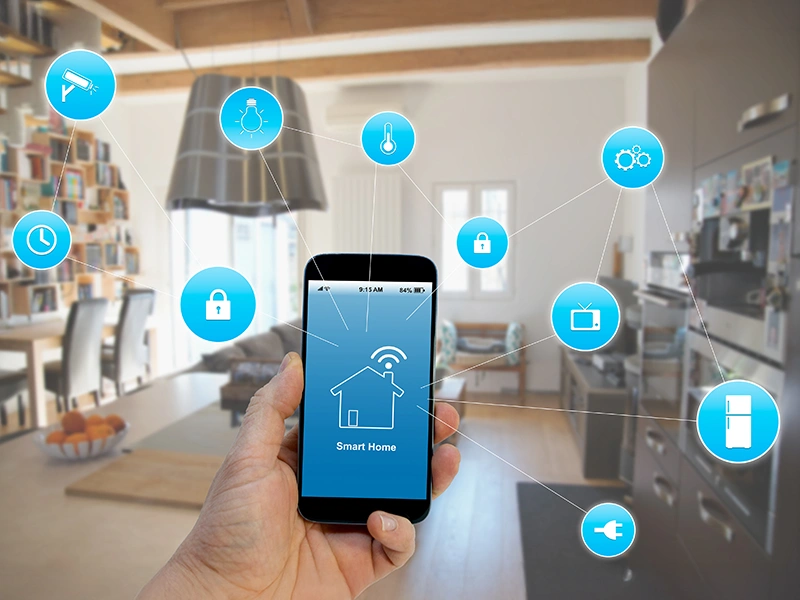
Smart devices have transitioned from futuristic novelties to everyday essentials in many homes. But just how widespread is this transformation? If you’ve ever wondered what percentage of homes have smart devices, this deep dive will give you clarity, context, and a glimpse into the future. The State of Smart Home Adoption in the U.S. According to Parks Associates, about 45% of U.S. internet households now own at least one smart home device. A more recent report from Horowitz Research puts the number slightly higher: 48% of American homes have at least one smart device. Among those households, a meaningful subset — 18% of U.S. internet homes — own six or more smart devices. These numbers suggest that smart tech has moved well beyond early adopters and is crossing into the mainstream. Why the Jump in Adoption? Several forces are fueling...
Smart devices have transitioned from futuristic novelties to everyday essentials in many homes. But just how widespread is this transformation? If you’ve ever wondered what percentage of homes have smart devices, this deep dive will give you clarity, context, and a glimpse into the future.
The State of Smart Home Adoption in the U.S.
- According to Parks Associates, about 45% of U.S. internet households now own at least one smart home device.
- A more recent report from Horowitz Research puts the number slightly higher: 48% of American homes have at least one smart device.
- Among those households, a meaningful subset — 18% of U.S. internet homes — own six or more smart devices.
These numbers suggest that smart tech has moved well beyond early adopters and is crossing into the mainstream.
Why the Jump in Adoption?
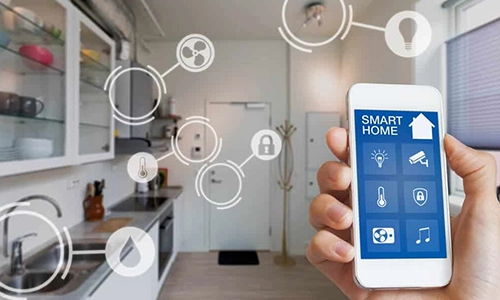
Several forces are fueling this growth:
Falling Costs & Better Hardware
Entry-level smart bulbs, plugs, locks, and cameras have become affordable. Even reliable battery life and better connectivity have improved.
Better Ecosystems & Interoperability
Platforms like Apple HomeKit, Google Home, Amazon Alexa, and the newer open standard Matter make setup and cross-device control easier.
Kids, Remote Work & Home Focus
The rise of remote work, online learning, and smart home security all push households to adopt smart devices for comfort, efficiency, or safety.
Incentives & Energy Efficiency
Many energy companies and utilities now offer rebates for smart thermostats, smart meters, or home automation that reduce peak electricity usage.
What People Actually Own: Most Common Devices
Among homes with smart tech, here’s a breakdown of what’s most common:
| Device Type |
Approx. Penetration |
Notes |
| Smart speakers / assistants |
73 % (of homes with smart devices) |
Voice control is often the entry point into smart homes |
| Security cameras / doorbells |
~50 % |
A big adoption driver due to perceived security benefits |
| Thermostats |
~43 % |
Energy savings is a strong use case |
| Smart lighting |
~34 % |
Many retrofit existing fixtures with smart bulbs or switches |
So, when you hear “smart home,” think voice assistants, security cams, energy systems — not just high-end gadgets.
The Motivational Upside: Why It Matters
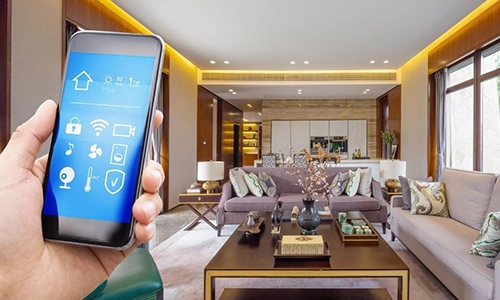
If adoption is nearly half the country, what does that mean for you or your readers?
- It’s now part of baseline consumer expectation. If a new device you launch doesn’t offer some smart or connected feature, it may feel outdated.
- The network effect only strengthens with scale. As neighbors, communities, and networks adopt these, integration becomes more valuable (e.g. shared sensors, smart grid data).
- Value adds to property. Buyers often value homes with existing smart tech installed; this could translate into higher resale value.
- Innovation opportunity is still huge. The other half of homes remain unconverted — new niches, ideas, ecosystems, and solutions can still capture growth.
Challenges & Obstacles to Full Penetration
- Digital divide & access. Rural areas, older homes, or low-income households may lack infrastructure, resources, or incentives to adopt.
- Privacy & security fears. Many consumers worry about data collection, device hacking, and surveillance risks.
- Fragmented ecosystems. Devices often struggle to “talk” to each other if they come from different manufacturers.
- Complex setup or maintenance. Some users get discouraged by glitches, firmware updates, or managing many apps.
What to Watch Next
- Growth in Matter protocol adoption (to unify device ecosystems)
- More consumer education around privacy, security, and control
- Incentives or policies for smart / energy-efficient homes
- Targeted penetration in demographics or regions underrepresented in adoption

Solana’s Worth in Future: What Could 1 SOL Be Worth?
How to Wake Up the System From Sleep Mode on Any Computer
The Mokacam 4K Sports and Action Camera: Tiny but Powerful
How to Choose the Best Document Scanner for Your Needs