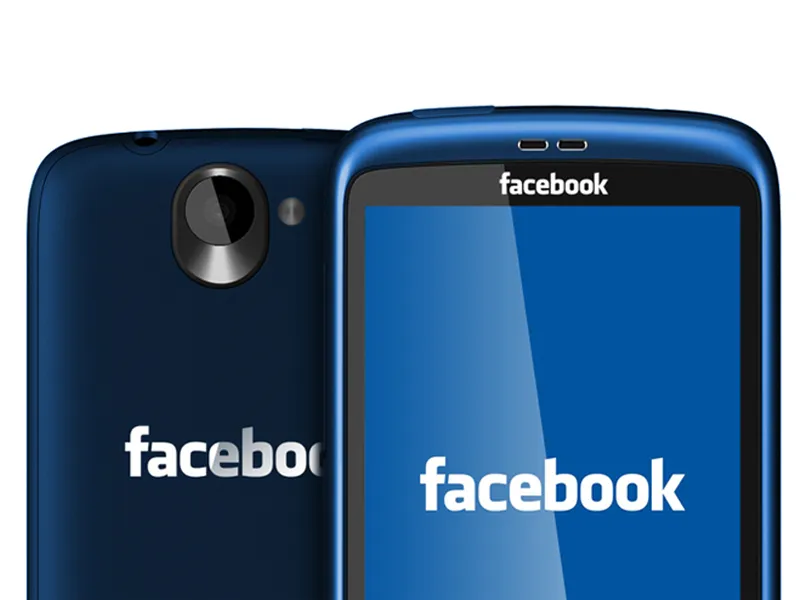
A few years back, the tech world buzzed with anticipation over The Facebook Phone — a smartphone that promised to bring the world’s largest social network deep into your pocket, your lock screen, and your everyday interactions. But despite the hype, it never took off. Today, this flop tells a valuable story about understanding user needs, platform expectations, and the limits of social-first hardware. Let’s explore why The Facebook Phone struggled — and what lessons it holds for product strategy today. What Was “The Facebook Phone”? It wasn’t a single model, but rather a set of efforts by Facebook (now Meta) to build a smartphone experience centered around its social ecosystem. The most visible example was the HTC First, launched with a custom Facebook Home interface that placed Facebook content front and center: News Feed and status updates on the...
A few years back, the tech world buzzed with anticipation over The Facebook Phone — a smartphone that promised to bring the world’s largest social network deep into your pocket, your lock screen, and your everyday interactions. But despite the hype, it never took off. Today, this flop tells a valuable story about understanding user needs, platform expectations, and the limits of social-first hardware.
Let’s explore why The Facebook Phone struggled — and what lessons it holds for product strategy today.
What Was “The Facebook Phone”?
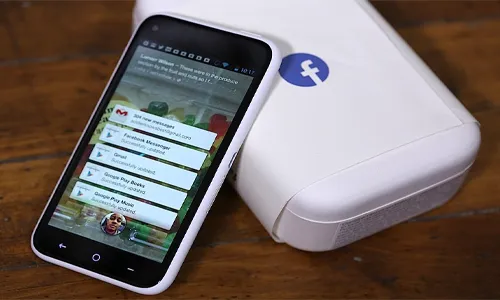
It wasn’t a single model, but rather a set of efforts by Facebook (now Meta) to build a smartphone experience centered around its social ecosystem. The most visible example was the HTC First, launched with a custom Facebook Home interface that placed Facebook content front and center:
- News Feed and status updates on the lock and home screens
- Chat Heads overlaying apps
- Deep integration with messages and notifications
The idea was simple on paper: make Facebook the center of your digital life in an age when social media was becoming indispensable.
Reason 1: People Didn’t Want Facebook Everywhere
Facebook believed users would love having constant, in-your-face access to their network. But most people didn’t want Facebook to dominate their entire smartphone experience.
Smartphones have become multi-functional:
- Work email
- Productivity apps
- Games and entertainment
- Messaging beyond Facebook
- Camera and media apps
The social feed was just one part of a much larger mobile life. Users didn’t want their lock screens and app layouts dictated by one platform — even one as big as Facebook.
Reason 2: Misreading Mobile Behavior
Facebook’s engineers assumed that seeing more social updates more often would be desirable. Instead, many users found the Facebook Home experience intrusive. Blocking the lock screen with a feed felt like noise rather than convenience.
In other words, Facebook tried to own the smartphone experience, but users simply wanted seamless access to their entire digital ecosystem, not social media in isolation.
Reason 3: Privacy and Trust Concerns
At the time, Facebook’s data practices were already under scrutiny. People were increasingly wary about how their information was used, shared, or monetized. A device built around Facebook raised red flags for some users, who feared:
- Deep data tracking
- Aggressive personalization
- Blurred boundaries between private apps and the social network
Trust matters — and for some buyers, a Facebook-centric device didn’t inspire it.
Reason 4: Platforms Already Had Strong Momentum
By the time the phone debuted, Android and iOS had already established strong app ecosystems and highly refined user experiences. Apple offered tight integration with its services, and Android provided customization and breadth.
Competing with entrenched mobile platforms using a social-layer interface wasn’t enough to move the needle — especially without app exclusives or a unique hardware advantage.
Reason 5: Branding and Positioning Missteps
Marketing a phone that essentially looked like a regular smartphone except with Facebook everywhere confused consumers. It didn’t offer clear superiority in:
- Performance
- Camera quality
- Battery life
- Unique capabilities beyond the social feed
In an era of strong flagship devices from Samsung, Apple, and rising Android brands, the Facebook play felt like a software gimmick, not a compelling smartphone identity.
So Did Any Part of It Work?
While The Facebook Phone itself flopped, the concept wasn’t a total loss:
- Facebook learned a lot about mobile UX, which influenced later app designs
- Chat Heads and some UI elements survived in Messenger and other apps
- The experience highlighted how dominant platforms need organic fit, not forced placement
In tech, even failures inform future strategy. The flop of The Facebook Phone wasn’t just about a misunderstood product — it was a lesson in what users truly value in their devices: freedom to choose, ecosystem flexibility, and meaningful features that enhance life, not dominate it.


Can a Smart Home Work Without Internet? Explained
Solana’s Worth in Future: What Could 1 SOL Be Worth?
How to Wake Up the System From Sleep Mode on Any Computer
The Mokacam 4K Sports and Action Camera: Tiny but Powerful