For more than a century, automakers measured progress in horsepower, torque curves, and sheet-metal sculpture. Today, the industry’s heartbeat has shifted from pistons to processors. The conversation inside design studios and strategy meetings is no longer just about how a car moves, but how it thinks. From the perspective of manufacturers like Tesla, Toyota, and General Motors, autonomy is not simply a feature. It is a redefinition of what a vehicle is. A car is evolving into a rolling software platform, a data node, a mobility service, and a lifestyle space all at once. Exploring the pros and cons through this lens reveals a far richer story than consumer convenience alone. It is about economics, safety philosophy, infrastructure, regulation, and the existential question every automaker faces: what does “driving” mean in a driverless world? Why Automakers Are Betting Big On...
For more than a century, automakers measured progress in horsepower, torque curves, and sheet-metal sculpture. Today, the industry’s heartbeat has shifted from pistons to processors. The conversation inside design studios and strategy meetings is no longer just about how a car moves, but how it thinks.
From the perspective of manufacturers like Tesla, Toyota, and General Motors, autonomy is not simply a feature. It is a redefinition of what a vehicle is. A car is evolving into a rolling software platform, a data node, a mobility service, and a lifestyle space all at once.
Exploring the pros and cons through this lens reveals a far richer story than consumer convenience alone. It is about economics, safety philosophy, infrastructure, regulation, and the existential question every automaker faces: what does “driving” mean in a driverless world?
Why Automakers Are Betting Big On Autonomy

1. Safety As A Core Promise
Inside the industry, the strongest argument for autonomy is simple: fewer accidents. Human error accounts for the overwhelming majority of road incidents globally. For engineers, every sensor fusion breakthrough feels like shaving risk off the road itself.
Automakers see advanced driver assistance systems as stepping stones. Each lane-keeping update or collision-avoidance algorithm is part of a larger safety narrative that could redefine brand trust for decades.
2. A New Revenue Universe
Selling cars once meant a single transaction. Autonomy unlocks access to subscription features, software upgrades, and mobility services. Companies like Waymo have already demonstrated how vehicles can become revenue-generating platforms rather than static products.
For legacy manufacturers, this shift is not optional. It is survival economics in a world where hardware margins shrink and software value compounds.
3. Redefining Urban Mobility
Automakers increasingly think beyond ownership. Autonomous fleets promise reduced congestion, optimized traffic flow, and new partnerships with cities. In strategic forecasts, vehicles become part of a connected urban ecosystem rather than isolated machines.
The Pros Through An Automaker’s Lens
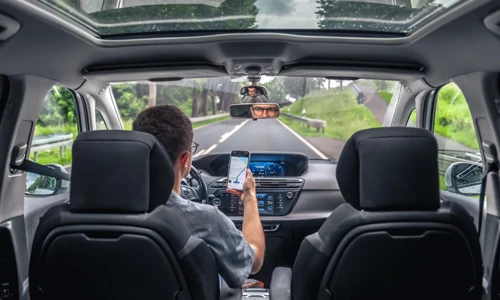
Enhanced Safety Engineering
From crash-avoidance algorithms to predictive analytics, autonomy allows manufacturers to design safety systems that react faster than human reflexes. This aligns perfectly with the industry’s long-standing safety ethos and regulatory pressure.
Brand Differentiation In A Software Era
In a crowded market, autonomy is the new horsepower. The sophistication of a company’s AI stack can define its competitive edge as much as engine performance once did.
Long-Term Cost Efficiency
Autonomous technology promises reduced warranty claims tied to accidents, lower insurance premiums, and optimized fleet maintenance through predictive diagnostics. Over time, these efficiencies could reshape cost structures across the industry.
Environmental Optimization
Autonomous systems can drive more efficiently than humans, smoothing acceleration patterns and optimizing routes. For automakers investing heavily in electrification, this synergy supports broader sustainability goals.
The Cons Keeping Executives Awake

The Immense Cost Of Development
Building autonomy is a capital marathon. Billions go into sensors, AI training, simulation environments, and real-world testing. For many manufacturers, profitability timelines stretch far into the horizon.
Liability And Legal Complexity
One of the thorniest questions in boardrooms is simple yet profound: when an autonomous vehicle makes a mistake, who is responsible? Automakers, software providers, and regulators are still sketching the answer in pencil rather than ink.
Consumer Trust Is Still Fragile
Even the most advanced systems must win emotional acceptance, not just technical validation. A single high-profile failure can ripple across public perception and slow adoption curves dramatically.
Infrastructure And Regulation Gaps
Autonomous vehicles require supportive ecosystems: smart roads, clear legislation, and standardized safety frameworks. Progress varies widely across regions, making global deployment a complex puzzle.
The Technological Arms Race
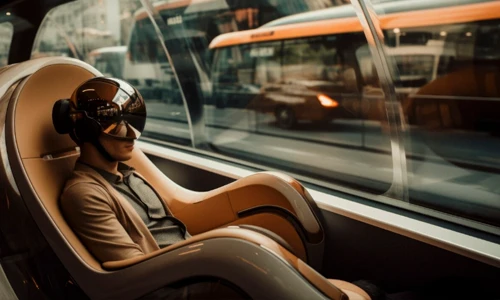
Behind the scenes, the push toward autonomy resembles a quiet space race. Companies are investing in:
- High-resolution lidar and radar systems
- Edge computing for real-time decision making
- Massive simulation datasets
- Over-the-air software ecosystems
For automakers, mastering this stack is not just about launching a feature. It is about building a technological moat that secures relevance in the next era of mobility.
Cultural Shift Inside Automakers
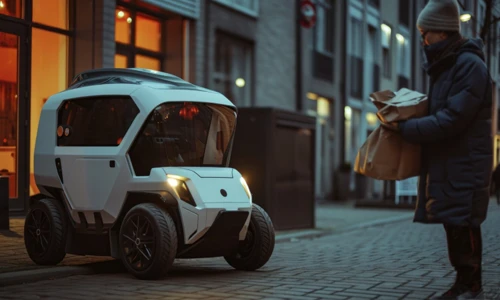
The most fascinating transformation is internal. Traditional automotive culture revolved around mechanical engineering excellence. Today, software engineers, AI researchers, and data scientists occupy center stage.
Design reviews now include discussions about neural network performance alongside chassis dynamics. The industry is blending Detroit’s mechanical heritage with Silicon Valley’s iterative mindset, creating a hybrid culture that feels both thrilling and occasionally chaotic.
The Consumer Experience Of Tomorrow
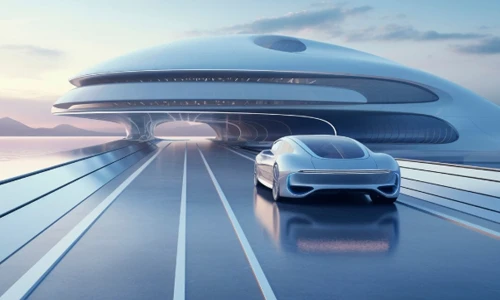
The autonomous cabin is a blank canvas. If driving becomes optional, the interior transforms into a lounge, workspace, or entertainment hub.
Manufacturers are experimenting with:
- Adaptive seating layouts
- Immersive infotainment ecosystems
- Personalized digital assistants
- Wellness and productivity features
The car of the future is being designed less like a cockpit and more like a living room on wheels.
Future Trends Shaping The Next Decade
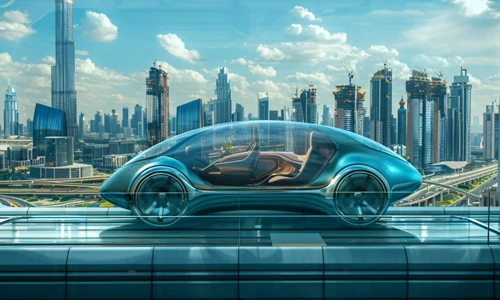
Gradual Autonomy, Not Overnight Revolution
Most automakers expect a phased rollout. Advanced assistance features will continue to expand before full autonomy becomes mainstream. This incremental approach helps manage risk and build consumer confidence.
Partnerships Over Solo Innovation
Collaborations between automakers, tech firms, and governments are becoming the norm. The complexity of autonomy makes ecosystem thinking essential rather than optional.
Data As The New Fuel
Autonomous vehicles generate enormous datasets. For manufacturers, managing and learning from this data will be as critical as manufacturing efficiency once was.
Mobility As A Service Expansion
Subscription-based mobility and autonomous ride services could redefine ownership models, particularly in dense urban environments.
So, What Does The Future Of Automotive Really Look Like?
From the automaker’s vantage point, autonomy is not a finish line. It is a long, winding road where technology, regulation, and human psychology evolve together.
The self-driving cars' pros and cons conversation ultimately reflects a deeper transformation. Cars are shifting from mechanical products to intelligent companions embedded in a digital ecosystem. The winners in this transition will not just build better vehicles. They will build better experiences, safer systems, and smarter mobility networks.
In strategy rooms across the globe, one idea keeps resurfacing like a refrain: the future of automotive will not be defined by who builds the fastest car, but by who builds the most trusted intelligence on four wheels.



Can a Smart Home Work Without Internet? Explained
Solana’s Worth in Future: What Could 1 SOL Be Worth?
How to Wake Up the System From Sleep Mode on Any Computer
The Mokacam 4K Sports and Action Camera: Tiny but Powerful