Tesla’s long-anticipated move into driverless technology is finally hitting the streets — literally. The Tesla robotaxi launch in Austin is making headlines as a select group of users prepares to experience fully autonomous rides for the first time. Here’s what we know so far about this major step in the company’s self-driving ambitions. When and Where Is the Tesla Robotaxi Launch? According to Elon Musk, the Tesla robotaxi launch began June 22, 2025, in Austin, Texas. Initially, the service will operate a small fleet of Model Y vehicles—not the futuristic CyberCab shown during previous events. Key Launch Details: Only invited users can access the service. Rides are geofenced within limited areas of Austin. A Tesla Safety Monitor will be in the front passenger seat. Trips to/from airports are excluded. Remote operators will supervise in real-time. What Vehicles Are Being Used?...
Tesla’s long-anticipated move into driverless technology is finally hitting the streets — literally. The Tesla robotaxi launch in Austin is making headlines as a select group of users prepares to experience fully autonomous rides for the first time. Here’s what we know so far about this major step in the company’s self-driving ambitions.
When and Where Is the Tesla Robotaxi Launch?
According to Elon Musk, the Tesla robotaxi launch began June 22, 2025, in Austin, Texas. Initially, the service will operate a small fleet of Model Y vehicles—not the futuristic CyberCab shown during previous events.
Key Launch Details:
- Only invited users can access the service.
- Rides are geofenced within limited areas of Austin.
- A Tesla Safety Monitor will be in the front passenger seat.
- Trips to/from airports are excluded.
- Remote operators will supervise in real-time.
What Vehicles Are Being Used?
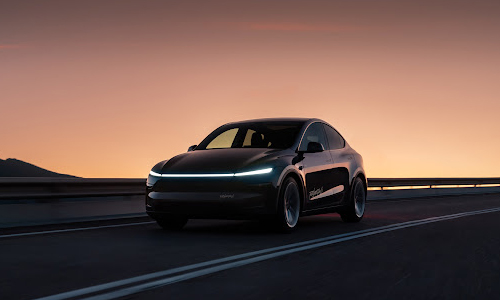
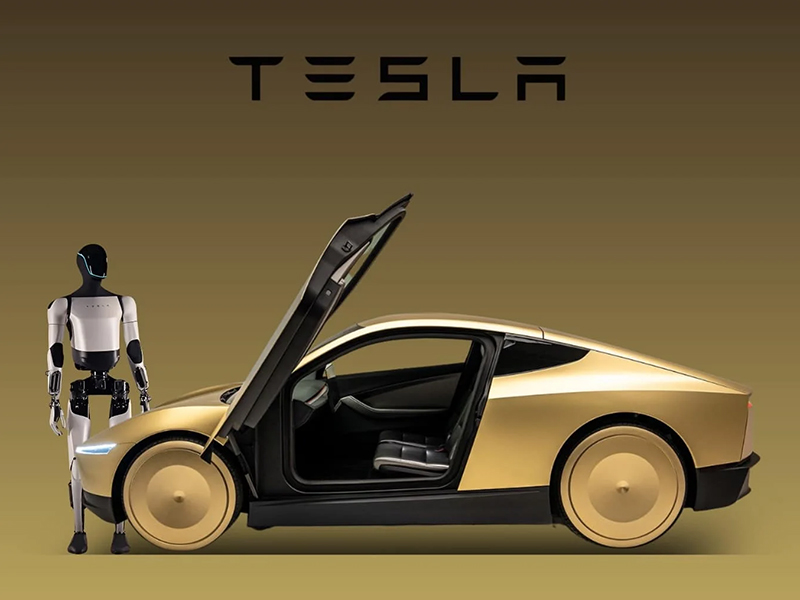
Contrary to expectations, Tesla’s CyberCab is not part of the launch. Instead, users will ride in Model Y vehicles equipped with Full Self-Driving (FSD) software. These cars will include enhanced sensors, live monitoring systems, and on-screen alerts.
How Tesla’s Robotaxi Works
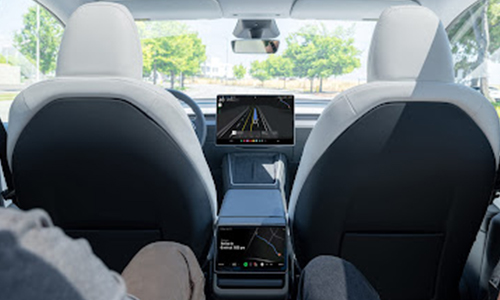
Tesla’s robotaxis rely on its FSD supervised software, which includes:
- Automated steering
- Obstacle recognition
- Lane changes
- Stop-and-go traffic handling
- Parking assistance
However, FSD has previously faced criticism for safety shortcomings. Tesla maintains that this new rollout will be monitored rigorously to ensure compliance and safety.
Why This Launch Matters for Tesla
Wall Street analysts are closely watching this launch. Dan Ives of Wedbush calls it the start of a “golden era of autonomy” that could push Tesla’s market cap past $2 trillion.
Musk has pitched robotaxis as a critical piece of Tesla’s future. A successful pilot in Austin could open the floodgates for expansion into Los Angeles, San Francisco, and eventually other cities worldwide.
Concerns Around Safety and Regulation
Not everyone is cheering.
Lawmakers in Texas have urged Tesla to delay the launch until September, when new statewide self-driving laws take effect. Their concern? Tesla’s readiness to comply with stricter regulatory guidelines.
Additionally, The Dawn Project, a tech safety watchdog group, published footage of a Tesla allegedly failing to stop for a school bus and hitting a child-sized mannequin. While Tesla disputes such tests, public skepticism is high.
Tesla vs. the Competition
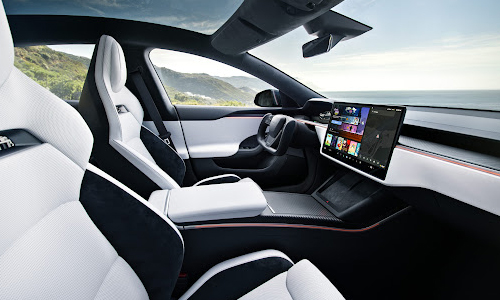
Tesla’s delayed launch means rivals like Waymo and Cruise have already built significant momentum in the robotaxi space.
| Company |
Robotaxi Service Locations |
Safety Monitor? |
Market Cap (Approx.) |
| Tesla |
Austin (Pilot) |
Yes |
$1.1 Trillion |
| Waymo |
Phoenix, San Francisco, LA |
No (Fully driverless) |
$2.2 Trillion (Alphabet) |
| Cruise |
San Francisco, Miami |
Partial |
$51 Billion (GM) |
What This Means for Consumers
For the first time, Tesla users can experience:
- Hands-free, door-to-door rides
- App-based robotaxi booking
- A taste of what autonomous ride-sharing might look like in the future
But expect a long road to mass adoption, as Tesla must:
- Prove safety
- Win over regulators
- Scale responsibly
FAQs
1. Is Tesla’s robotaxi available for public use?
No, only select invited users can currently access it in Austin.
2. Are the robotaxis fully driverless?
Yes, but each ride has a Tesla Safety Monitor and remote supervision.
3. What is FSD Supervised?
It’s Tesla’s Full Self-Driving software, monitored by both in-car and remote systems.
4. When will robotaxis expand to other cities?
Tesla has plans for Los Angeles and San Francisco following the Austin pilot.
5. What’s the biggest concern with Tesla’s robotaxi?
Public safety and regulatory compliance, especially regarding how the AI handles real-world edge cases.
The Tesla robotaxi launch is a landmark moment—not just for Tesla but for the entire autonomous vehicle industry. With promises of hands-free travel and tech-driven mobility, the pilot in Austin may determine whether Tesla becomes the global leader in robotaxis or continues to play catch-up.
Solana’s Worth in Future: What Could 1 SOL Be Worth?
How to Wake Up the System From Sleep Mode on Any Computer
The Mokacam 4K Sports and Action Camera: Tiny but Powerful
How to Choose the Best Document Scanner for Your Needs