Buying a brand-new phone can be expensive, and with prices rising every year, many people wonder: is it ok to buy a refurbished phone instead? The short answer is yes — if you buy it from the right place and know what to look for. Refurbished phones are not the same as used phones. They are returned, repaired, tested, and restored to working condition before being sold again. Many look and perform just like new, but at a much cheaper price. Let’s break down when buying a refurbished phone is a smart decision and when you should avoid it. What Exactly Is a Refurbished Phone? A refurbished phone is: Returned by a customer Repaired for any hardware issues Cleaned and factory reset Tested through multiple quality checks Graded based on condition (like-new, excellent, good) Many refurbished phones even come from...
Buying a brand-new phone can be expensive, and with prices rising every year, many people wonder: is it ok to buy a refurbished phone instead? The short answer is yes — if you buy it from the right place and know what to look for.
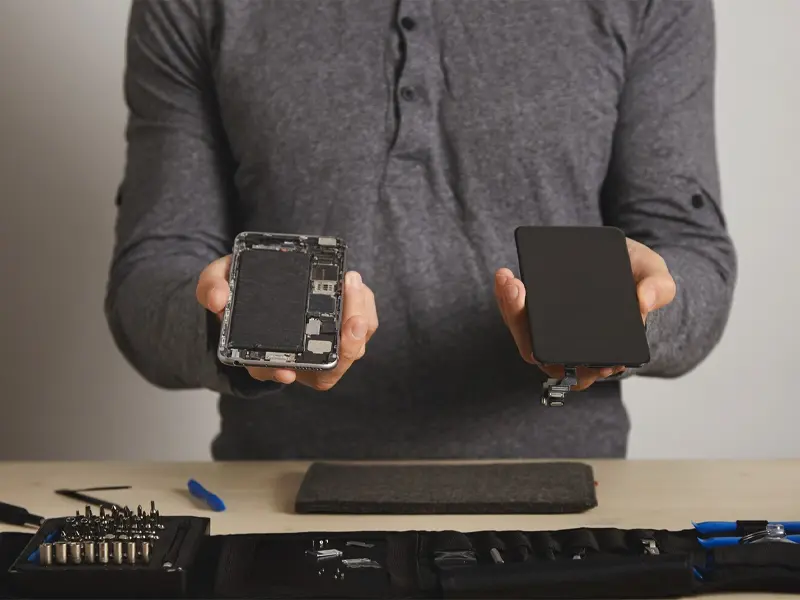
Refurbished phones are not the same as used phones. They are returned, repaired, tested, and restored to working condition before being sold again. Many look and perform just like new, but at a much cheaper price.
Let’s break down when buying a refurbished phone is a smart decision and when you should avoid it.
What Exactly Is a Refurbished Phone?
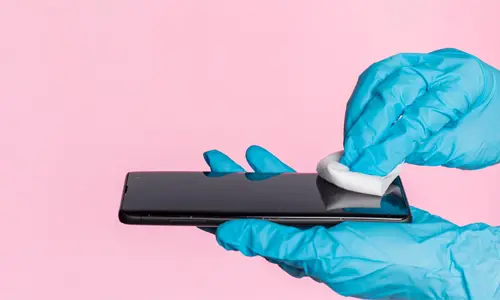
A refurbished phone is:
- Returned by a customer
- Repaired for any hardware issues
- Cleaned and factory reset
- Tested through multiple quality checks
- Graded based on condition (like-new, excellent, good)
Many refurbished phones even come from demo units or store returns that were barely used.
Why Buying Refurbished Can Be a Good Idea
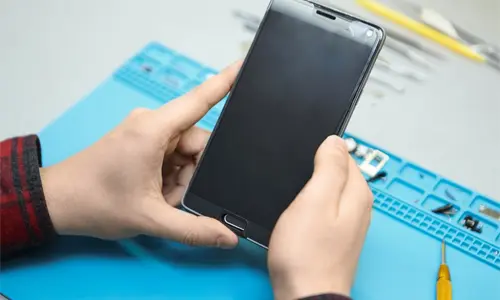
1. Big Savings
You can save 20%–50% compared to new models while getting the same features and performance.
2. Eco-Friendly Choice
Buying refurbished reduces electronic waste — good for your wallet and the planet.
3. Tested and Certified
Certified refurbished phones go through professional inspections, so you often get a device that works like new.
4. Warranty Included
Most reputable sellers offer 6–12 months warranty, giving you peace of mind.
When Buying a Refurbished Phone Can Be Risky
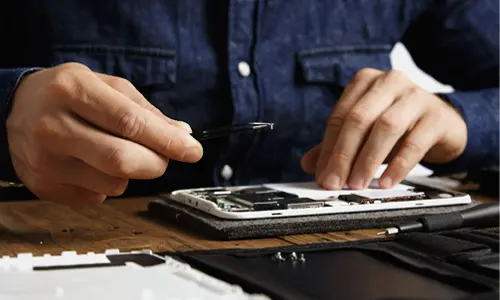
It becomes risky only when:
- You buy from unverified sellers
- There is no warranty
- The phone has been repaired with poor-quality parts
- The seller hides the physical or internal condition
Always check what “refurbished” actually means — not all sellers follow the same standards.
How to Safely Choose a Refurbished Phone
1. Buy from Trusted Sources
Choose certified sellers like:
- Apple Refurbished Store
- Samsung Certified Renewed
- Amazon Renewed
- Best Buy
- Reputable refurbishing companies
- Avoid random marketplace sellers.
2. Check the Grade
Most refurbishers use grades:
- A / Like New – Almost perfect
- B / Very Good – Minor cosmetic marks
- C / Good – Visible signs of use
Pick the grade that matches your expectations and budget.
3. Look for Warranty
Never buy a refurbished phone without a warranty. A minimum 6-month warranty is a sign of reliable refurbishment.
4. Check Battery Health
Battery capacity should ideally be above 80%–85% for good performance.
5. Verify Return Policy
A 7–30 day return window is important in case you find unexpected issues.
6. Compare Prices
If the refurbished price is almost same as a new device, it’s not worth it. The deal should clearly offer value.
FAQ
Is it ok to buy a refurbished phone for long-term use?
Yes, if it comes with warranty and good battery health, it can last years.
Do refurbished phones have new batteries?
Sometimes. It depends on whether the original battery passed quality tests.
Are refurbished phones slower?
No — performance is usually similar to new phones if the device is well restored.
Is a refurbished phone better than a used phone?
Yes. Refurbished phones are tested, repaired, and certified, unlike used phones.
Can refurbished phones get software updates?
Yes. They receive the same updates as brand-new devices.

Solana’s Worth in Future: What Could 1 SOL Be Worth?
How to Wake Up the System From Sleep Mode on Any Computer
The Mokacam 4K Sports and Action Camera: Tiny but Powerful
How to Choose the Best Document Scanner for Your Needs