We spend hours staring at screens — scrolling, texting, streaming, and working — so it’s no surprise that eye strain has become a modern-day problem. That’s where the idea of an eye-friendly smartphone comes in. These phones are designed (or optimized) to reduce digital eye fatigue through smarter display tech, lower blue light output, and better brightness control. But before we jump into the best models, let’s break down what actually makes a phone eye-friendly. What Makes a Smartphone “Eye-Friendly”? Feature Why It Matters Low Blue Light Mode or Hardware Filtering Reduces fatigue from harsh blue wavelengths. DC Dimming / PWM Flicker Reduction Prevents invisible screen flicker that strains the eyes (especially at low brightness). High Refresh Rate (90–120Hz+) Smoother scrolling = less visual stress. Adaptive Brightness + Auto Color Tone Adjusts screen to match your environment. Anti-Reflective / Matte...
We spend hours staring at screens — scrolling, texting, streaming, and working — so it’s no surprise that eye strain has become a modern-day problem. That’s where the idea of an eye-friendly smartphone comes in. These phones are designed (or optimized) to reduce digital eye fatigue through smarter display tech, lower blue light output, and better brightness control.
But before we jump into the best models, let’s break down what actually makes a phone eye-friendly.
What Makes a Smartphone “Eye-Friendly”?

| Feature |
Why It Matters |
| Low Blue Light Mode or Hardware Filtering |
Reduces fatigue from harsh blue wavelengths. |
| DC Dimming / PWM Flicker Reduction |
Prevents invisible screen flicker that strains the eyes (especially at low brightness). |
| High Refresh Rate (90–120Hz+) |
Smoother scrolling = less visual stress. |
| Adaptive Brightness + Auto Color Tone |
Adjusts screen to match your environment. |
| Anti-Reflective / Matte Coating (rare but ideal) |
Reduces glare from lights and sunlight. |
| Larger Display + Better Font Rendering |
Bigger text, less squinting. |
Best Eye-Friendly Smartphone Models You Can Buy Right Now
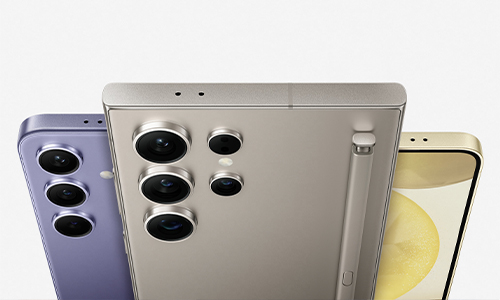
These phones are known for flicker-free OLED, low blue light certifications, and strong eye comfort settings.
| Phone Model |
Key Eye-Friendly Features |
| Samsung Galaxy S24 Series |
Eye Comfort Shield, adaptive 120Hz, low blue light OLED |
| iPhone 15 Pro / Pro Max |
True Tone, 120Hz ProMotion, anti-flicker OLED panel |
| OnePlus 12 |
TÜV Flicker-Free + TÜV Low Blue Light certified |
| Google Pixel 9 Pro |
Adaptive display + night light + smooth 120Hz |
| Oppo Find X7 Ultra |
Hardware-level low blue light screen + high PWM dimming |
| Xiaomi 14 Ultra |
3840Hz PWM dimming — one of the highest flicker protections |
These are NOT medical claims — they are based on display certifications and tech features, not health promises.
Standard Phone vs Eye-Friendly Phone: Quick Comparison
| Feature |
Standard Smartphone |
Eye-Friendly Smartphone |
| Blue Light Control |
Simple “Night Mode” |
Hardware-level filtering + TÜV certified |
| Flicker Protection |
240–600Hz PWM flicker |
2160–3840Hz ultra-high PWM dimming |
| Refresh Rate |
60Hz |
90–120Hz (smoother motion) |
| Auto Tone Adjustment |
Manual toggle |
Dynamic color tuning (True Tone, Eye Shield) |
| Battery Impact |
Lower |
Slightly higher due to adaptive features |
| Ideal for Long Use |
❌ Not really |
✅ Yes — comfort-focused display |
How to Make ANY Smartphone More Eye-Friendly

Even if you don’t own a certified device, you can still reduce strain:
✔ Turn on Night Light / Eye Comfort mode
✔ Reduce screen brightness—not too low, not too high
✔ Use dark mode when indoors
✔ Increase text size & bold font
✔ Enable grayscale for late-night scrolling
✔ Take the 20-20-20 break: every 20 mins, look 20 ft away for 20 sec
FAQs About Eye-Friendly Smartphones
1. Which smartphone is best for the eyes?
Phones with high PWM dimming (2000Hz+) and low blue light certification are considered better — like the OnePlus 12, Xiaomi 14 Ultra, and Samsung S24.
2. Is AMOLED better for eye comfort?
Yes and no — AMOLED offers deeper contrast and softer viewing, but many AMOLED screens flicker at low brightness. Look for models with “high PWM dimming”.
3. Are blue light filters really helpful?
They reduce harsh wavelengths and make night use more comfortable, especially before sleep. They don’t “fix” everything, but they do help.
4. Do iPhones have eye-friendly display features?
Yes — True Tone, Night Shift, and ProMotion make iPhones one of the more eye-comfortable screens, but they lack PWM certification transparency.
5. Can eye-friendly smartphones prevent eye damage?
They may reduce strain, but they do not guarantee medical protection. Eye comfort ≠ medical safety (this is a tech feature, not a health product).

Solana’s Worth in Future: What Could 1 SOL Be Worth?
How to Wake Up the System From Sleep Mode on Any Computer
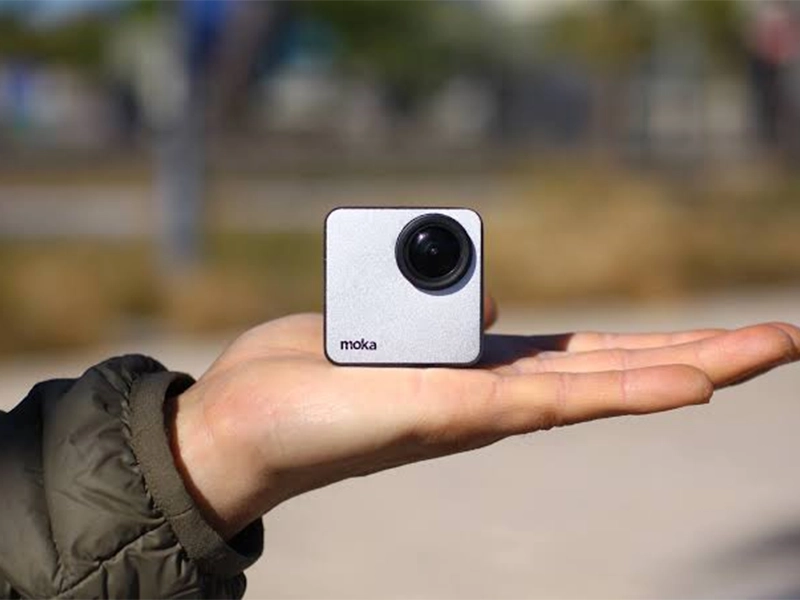
The Mokacam 4K Sports and Action Camera: Tiny but Powerful
How to Choose the Best Document Scanner for Your Needs