Apple has just introduced a new model in its lineup: the iPhone Air, the thinnest iPhone ever, aiming to blend premium performance with a feather-light design. Announced on September 9, 2025, alongside the iPhone 17, iPhone 17 Pro, and iPhone 17 Pro Max, the iPhone Air is positioned between the standard and Pro devices—offering a unique combination of style, new technology, and trade-offs. Here’s what makes the iPhone Air special, what users should watch out for, and whether it’s worth your attention. 1. Ultra-Thin & Lightweight Design With a thickness of 5.6 mm, the iPhone Air beats Apple’s previous record and makes the standard model lineup feel bulky in comparison. Weighs about 165 grams, striking a balance between solid hardware and portability. Built using a titanium frame and Apple’s improved Ceramic Shield 2 glass front, plus reinforced back, which together...
Apple has just introduced a new model in its lineup: the iPhone Air, the thinnest iPhone ever, aiming to blend premium performance with a feather-light design. Announced on September 9, 2025, alongside the iPhone 17, iPhone 17 Pro, and iPhone 17 Pro Max, the iPhone Air is positioned between the standard and Pro devices—offering a unique combination of style, new technology, and trade-offs.
Here’s what makes the iPhone Air special, what users should watch out for, and whether it’s worth your attention.
1. Ultra-Thin & Lightweight Design
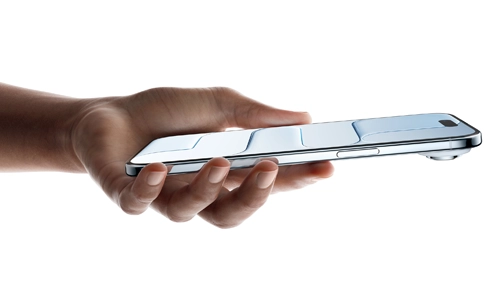
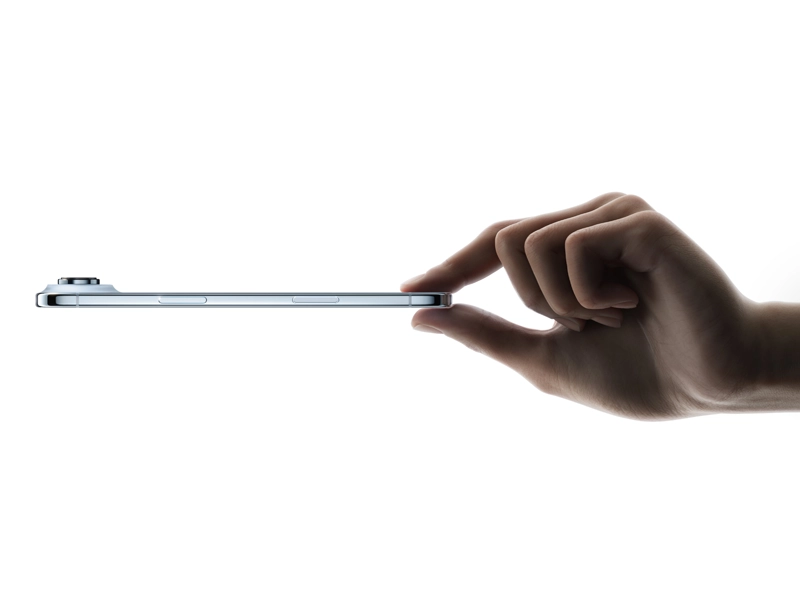
- With a thickness of 5.6 mm, the iPhone Air beats Apple’s previous record and makes the standard model lineup feel bulky in comparison.
- Weighs about 165 grams, striking a balance between solid hardware and portability.
- Built using a titanium frame and Apple’s improved Ceramic Shield 2 glass front, plus reinforced back, which together deliver durability despite the slim profile.
This design shift signals Apple is doubling down on lightweight builds—not merely incremental upgrades but real design changes.
2. Performance Upgrades Behind the Slim Build
- Powered by the A19 Pro chip, this phone shares many commonalities under the hood with its Pro-series siblings.
- Wireless networking features are boosted: inclusion of Wi-Fi 7, Bluetooth 6, and Thread, enabled by Apple’s new N1 chip.
- The new C1X modem is said to provide faster cellular connectivity with better energy efficiency.
These enhancements ensure that the iPhone Air doesn’t just look thin—it also performs close to Apple’s higher-end models.
3. Display & Visual Features
- The iPhone Air features a 6.5-inch ProMotion display with a refresh rate up to 120Hz, sharp visuals, and bright output.
- Apple introduced a new material/coating called Ceramic Shield 2, offering better scratch resistance and reduced glare.
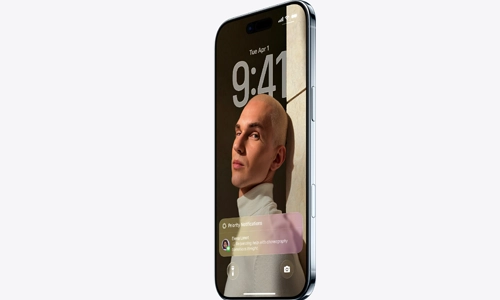
- New “Liquid Glass” design language comes with iOS 26, giving UI elements more translucency, adaptive styles, and smooth transitions.
4. Battery & Connectivity Trade-Offs
- Despite its slim body, Apple says the device offers all-day battery life; they also launched a MagSafe battery pack to extend video playback up to ~40 hours.
- The design gives up a physical SIM slot in favor of eSIM only, likely to save internal space. Good for portability, but may be less convenient in regions where eSIM adoption is still new.
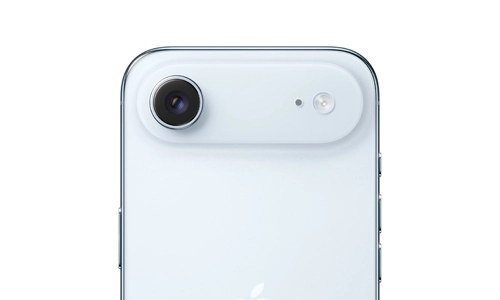
- One rear camera (48 MP), which for many users will suffice—but when compared to multi-lens Pro variants, you’re trading off ultra-wide and telephoto flexibility.
5. Pricing, Availability & Who It’s For
- Price starts at USD $999 for the base 256GB model.
- Preorders begin September 12; general availability from September 19.
- Color options: multiple hues, including Sky Blue, Space Black, Cloud White, and Light Gold. Slim cases and bumper accessories also accompany the launch.
This device is likely aimed at design-obsessed users who value aesthetics, portability, and a premium feel—but who may not need all the extras of the Pro models.
What’s Good & What to Watch Out For
| Strengths |
Possible Weaknesses |
| Ultra-thin premium build |
Loss of multi-lens flexibility (no ultra-wide / telephoto) |
| High refresh display, polished visuals |
Battery life might suffer under heavy use |
| Lightweight design, eSIM only (modern approach) |
Fewer physical ports, maybe heat/durability under stress |
| Pro-level chip power in a lighter chassis |
Price is still premium; value depends on user needs |
FAQs About the iPhone Air
When will the iPhone Air be available?
Preorders begin September 12, 2025; full sale starts September 19.
What storage options are there?
Base model starts at 256GB; higher storage tiers likely up to 1TB.
Does it support wireless charging and MagSafe?
Yes, MagSafe is supported; also, wireless charging via standard & premium accessories.
How does its camera compare to the iPhone 17 Pro?
It has a single 48MP rear camera instead of a multi-lens setup. Pro models retain telephoto/ultrawide — so Air is great for most, but less flexible for advanced photography.
Why did Apple go with eSIM only?
To save physical space inside the ultra-thin body and to streamline the design. Also supports many carriers globally now. But it could mean limitations in countries where eSIM isn’t fully supported yet.
The iPhone Air is a bold statement from Apple: thinner, lighter, yet still powerful. It’s a smart choice for anyone who values design, portability, and a good balance of performance without going all-in on the Pro models. If you’re someone who always carries your phone everywhere, appreciates craftsmanship, and doesn’t demand every camera trick, this might be your new go-to.

Solana’s Worth in Future: What Could 1 SOL Be Worth?
How to Wake Up the System From Sleep Mode on Any Computer
The Mokacam 4K Sports and Action Camera: Tiny but Powerful
How to Choose the Best Document Scanner for Your Needs