Every year, tech companies promise revolutionary smartphones. Most deliver slightly faster processors, a brighter screen, or another camera lens. But honor's robot phone feels like something entirely different. Unveiled at Mobile World Congress (MWC) 2026, the experimental device combines robotics, artificial intelligence, and smartphone technology into a unique package. Instead of simply being a communication tool, Honor wants the phone to behave more like an interactive companion. And yes, the most surprising part is exactly what the name suggests: the phone literally moves like a robot. A Smartphone With a Robotic Camera Arm The biggest talking point of honor's robot phone is its camera system. Rather than using a fixed camera module, the phone features a motorized mechanical arm with a three-axis gimbal that pops out from the back of the device. This robotic camera can: Rotate and adjust angles...
Every year, tech companies promise revolutionary smartphones. Most deliver slightly faster processors, a brighter screen, or another camera lens. But honor's robot phone feels like something entirely different.
Unveiled at Mobile World Congress (MWC) 2026, the experimental device combines robotics, artificial intelligence, and smartphone technology into a unique package. Instead of simply being a communication tool, Honor wants the phone to behave more like an interactive companion.
And yes, the most surprising part is exactly what the name suggests: the phone literally moves like a robot.
A Smartphone With a Robotic Camera Arm
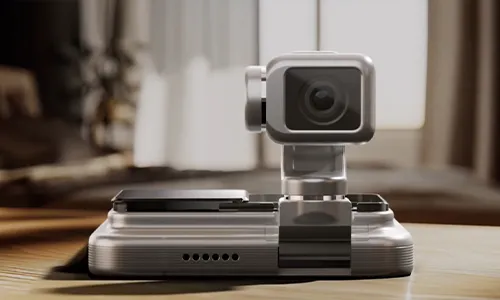
The biggest talking point of honor's robot phone is its camera system. Rather than using a fixed camera module, the phone features a motorized mechanical arm with a three-axis gimbal that pops out from the back of the device.
This robotic camera can:
- Rotate and adjust angles automatically
- Track subjects during video recording
- Stabilize footage like a professional gimbal
- Capture photos from different perspectives
The system reportedly includes a 200-megapixel sensor, designed to deliver cinematic-level photography and smooth video recording.
In practical terms, it could behave like a tiny film crew built into your smartphone.
More Than a Camera: A Phone With Personality
Honor isn’t just experimenting with hardware. The company also wants the device to feel alive in a subtle way.
The robotic module can physically respond to interactions. The camera “head” can nod, tilt, or move in reaction to commands, giving the phone body language rather than just voice responses.
During demonstrations, the device even reacted to music and gestures, showing how motion can become part of human-device communication.
This concept is part of what Honor calls “embodied AI”, where artificial intelligence interacts with the physical world rather than existing only on a screen.
Built for AI-Driven Photography and Content Creation
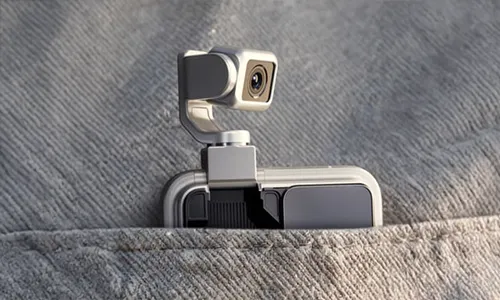
Smartphones are already replacing professional cameras for many creators. Honor’s robot phone seems designed specifically for that future.
Features teased so far include:
- AI subject tracking for automatic framing
- Cinematic stabilization through the gimbal system
- Smart video editing powered by AI
- Interactive shooting modes that move the camera automatically
The camera can even rotate up to 360 degrees, enabling creative filming angles that traditional smartphones cannot achieve. For vloggers, travelers, and social media creators, this could dramatically change how mobile video is recorded.
When Will Honor’s Robot Phone Launch?
The device is still in the prototype stage, but Honor has confirmed that honor's robot phone is expected to launch in the second half of 2026, with China likely being the first market.
Several key specifications are still unknown, including:
- Processor and chipset
- RAM and storage options
- Battery capacity
- Official pricing
Because of its mechanical components, durability and long-term reliability will also be closely watched once production units arrive.
Why Honor Is Betting on Robot Phones
The smartphone industry has reached a point where most devices look similar. Innovation now comes from new form factors like foldables, AI assistants, and wearable integration.
Honor appears to be exploring a new direction: phones that behave more like intelligent machines.
By combining robotics, artificial intelligence, and mobile photography, the company is experimenting with how smartphones might evolve beyond simple touchscreens.
If the concept works, future devices might not just respond to commands. They might observe, react, and interact with the world around them.
Right now, honor's robot phone sits somewhere between a concept device and a glimpse of the future. It is unusual, experimental, and slightly eccentric, but that is often how the most interesting tech innovations begin. If the final product arrives later in 2026 as promised, it could mark the start of a new category of smartphones where AI and robotics merge directly into everyday devices.
And in a world of identical glass slabs, a phone that can literally move might be exactly the kind of shake-up the industry needs.

Solana’s Worth in Future: What Could 1 SOL Be Worth?
How to Wake Up the System From Sleep Mode on Any Computer
The Mokacam 4K Sports and Action Camera: Tiny but Powerful
How to Choose the Best Document Scanner for Your Needs