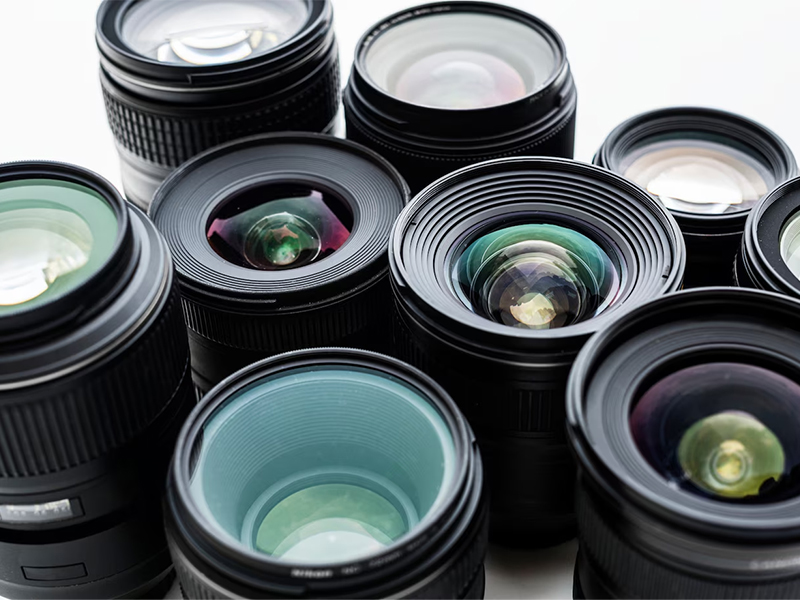
Choosing the right lens is one of the most important decisions a DSLR user will make. Your camera body is only half the equation—lenses define your photography style, quality, and creative potential. In this guide for buying DSLR camera lenses, we break down everything you need to know to make a confident, informed decision, whether you're shooting portraits, wildlife, or weddings. 1. Understand the Types of DSLR Lenses Before you buy, it’s essential to know the categories lenses fall into. Here are the main types: Prime Lenses – Fixed focal length (e.g., 50mm), known for sharpness and wider apertures. Zoom Lenses – Variable focal lengths (e.g., 24-70mm), offering flexibility for varied shots. Wide-Angle Lenses – Ideal for landscapes, architecture, and tight spaces. Telephoto Lenses – Great for wildlife and sports; these bring far subjects closer. Macro Lenses – Specially designed...
Choosing the right lens is one of the most important decisions a DSLR user will make. Your camera body is only half the equation—lenses define your photography style, quality, and creative potential. In this guide for buying DSLR camera lenses, we break down everything you need to know to make a confident, informed decision, whether you're shooting portraits, wildlife, or weddings.
1. Understand the Types of DSLR Lenses
Before you buy, it’s essential to know the categories lenses fall into. Here are the main types:
- Prime Lenses – Fixed focal length (e.g., 50mm), known for sharpness and wider apertures.
- Zoom Lenses – Variable focal lengths (e.g., 24-70mm), offering flexibility for varied shots.
- Wide-Angle Lenses – Ideal for landscapes, architecture, and tight spaces.
- Telephoto Lenses – Great for wildlife and sports; these bring far subjects closer.
- Macro Lenses – Specially designed for close-up shots with fine detail.
- Fisheye Lenses – Ultra-wide with a spherical effect, often used for artistic or skate photography.
2. Know Your Camera’s Lens Mount Compatibility
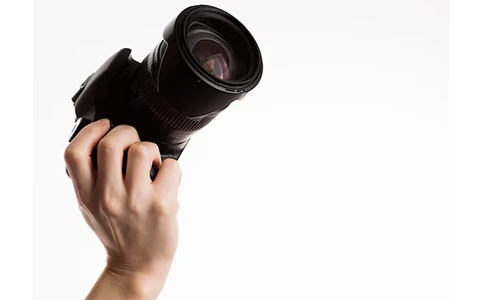
Each camera brand has a different lens mount. You must check if the lens is compatible with your DSLR body. Examples:
- Canon EF / EF-S mount
- Nikon F mount
- Sony A mount (for older DSLRs)
- Pentax K mount
Pro Tip: Don’t assume third-party lenses from Sigma, Tamron, or Tokina fit all brands—check the mount version.
3. Decode Focal Lengths and Their Impact
Focal length (measured in mm) determines the lens’s field of view.
- 14-35mm = Wide-angle
- 35-70mm = Standard/Street Photography
- 70-200mm = Telephoto (sports/wildlife)
- 300mm+ = Super Telephoto (professional wildlife, astronomy)
If you’re unsure, a 24-70mm or 18-135mm is a versatile range for general photography.
4. Aperture: Brightness and Bokeh
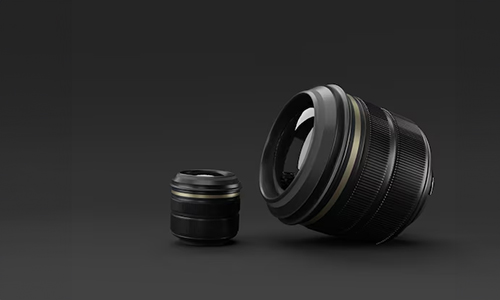
Aperture is expressed as f/1.8, f/2.8, f/4 etc. Lower f-numbers mean larger apertures, allowing more light and better low-light performance.
- f/1.2 to f/2.8 – Great for low light and portrait bokeh
- f/3.5 to f/5.6 – Common in kit lenses; decent for daylight photography
- f/8 and above – Often used in landscape or macro shots for deeper focus
Budget tip: Prime lenses like the Canon 50mm f/1.8 are affordable and great for beginners!
5. Image Stabilization (IS/VR/OSS)
Image stabilization reduces camera shake, especially useful in telephoto and low-light situations.
- Canon: Image Stabilization (IS)
- Nikon: Vibration Reduction (VR)
- Sony: Optical Steady Shot (OSS)
It’s worth investing in if you shoot handheld often.
6. Autofocus Performance and Noise
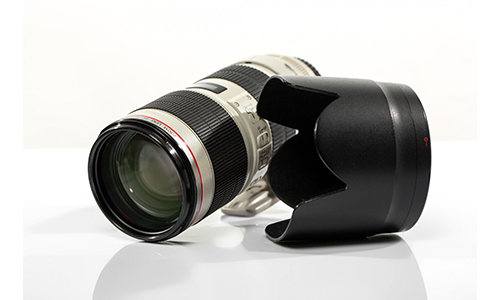
Autofocus speed and noise level matter a lot for video creators and wildlife photographers.
- Look for STM (Canon) or AF-S (Nikon) for quieter focusing
- Ring-type ultrasonic motors (USM/SWM) = faster and more accurate autofocus
Some third-party lenses may be noisier or slower to focus.
7. Test the Lens: Hands-On or Research-Based
If buying in-store, test the lens. If buying online, read reviews and watch YouTube comparisons. Look out for:
- Sharpness at various apertures
- Chromatic aberration
- Vignetting (dark edges)
- Distortion (especially in wide-angles)
Pro Insight: Use sample image galleries from sites like DPReview, The-Digital-Picture, or Flickr to see real-world results.
8. Set a Realistic Budget and Prioritize
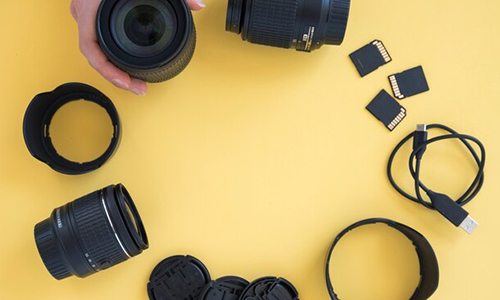
Lens prices range from $100 to $3000+. Be honest about what you need now:
| Skill Level |
Budget Range |
Suggested Lens |
| Beginner |
$100–$300 |
50mm f/1.8 Prime (Nifty Fifty) |
| Intermediate |
$300–$800 |
18-135mm Zoom or 85mm Prime |
| Professional |
$1000+ |
24-70mm f/2.8, 70-200mm f/2.8 |
Tip: Consider used lenses from reliable stores like KEH, B&H Used, or Adorama Used.
9. Lens Weight, Size, and Travel Use
Telephoto lenses are heavy—consider a monopod or backpack with support straps.
If you travel a lot, opt for lighter, compact zoom lenses like Canon 18-135mm IS or Nikon 18-105mm VR.
10. Don’t Forget the Extras
- Lens Hood: Blocks stray light
- UV Filter: Basic protection against dust/scratches
- ND Filter: For controlling exposure in bright light
- Polarizer: Enhances skies, reduces reflections
Frequently Asked Questions about Buying Camera Lenses
What’s more important—camera body or lens?
Lenses impact image quality more than camera bodies. You can upgrade your body later—invest in good glass.
Should I buy third-party lenses?
Yes, if they’re from trusted brands like Sigma Art, Tamron G2, or Tokina. Always check compatibility.
How many lenses do I need?
2-3 is a good starting point: one wide (18-55mm), one prime (50mm), and one telephoto (70-300mm).
Where to buy DSLR lenses in the US?
Trusted sites: B&H Photo Video, Adorama, Amazon, KEH for used lenses.
Can I use DSLR lenses on mirrorless cameras?
Yes, with a lens adapter (e.g., EF to RF, F to Z), but performance may vary.
Buying a lens isn’t just about specs—it’s about your photography style, goals, and usage. This guide for buying a DSLR camera lenses equips you with the essential knowledge to make the right investment. Whether you're a beginner or an aspiring pro, your lens should be a gateway to creativity, not a limitation.

Solana’s Worth in Future: What Could 1 SOL Be Worth?
How to Wake Up the System From Sleep Mode on Any Computer
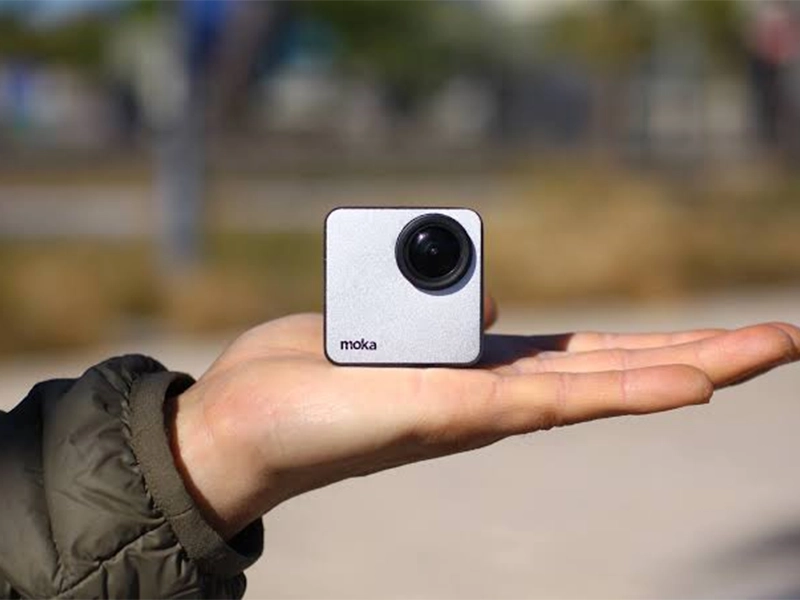
The Mokacam 4K Sports and Action Camera: Tiny but Powerful
How to Choose the Best Document Scanner for Your Needs