Artificial intelligence is rapidly evolving from a simple chatbot into a powerful productivity engine. With the launch of GPT-5.4, OpenAI is pushing that transformation even further by introducing an AI model capable of interacting with computers and completing complex professional tasks. Released in March 2026, GPT-5.4 represents the latest generation of OpenAI’s large language models and replaces earlier versions like GPT-5.2 with major upgrades in reasoning, coding, and automation. The model is designed to handle real-world workflows across documents, spreadsheets, software tools, and online platforms, positioning it as a powerful tool for developers and enterprises. Native Computer-Use Capabilities One of the biggest breakthroughs in ChatGPT is its ability to operate software directly. Unlike earlier models that mainly generated text, the new system can interact with applications by issuing mouse clicks, keyboard commands, and interpreting screenshots. This allows the AI to...
Artificial intelligence is rapidly evolving from a simple chatbot into a powerful productivity engine. With the launch of GPT-5.4, OpenAI is pushing that transformation even further by introducing an AI model capable of interacting with computers and completing complex professional tasks.
Released in March 2026, GPT-5.4 represents the latest generation of OpenAI’s large language models and replaces earlier versions like GPT-5.2 with major upgrades in reasoning, coding, and automation.
The model is designed to handle real-world workflows across documents, spreadsheets, software tools, and online platforms, positioning it as a powerful tool for developers and enterprises.
Native Computer-Use Capabilities
One of the biggest breakthroughs in ChatGPT is its ability to operate software directly.
Unlike earlier models that mainly generated text, the new system can interact with applications by issuing mouse clicks, keyboard commands, and interpreting screenshots. This allows the AI to perform tasks such as navigating interfaces, filling forms, or managing software tools.
In benchmark testing for desktop navigation, GPT-5.4 achieved a 75% success rate, even outperforming the average human score in similar tasks.
This capability moves AI closer to the concept of autonomous agents that can execute real digital work rather than simply answering questions.
Massive Context and Better Accuracy
Another major upgrade in GPT-5.4 is its ability to process extremely large amounts of information at once.
The model supports up to one million tokens of context, enabling it to analyze long documents, large datasets, or entire codebases without losing track of earlier information.
OpenAI also reports significant improvements in reliability. Compared with GPT-5.2, the model produces 33% fewer factual errors and 18% fewer responses containing mistakes, making it more dependable for professional tasks.
These improvements make the model particularly useful for fields like finance, legal analysis, and data science.
Built for Developers and AI Agents
GPT-5.4 is available across ChatGPT, the OpenAI API, and developer tools like Codex.
The model is optimized for:
- Writing and debugging complex code
- Automating repetitive workflows
- Generating reports, spreadsheets, and presentations
- Powering AI agents that interact with software tools
In benchmark evaluations, GPT-5.4 matched or exceeded professional-level performance in over 80% of comparisons, highlighting its growing potential as a digital coworker.
The Future of AI Workflows
The release of GPT-5.4 signals a broader shift in how AI systems will be used. Instead of acting only as conversational assistants, modern models are increasingly designed to perform tasks autonomously across digital environments.
If this trend continues, future AI systems may not just generate information but actively manage workflows, operate software, and collaborate with humans in real time.
In other words, GPT-5.4 is not just another AI upgrade. It is a glimpse into a future where artificial intelligence becomes an integrated partner in everyday work.



Solana’s Worth in Future: What Could 1 SOL Be Worth?
How to Wake Up the System From Sleep Mode on Any Computer
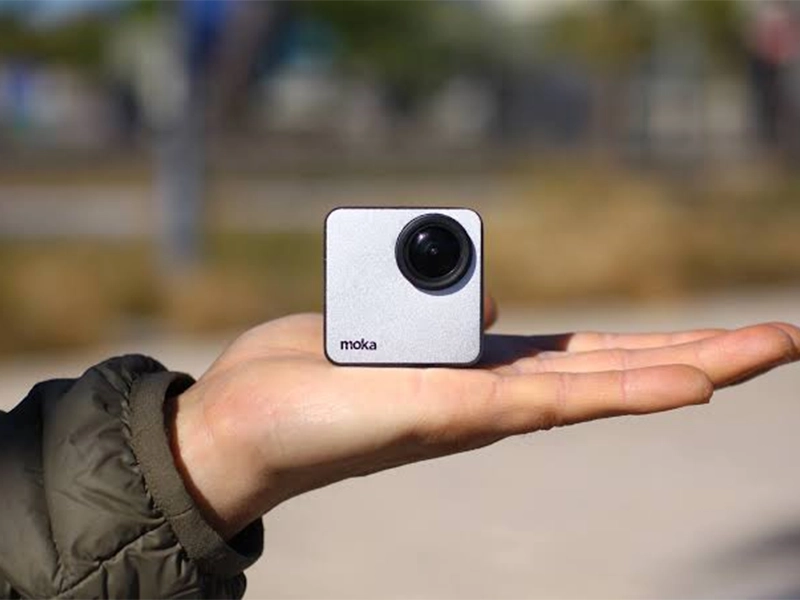
The Mokacam 4K Sports and Action Camera: Tiny but Powerful
How to Choose the Best Document Scanner for Your Needs