Apple has just dropped what it calls its broadest software design update ever: Apple Liquid Glass. Debuting at WWDC 2025, this fresh design language spans iOS 26, iPadOS 26, macOS Tahoe, watchOS 26, tvOS 26, and visionOS 26 Here's what Apple Liquid Glass brings to the table—and why it matters. What Is Apple Liquid Glass? At its core, Liquid Glass is a dynamic, translucent material. UI elements like buttons, sliders, menus, and sidebars now refract light, reflect their surroundings, and adapt to user interactions—much like wearing technology in 3D. This marks the most visually striking shift since iOS 7, borrowing aesthetic cues from visionOS and the original Mac OS X Aqua but pushing them into motion and depth . [embed]https://www.apple.com/newsroom/videos/2025/autoplay/06/apple-introduces-a-delightful-and-elegant-new-software-design/apple-wwdc25-liquid-glass-details/large_2x.mp4[/embed] Key Design Features and Principles 1. Optical, Real-Time Effects Controls visibly shimmer; menus dynamically expand from tapped points; and elements refract the color behind them, creating...
Apple has just dropped what it calls its broadest software design update ever: Apple Liquid Glass. Debuting at WWDC 2025, this fresh design language spans iOS 26, iPadOS 26, macOS Tahoe, watchOS 26, tvOS 26, and visionOS 26
Here's what Apple Liquid Glass brings to the table—and why it matters.
What Is Apple Liquid Glass?
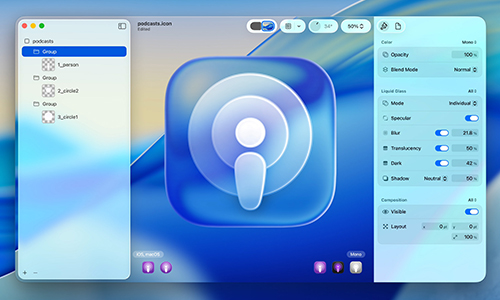
At its core, Liquid Glass is a dynamic, translucent material. UI elements like buttons, sliders, menus, and sidebars now refract light, reflect their surroundings, and adapt to user interactions—much like wearing technology in 3D. This marks the most visually striking shift since iOS 7, borrowing aesthetic cues from visionOS and the original Mac OS X Aqua but pushing them into motion and depth .
[embed]https://www.apple.com/newsroom/videos/2025/autoplay/06/apple-introduces-a-delightful-and-elegant-new-software-design/apple-wwdc25-liquid-glass-details/large_2x.mp4[/embed]
Key Design Features and Principles
1. Optical, Real-Time Effects
Controls visibly shimmer; menus dynamically expand from tapped points; and elements refract the color behind them, creating a sense of presence rather than presentation.
2. Cross-Platform Consistency
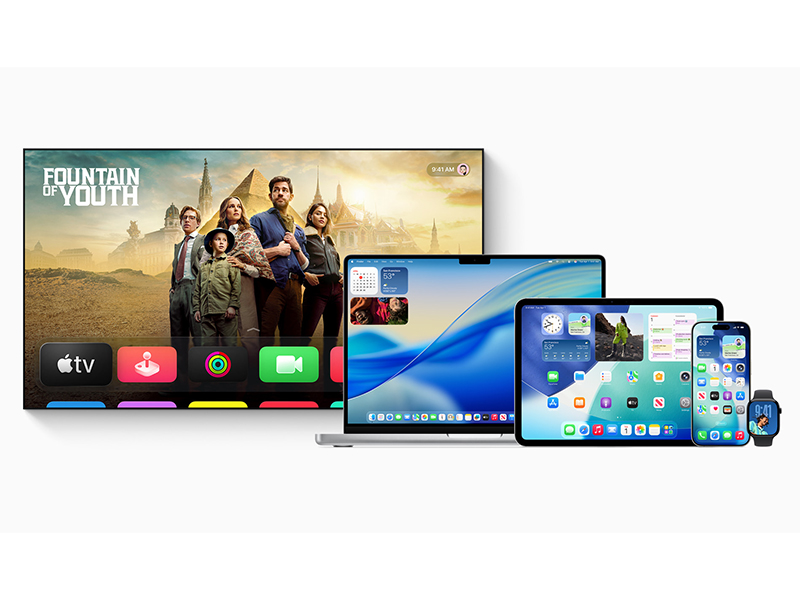
This design isn’t confined to iPhones. macOS Tahoe features transparent menu bars and sidebars that mirror wallpaper color hues. iPadOS, watchOS, tvOS, and visionOS all embrace the same principles.
3. Fluid, Content-Aware Responsiveness
Tab bars contract while scrolling to maintain focus. Lock Screen time adapts to wallpapers dynamically, fitting organically with the background.
4. Toolkits for Developers
Apple has released new APIs across SwiftUI, UIKit, and AppKit so developers can integrate Liquid Glass materials in third‑party apps.
What Users Will Experience
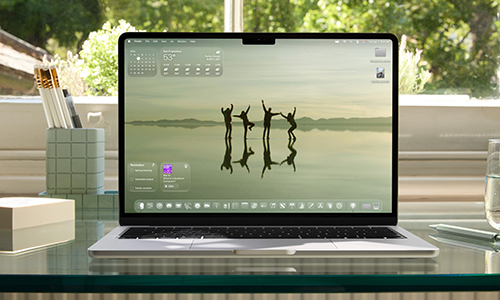
- A cohesive feel: Every device behaves comparably, making transitions effortless.
- Immersive environments: UIs now feel more “inside” than “on top” of your content.
- Subtle yet sensory motion: Micro-interactions—like ripple effects—reinforce sense of touch
But not all critics are convinced. Some see the new style as visually “busy” and question its practical impact on efficiency .
Why Apple Chose This Moment
With Apple's devices becoming more interconnected than ever—and new form factors like Vision Pro and soon AR glasses—cohesion is critical. Liquid Glass gives Apple a unified aesthetic language to underpin this cross-device ecosystem .
Strategic Goals Behind the Design
- Reinforce ecosystem lock-in: Familiarity builds loyalty.
- Bridge legacy platforms: Modernizes desktops, tablets, and phones under a single look.
- Lay groundwork for spatial/UI future: An aesthetic that scales up to Vision Pro and beyond.
Developer Takeaways
- New API adoption: Use material components for authentically integrated apps.
- Design harmony: Align app toolbars, icons, and sidebars with the Liquid Glass system.
- Visual performance: Optimize to leverage real-time species, dynamics, and translucency.
- Apple’s Human Interface Guidelines encourage subtlety: reflections and translucency should emphasize content hierarchy and usability—not overwhelm it
Criticisms and Caveats
- Readability concerns: Constant shimmer may reduce clarity across lighting conditions.
- Processing overhead: Real-time rendering may tax older devices.
- Visual clutter: Some reviewers find the added depth distracts rather than enhances
The Road Ahead: What This Signals
Apple's embrace of Liquid Glass is about more than aesthetics; it’s:
- A foundation for AR/Spatial UX across future hardware
- A vote of confidence in Apple Silicon’s GPU capabilities
- A push towards developer-driven ecosystem cohesion with style easy to build and maintain
Apple Liquid Glass represents a bold leap in visual and functional design—dynamic, immersive, and cohesive across devices. For everyday users, it promises a more responsive and harmonious experience. For developers, it offers new tools to elevate interaction design. That said, adoption will hinge on balancing beauty with clarity and performance.
As Apple rolls out this update later this year, the true test will be how well it strengthens the bridge between our devices and our lives—all through the subtle magic of Liquid Glass.
Can a Smart Home Work Without Internet? Explained
Solana’s Worth in Future: What Could 1 SOL Be Worth?
How to Wake Up the System From Sleep Mode on Any Computer
The Mokacam 4K Sports and Action Camera: Tiny but Powerful