When the Nikon Coolpix P300 first appeared, it felt bold. A pocket-sized camera with a fast f/1.8 lens, manual controls, and full HD video wasn’t common at the time. Years later, the camera world looks very different — smartphones dominate casual photography, and compact cameras fight for relevance. So where does the Nikon Coolpix P300 stand now? This isn’t about pretending it competes with modern gear. It’s about understanding why it mattered, what still works, and who it still makes sense for today. Why the Nikon Coolpix P300 Stood Out The P300 arrived during a turning point for compact cameras. Nikon packed features usually reserved for larger cameras into a body that could slip into a jacket pocket. Key highlights included: A bright f/1.8 lens at the wide end Manual and semi-manual shooting modes 1080p video recording RAW support, uncommon...
When the Nikon Coolpix P300 first appeared, it felt bold. A pocket-sized camera with a fast f/1.8 lens, manual controls, and full HD video wasn’t common at the time. Years later, the camera world looks very different — smartphones dominate casual photography, and compact cameras fight for relevance.
So where does the Nikon Coolpix P300 stand now?
This isn’t about pretending it competes with modern gear. It’s about understanding why it mattered, what still works, and who it still makes sense for today.
Why the Nikon Coolpix P300 Stood Out
The P300 arrived during a turning point for compact cameras. Nikon packed features usually reserved for larger cameras into a body that could slip into a jacket pocket.
Key highlights included:
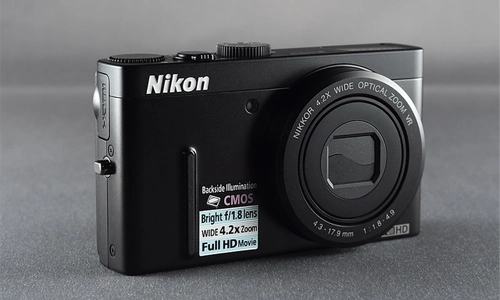
- A bright f/1.8 lens at the wide end
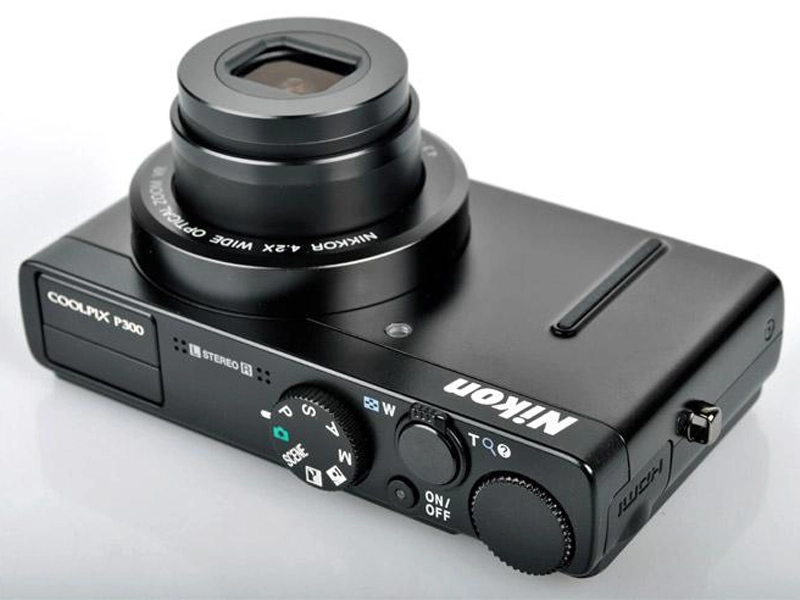
- Manual and semi-manual shooting modes
- 1080p video recording
- RAW support, uncommon for compacts of its era
At the time, this made the P300 appealing to enthusiasts who wanted control without carrying a DSLR.
How It Holds Up Today
Let’s be honest — the P300 shows its age. Its small sensor struggles in low light compared to modern phones, autofocus is slower, and there’s no wireless connectivity. But that doesn’t make it irrelevant.
Where it still performs:
- Daylight photography: Sharp images with pleasing contrast
- Street and travel shooting: Lightweight and discreet
- Creative control: Manual exposure teaches photographic fundamentals
Where it falls short:
- Low-light noise compared to modern sensors
- Limited dynamic range
- Video quality that feels dated by today’s standards
Why People Still Use Cameras Like the P300
There’s a quiet shift happening in tech culture — people are rediscovering older devices for the experience, not just performance.
The Nikon Coolpix P300 offers:
- A distraction-free shooting process
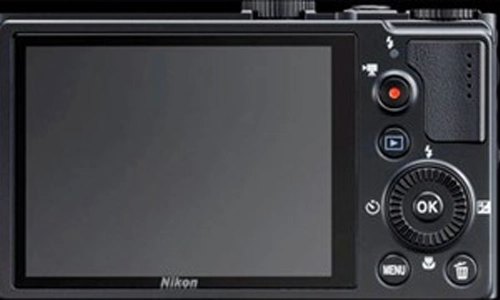
- Physical buttons instead of touchscreens
- A slower, more intentional way to take photos
For hobbyists, beginners, or creators tired of computational photography, that simplicity has value.
P300 vs Smartphone Photography
Modern phones win in convenience and low-light processing. But the P300 still offers something phones don’t fully replicate:
- True optical zoom
- Manual exposure control without apps
- A dedicated camera feel that encourages learning
For someone exploring photography fundamentals, the P300 can still serve as a capable practice tool.
Who the Nikon Coolpix P300 Makes Sense For Today
This camera still fits certain users well:
- Photography learners wanting manual controls
- Vintage tech enthusiasts
- Casual shooters who enjoy compact cameras
- Creators experimenting with older digital aesthetics
It’s not ideal for professional work or demanding video projects, but that was never its goal.
Should You Buy One Now?
If you find a well-maintained Nikon Coolpix P300 at a reasonable price, it can still be enjoyable — especially as a secondary or learning camera. Just don’t expect modern speed, connectivity, or low-light performance.
Think of it as a creative tool, not a replacement for current tech.
The Nikon Coolpix P300 doesn’t need to compete with today’s cameras to remain relevant. Its value lies in what it represents — a time when compact cameras balanced simplicity and control in a way that still feels refreshing.
For readers today, the lesson is clear: not all older tech becomes obsolete. Some devices age into character, and the P300 is a perfect example of that quiet evolution.


Can a Smart Home Work Without Internet? Explained
Solana’s Worth in Future: What Could 1 SOL Be Worth?
How to Wake Up the System From Sleep Mode on Any Computer
The Mokacam 4K Sports and Action Camera: Tiny but Powerful