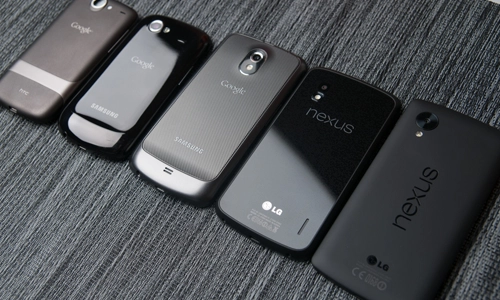
For six years, Google's Nexus line represented the pinnacle of Android experience. From the groundbreaking Nexus One in 2010 to the final Nexus 6P and 5X in 2015, these devices were meant to showcase pure Android in its most refined form. Yet by October 2016, Google had quietly discontinued the entire Nexus program, replacing it with the Pixel line. What went wrong? Why did Google abandon a brand that had garnered such devoted following among Android enthusiasts? The Promise That Couldn't Be Kept The Nexus program launched with ambitious goals: deliver cutting-edge hardware at affordable prices, provide timely Android updates, and give developers and enthusiasts access to pure, unmodified Android. For a while, it worked brilliantly. The early Nexus devices were beloved by tech enthusiasts and developers who craved stock Android without carrier bloatware or manufacturer skins. However, the very...
For six years, Google's Nexus line represented the pinnacle of Android experience. From the groundbreaking Nexus One in 2010 to the final Nexus 6P and 5X in 2015, these devices were meant to showcase pure Android in its most refined form. Yet by October 2016, Google had quietly discontinued the entire Nexus program, replacing it with the Pixel line. What went wrong? Why did Google abandon a brand that had garnered such devoted following among Android enthusiasts?
The Promise That Couldn't Be Kept
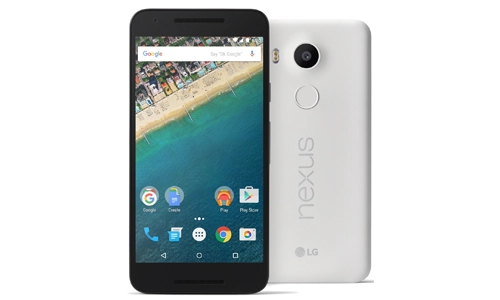
The Nexus program launched with ambitious goals: deliver cutting-edge hardware at affordable prices, provide timely Android updates, and give developers and enthusiasts access to pure, unmodified Android. For a while, it worked brilliantly. The early Nexus devices were beloved by tech enthusiasts and developers who craved stock Android without carrier bloatware or manufacturer skins.
However, the very nature of the Nexus program contained the seeds of its own destruction. Google partnered with various manufacturers for each device, resulting in inconsistencies in build quality, design philosophy, and long-term support. This partnership model, while allowing for diverse hardware approaches, ultimately became the program's Achilles' heel.
The Battery Crisis: A Recurring Nightmare
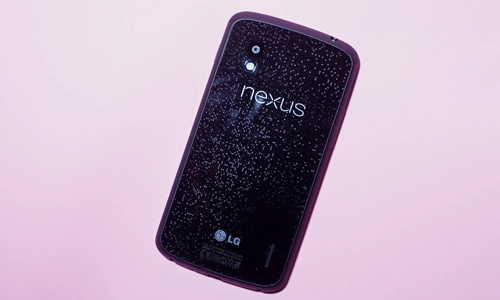
Perhaps no issue plagued the Nexus line more consistently than battery problems. These weren't just minor inconveniences – they were device-killing flaws that drove users away in droves.
Nexus 6P: The Battery Shutdown Scandal
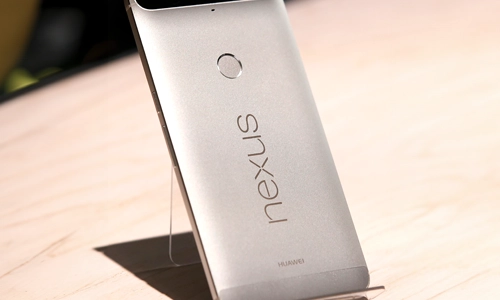
The Nexus 6P, manufactured by Huawei and released in 2015, suffered from perhaps the most notorious battery issue in Nexus history. Following the Android Nougat update, complaints about early shutdown issues dramatically increased, with devices shutting down at 15-30% battery levels. The issue appeared to be that the battery didn't have quite as much charge as the phone thought it did, so Android's software-based battery meter could be reporting 15% charge when there was really only 1% left.
This wasn't just a software glitch – it was a fundamental hardware flaw that made the devices unreliable for daily use. Users reported that their phones would suddenly die during important calls, navigation, or photography sessions. The problem was so widespread that it spawned class-action lawsuits, forcing Google and Huawei to offer replacement programs.
Nexus 5: The Quick Death Syndrome
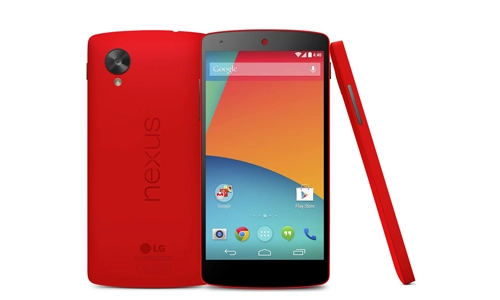
The popular Nexus 5 was plagued by rapid battery degradation and calibration issues. Users frequently reported that their devices would show inconsistent battery readings, drain rapidly, or shut down unexpectedly. The battery life was already mediocre when new, but it deteriorated quickly, leaving users with devices that barely lasted half a day after just a year of use.
Nexus 7 (2012): The Tablet That Wouldn't Charge
The first-generation Nexus 7 tablet became infamous for developing charging issues over time. Many units simply stopped accepting charge, effectively turning into expensive paperweights. The problem was so common that it became a running joke in Android forums.
Model-Specific Problems: A Catalog of Issues
Nexus One (2010)
- The Touch Screen Disaster: Multitouch issues and phantom touches
- 3G Connectivity Problems: Weak signal reception and dropped calls
- Build Quality: Trackball reliability issues
Nexus S (2010)
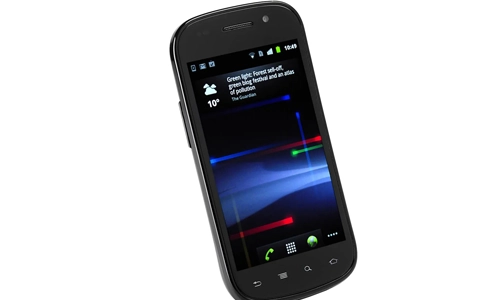
- The Curved Screen Gamble: While innovative, the curved display was prone to cracking
- Limited Storage: No expandable storage in an era when 16GB wasn't enough
- Weak GPS: Poor satellite lock and navigation accuracy
Galaxy Nexus (2011)
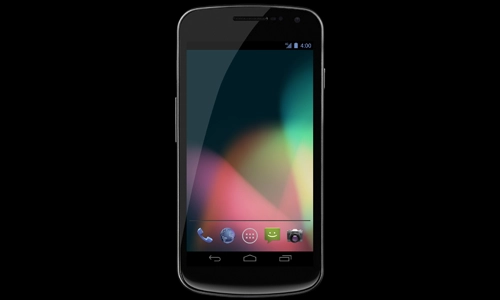
- Display Quality: Poor color reproduction and low brightness
- Battery Life: Abysmal endurance, barely lasting a day
- Build Quality: Cheap plastic construction that felt dated even at launch
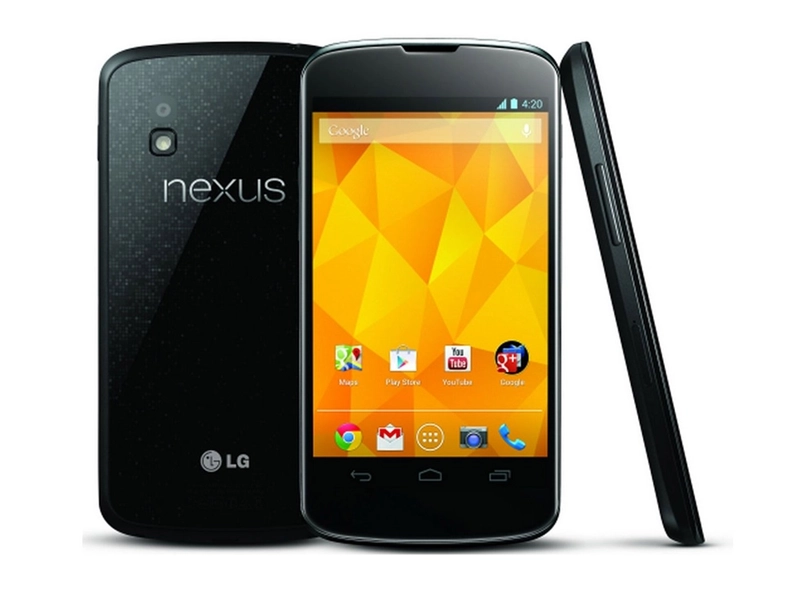
Nexus 4 (2012)
- No LTE: Launched without 4G support in the LTE era
- Glass Back Disaster: Extremely fragile rear panel that shattered easily
- Thermal Issues: Overheating during intensive tasks
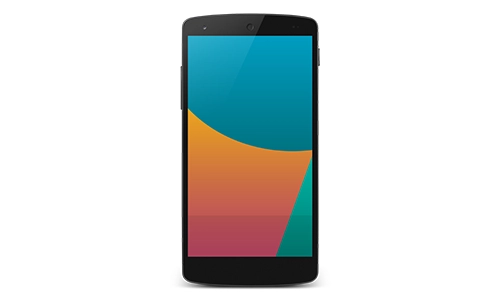
Nexus 5 (2013)
- Camera Disappointment: Poor low-light performance and slow focusing
- Battery Degradation: Rapid capacity loss over time
- Weak Speaker: Poor call quality and media playback
Nexus 6 (2014)
- Size Controversy: Too large for many users, abandoning the compact Nexus formula
- Premium Price: Expensive pricing that contradicted Nexus affordability
- Encryption Performance: Significant slowdown due to forced encryption
Nexus 6P (2015)
- Battery Gate: The infamous shutdown issue that defined the device's legacy
- Bend Gate: Structural weakness leading to device bending
- Bootloop Issues: Random bootloops that rendered devices unusable
Nexus 5X (2015)
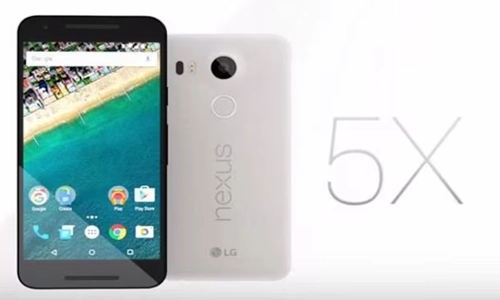
- The Bootloop Killer: Widespread bootloop issues that killed devices permanently
- Performance Throttling: Snapdragon 808 thermal issues causing slowdowns
- Limited RAM: 2GB was insufficient even at launch
The Partnership Problem
Google's decision to work with different manufacturers for each Nexus device created fundamental problems:
- Inconsistent Quality Control: Each manufacturer brought their own standards and shortcuts
- Limited Long-term Support: Partners had little incentive to provide extended support for older devices
- Supply Chain Issues: Frequent stock shortages and regional availability problems
- Design Conflicts: Manufacturers often compromised on Google's vision to meet price points
The Timeline of Decline
- 2010-2012: The Golden Era - Nexus devices were revolutionary and set Android standards
- 2013-2014: Growing Pains - Issues became more apparent but were often overlooked
- 2015: The Breaking Point - Nexus 6P and 5X launched with serious hardware flaws
- 2016: The End - Google quietly discontinued the line in October, focusing on Pixel
The Nexus line started in January 2010 and reached its end in October 2016, replaced by Google Pixel family. All Nexus devices are now discontinued and unsupported, with support having ended years ago for most models.
Why Google Pulled the Plug
The decision to kill Nexus wasn't sudden – it was the culmination of years of mounting problems:
1. Hardware Quality Control Crisis
The recurring hardware issues, especially the battery problems, severely damaged the Nexus brand's reputation. Google realized they couldn't maintain quality while relying on external manufacturers who prioritized cost-cutting.
2. Market Position Confusion
Nexus devices existed in an awkward middle ground – too expensive for budget-conscious users but lacking the premium features expected at higher price points. They satisfied neither mainstream consumers nor the enthusiast market effectively.
3. Profit Margins
The low-margin Nexus business model was unsustainable. Google was essentially subsidizing Android development through hardware sales, which made little business sense as Android became dominant.
4. Control Issues
Working with different manufacturers meant Google had limited control over the complete user experience. Hardware quirks and quality issues reflected poorly on Google, despite being largely out of their direct control.
The Pixel Solution
Learning from Nexus failures, Google launched the Pixel line with a fundamentally different approach:
- Direct hardware control and responsibility
- Premium pricing that supports better components and quality control
- Focus on specific market segments rather than trying to please everyone
- Integration of Google services as key differentiators
Current State: Where Are Nexus Users Now?
Google supported all Nexus devices with monthly security updates for 3 years after release or 18 months after they left the Google Store. This means all Nexus devices are now running on outdated, potentially vulnerable software.
Most Nexus users have migrated to:
- Pixel devices: The natural successor for stock Android lovers
- OnePlus phones: Offering clean, fast Android experiences
- Custom ROMs: Enthusiasts keeping old Nexus devices alive with community-developed firmware
- Other manufacturers: Samsung, Xiaomi, and others who've improved their Android skins
Frequently Asked Questions
What are the main problems with Google Nexus devices?
The most common issues included battery problems (especially premature shutdowns and rapid degradation), bootloop failures, build quality issues, poor cameras, and inadequate customer support. Each model had specific flaws that made long-term ownership problematic.
Why did Google stop making Nexus phones?
Google discontinued Nexus due to recurring hardware quality issues, unsustainable profit margins, lack of direct control over manufacturing, and the need to compete more effectively in the premium smartphone market. The partnership model with different manufacturers created too many compromises.
Are Nexus phones still available for purchase?
No, Google officially discontinued all Nexus devices in October 2016. You can only find them through third-party sellers or used device markets, but buying them isn't recommended due to lack of security updates and known hardware issues.
How many people still use Google Nexus phones?
Usage numbers are extremely low and declining rapidly. Most Nexus devices are now 7+ years old, run outdated software, and suffer from degraded batteries and other age-related issues. The active user base is primarily enthusiasts running custom firmware.
Why did Google discontinue Nexus instead of fixing the problems?
Rather than attempting to fix the fundamental issues with the partnership manufacturing model, Google chose to start fresh with the Pixel line. This allowed them to have direct control over hardware design, manufacturing, and quality control – something impossible with the Nexus model.
What replaced the Google Nexus line?
The Google Pixel series replaced Nexus, launching in October 2016. Pixel devices offer the same stock Android experience but with Google taking direct responsibility for hardware design and manufacturing, resulting in better quality control and customer support.
Is it safe to use a Nexus phone now?
Using a Nexus device is not recommended now. All models have been discontinued for years, receive no security updates, and are plagued by known hardware issues. The devices are vulnerable to security threats and likely to experience hardware failures.
What was the best Nexus phone ever made?
The Nexus 5 (2013) is often considered the best overall Nexus device, offering excellent performance, a clean design, and reasonable pricing. However, it suffered from battery issues and camera problems. The Nexus 4 and original Nexus 7 tablet also have strong followings despite their flaws.
Lessons for the Future
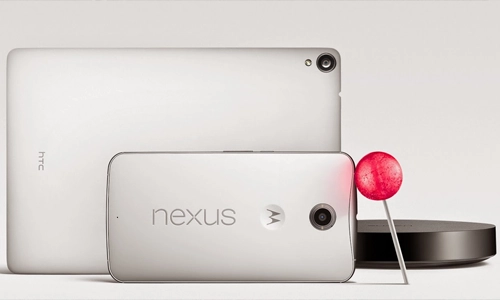
The Nexus story serves as a cautionary tale about the challenges of hardware partnerships, the importance of quality control, and the dangers of trying to serve too many masters. While the line produced some memorable devices and pushed Android forward significantly, its ultimate failure highlighted the need for more direct control over the complete user experience.
Google's transition to Pixel shows they learned these lessons, prioritizing quality over quantity and taking full responsibility for their hardware products. The Nexus line may be gone, but its influence on Android development and smartphone design continues to this day.
The rise and fall of Google Nexus represents one of the most significant chapters in Android history – a reminder that even the best intentions can't overcome fundamental structural problems in product development and manufacturing.
Have you owned a Nexus device? Share your experiences with us now.


Can a Smart Home Work Without Internet? Explained
Solana’s Worth in Future: What Could 1 SOL Be Worth?
How to Wake Up the System From Sleep Mode on Any Computer
The Mokacam 4K Sports and Action Camera: Tiny but Powerful