Is your Android phone running slower than a snail on a lazy Sunday? You're not alone. Most electronic devices slow down with use and age, but the good news is that you don't need to rush out and buy a new phone just yet. With the right techniques and optimizations, you can breathe new life into your sluggish Android device and make it feel snappy again. Whether your phone takes forever to open apps, freezes during important tasks, or just feels generally unresponsive, this comprehensive guide will walk you through proven methods to speed up your Android phone. From simple cleaning techniques to advanced developer tricks, we'll cover everything you need to know to get your device running like new. Why Do Android Phones Slow Down Over Time? Before diving into solutions, it's important to understand why your phone...
Is your Android phone running slower than a snail on a lazy Sunday? You're not alone. Most electronic devices slow down with use and age, but the good news is that you don't need to rush out and buy a new phone just yet. With the right techniques and optimizations, you can breathe new life into your sluggish Android device and make it feel snappy again.
Whether your phone takes forever to open apps, freezes during important tasks, or just feels generally unresponsive, this comprehensive guide will walk you through proven methods to speed up your Android phone. From simple cleaning techniques to advanced developer tricks, we'll cover everything you need to know to get your device running like new.
Why Do Android Phones Slow Down Over Time?

Before diving into solutions, it's important to understand why your phone gets slower in the first place. Several factors contribute to declining performance:
Storage Accumulation: Over time, your phone accumulates cached data, temporary files, downloaded content, and app data that can clog up your storage and RAM.
App Overload: Installing numerous apps means more background processes consuming system resources, even when you're not actively using them.
Outdated Software: Running old versions of Android or apps can lead to compatibility issues and inefficient resource usage.
Hardware Degradation: Like any electronic device, components like RAM, storage, and processors can experience wear over time.
Memory Fragmentation: As you install and uninstall apps repeatedly, your device's memory can become fragmented, making it less efficient.
Immediate Quick Fixes (5 Minutes or Less)

1. Restart Your Phone Regularly
The simplest and most effective immediate fix is restarting your device. A restart clears temporary files, stops unnecessary background processes, and gives your phone a fresh start. Make it a habit to restart your phone at least once a week, or daily if you're experiencing significant slowdowns.
How to do it: Hold the power button and select "Restart" or "Reboot" from the menu.
2. Close Background Apps
While Android is designed to manage background apps efficiently, having too many open simultaneously can slow down performance, especially on older devices or those with limited RAM.
How to do it:
- Use the recent apps button (square or three lines icon)
- Swipe away apps you're not actively using
- For a complete clear, use "Close All" if available
3. Clear Cache Data
Cached files from apps like social media, browsers, and games pile up and slow down performance. Clearing cache weekly can significantly improve performance.
How to clear app cache:
- Go to Settings > Apps & notifications
- Select the app > Storage & cache
- Tap "Clear cache"
How to clear system cache:
- Settings > Storage > Cached data
- Tap to clear all cached data
Deep Cleaning and Optimization

4. Free Up Storage Space
When your storage is nearly full, your phone slows to a crawl. Aim to keep at least 10-15% of your storage free for optimal performance.
Storage cleanup checklist:
- Photos and Videos: Back up to cloud storage and delete originals
- Downloads Folder: Clear out old files, documents, and downloads
- Music and Podcasts: Remove offline content you no longer need
- Large Apps: Identify and remove apps you rarely use
- WhatsApp Media: Clear chat media or set auto-delete timers
5. Uninstall Unnecessary Apps
Every app you install may potentially run background processes and consume resources. Be ruthless about removing apps you haven't used in the past month.
How to identify resource-heavy apps:
- Settings > Battery > Battery usage
- Settings > Apps > see which apps consume most memory
- Look for apps with high data usage you don't remember using
6. Disable Bloatware and Unused Pre-installed Apps
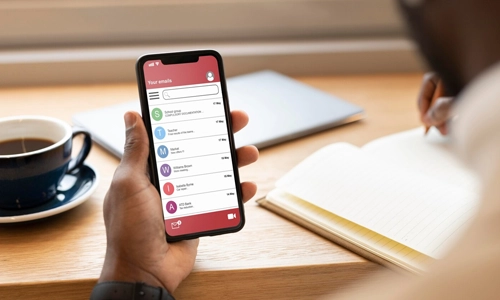
Most Android phones come with pre-installed apps (bloatware) that you can't uninstall but can disable.
How to disable apps:
- Settings > Apps & notifications
- Find the app > Disable
- Note: Only disable apps you're sure you don't need
7. Update Everything
Keeping your software current ensures you have the latest performance optimizations and security patches.
Update checklist:
- System Updates: Settings > System > System update
- App Updates: Google Play Store > My apps & games > Update all
- Google Play Services: This often updates automatically but check manually if experiencing issues
Advanced Performance Tweaks
8. Optimize Developer Options
Developer options contain powerful tools to enhance performance, but use them carefully as incorrect settings can cause issues.
How to enable Developer Options:
- Settings > About phone
- Tap "Build number" seven times
- Go back to Settings > Developer options
Key performance settings in Developer Options:
- Window Animation Scale: Set to 0.5x (instead of 1x) for faster app transitions
- Transition Animation Scale: Set to 0.5x for quicker screen transitions
- Animator Duration Scale: Set to 0.5x for faster animations
- Background Process Limit: Set to "At most 4 processes" to limit background apps
- Don't Keep Activities: Enable this to close apps immediately when you leave them (use with caution as it may cause some apps to behave unexpectedly)
9. Manage Startup Apps and Services

Some apps automatically start when you boot your phone, consuming resources from the moment you turn it on.
Using built-in tools:
- Settings > Apps > Special access > Device admin apps
- Disable unnecessary admin apps
- Settings > Apps > Default apps > Opening links (disable apps that don't need to open links)
10. Optimize Display and Visual Effects
High-resolution displays and fancy animations look great but consume processing power.
Display optimizations:
- Reduce Screen Resolution: Settings > Display > Screen resolution (if available)
- Lower Refresh Rate: Change from 120Hz to 60Hz in Display settings
- Disable Live Wallpapers: Use static wallpapers instead
- Reduce Motion Effects: Settings > Accessibility > Visibility enhancements > Remove animations
11. Battery and Power Management
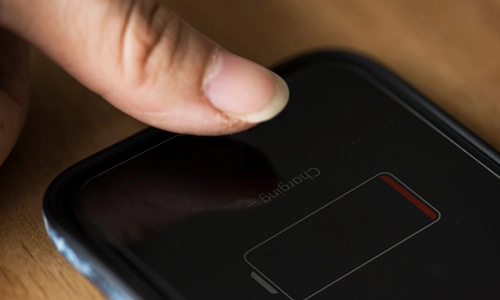
Poor battery health can directly impact performance as your phone may throttle CPU speeds to preserve power.
Battery optimization steps:
- Adaptive Battery: Settings > Battery > Adaptive Battery (enable)
- Battery Optimization: Settings > Apps > Special access > Optimize battery usage
- Power Saving Mode: Use selectively when needed, but avoid as default
- Check Battery Health: Settings > Battery > Battery Health (if available)
Network and Connectivity Optimization
12. Manage Network Settings

Poor network performance can make your phone feel slow, especially when apps are constantly trying to sync data.
Network optimizations:
- Reset Network Settings: Settings > System > Reset > Reset network settings
- Disable Automatic App Updates on Mobile Data: Play Store > Settings > Auto-update apps > Over Wi-Fi only
- Limit Background Data: Settings > Network & internet > Data usage > App data usage
13. Clean Up Storage with Smart Tools
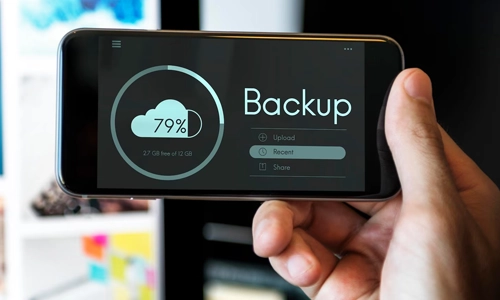
Modern Android versions include built-in storage management tools that can automatically clean up junk files.
Using Smart Storage:
- Settings > Storage > Smart Storage
- Enable automatic removal of backed-up photos and videos
- Set up automatic trash cleanup
App-Specific Optimizations
14. Browser Optimization
The default web browser on Android is Chrome, and it's a pretty resource-heavy app. Consider these optimizations:
Chrome optimizations:
- Clear browsing data regularly
- Disable JavaScript on sites that don't need it
- Use Chrome's Data Saver mode
- Consider lighter alternatives like Firefox Focus or Opera Mini
15. Social Media App Management

Social media apps are notorious resource hogs. Consider these alternatives:
- Use web versions instead of apps when possible
- Use Facebook Lite instead of the full Facebook app
- Disable auto-play videos in social media apps
- Clear cache for social media apps weekly
16. Gaming Performance
For mobile gamers, specific optimizations can improve gaming performance:
- Game Mode: Enable if your phone has one (Settings > Gaming or Game Mode)
- Close All Apps: Before gaming sessions
- Use Gaming Accessories: External controllers can reduce touch processing load
- Lower Graphics Settings: In individual games
Hardware Solutions and Considerations
17. Factory Reset (Nuclear Option)
If nothing else works, a factory reset gives you a completely fresh start. This should be your last resort as it erases everything.
Before factory reset:
- Back up all important data
- Note down all your app logins
- Ensure photos and videos are backed up
How to factory reset:
- Settings > System > Reset > Erase all data (factory reset)
- Follow the prompts carefully
18. Consider Hardware Upgrades
For some devices, hardware upgrades might be possible:
- MicroSD Card: For expandable storage (if supported)
- External Storage: Use USB OTG drives for temporary file storage
- Wireless Charger: Reduces wear on charging port
19. Check for Hardware Issues
Sometimes slowness is due to hardware problems:
- Overheating: Ensure proper ventilation and avoid extreme temperatures
- Physical Damage: Cracked screens or water damage can affect performance
- Battery Degradation: Consider battery replacement if your phone is 2+ years old
Maintenance Schedule for Optimal Performance

To keep your Android phone running smoothly, follow this regular maintenance schedule:
Daily (30 seconds):
- Close unnecessary background apps
- Check available storage
Weekly (5 minutes):
- Restart your phone
- Clear cache for heavy-use apps
- Delete unnecessary photos/videos
Monthly (15 minutes):
- Update all apps and system software
- Clean Downloads folder
- Review and uninstall unused apps
- Clear social media app caches
Quarterly (30 minutes):
- Deep clean storage
- Review developer options settings
- Check battery usage statistics
- Backup important data
Red Flags: When It's Time for a New Phone
Sometimes, no amount of optimization can help an aging device. Consider upgrading if:
- Your phone is more than 4-5 years old
- It frequently overheats during normal use
- Battery life is less than a few hours with minimal usage
- Apps crash constantly despite optimization
- Security updates are no longer available
- Storage is permanently full despite cleanup efforts
Frequently Asked Questions

Why is my phone running so slow?
Your phone may be running slow due to several factors: insufficient storage space, too many background apps, outdated software, accumulated cache and temporary files, or hardware aging. Start with basic maintenance like restarting your phone, clearing cache, and closing background apps to see immediate improvement.
How to make your phone quicker?
To make your phone quicker: restart it regularly, free up storage space, close background apps, clear app caches, update software, disable unnecessary apps, and optimize developer settings like reducing animation scales to 0.5x. These simple steps can significantly improve responsiveness.
How to fix a slow Android phone?
Fix a slow Android phone by following this order: restart the device, clear storage space (aim for 10-15% free), uninstall unused apps, clear app caches, update all software, disable bloatware, and adjust developer options for faster animations. If problems persist, consider a factory reset.
How to speed up your Android phone?
Speed up your Android phone through systematic optimization: manage storage (remove old photos/videos), limit background processes in developer options, use lighter app alternatives, optimize display settings (lower resolution/refresh rate), enable adaptive battery, and maintain regular cleanup schedules.
How to make phone faster with developer options?
Access Developer Options by tapping "Build number" 7 times in About Phone. Key settings to improve speed: set Window Animation Scale to 0.5x, Transition Animation Scale to 0.5x, Animator Duration Scale to 0.5x, limit Background Process Limit to "At most 4 processes," and optionally enable "Don't keep activities" for immediate app closing.
Why is my Android phone slow?
Android phones slow down due to storage accumulation (cached data, temporary files), too many installed apps running background processes, outdated software causing compatibility issues, memory fragmentation from repeated app installations/removals, and natural hardware degradation over time.
How to know if my phone is slow?
Your phone is slow if it: takes more than 3-5 seconds to open apps, experiences lag during scrolling or typing, frequently freezes or becomes unresponsive, has delayed response to touches, takes long to switch between apps, or shows "app not responding" messages frequently.
Is it normal for mobile phones to freeze?
Occasional freezing can be normal, especially on older devices or when running resource-intensive apps. However, frequent freezing (multiple times per day) indicates underlying issues like insufficient RAM, storage problems, software bugs, overheating, or failing hardware that need attention.
How to fix a slow and freezing phone?
Fix a slow and freezing phone by: force-restarting when frozen (hold power button 10+ seconds), freeing up storage space, closing background apps, clearing system and app caches, updating software, checking for overheating, disabling unnecessary features, and performing a factory reset if problems persist.
Does clearing cache really help phone speed?
Yes, clearing cache helps phone speed by removing temporary files that can accumulate and slow down app loading times. Doing this weekly helps free up space and ensures smoother app performance. However, apps may take slightly longer to load initially after cache clearing as they rebuild necessary cache files.
Can too many apps make my phone slower?
Yes, too many apps significantly slow your phone by consuming RAM through background processes, using CPU cycles for updates and notifications, taking up storage space, and creating more system overhead. Uninstall apps you haven't used in 30+ days and disable unnecessary pre-installed apps.
How much storage should I keep free on my Android?
Keep at least 10-15% of your total storage free for optimal performance. For example, on a 64GB phone, maintain 6-10GB free space. When storage is nearly full, Android struggles with basic operations like creating temporary files, installing updates, and running apps smoothly.
Will a factory reset make my phone faster?
A factory reset can make your phone significantly faster by removing all accumulated data, stopping problematic background processes, clearing fragmented memory, and returning settings to optimized defaults. However, it's a last resort since you'll lose all data and need to reinstall everything.
How often should I restart my Android phone?
Restart your Android phone at least once a week for maintenance, or daily if you're experiencing performance issues. Regular restarts clear temporary files, stop problematic background processes, reload system services, and give your device a fresh start, often resolving minor performance issues.
Do live wallpapers slow down Android phones?
Yes, live wallpapers can slow down Android phones by continuously using CPU and GPU resources to animate, consuming battery power, using additional RAM for graphics processing, and competing with other apps for system resources. Switch to static wallpapers for better performance, especially on older devices.
A Faster Android is Within Reach
Making your Android phone faster doesn't require technical expertise or expensive upgrades. By following the strategies outlined in this guide, you can significantly improve your device's performance and extend its useful life. Start with the quick fixes like restarting your phone and clearing cache, then gradually implement more advanced optimizations as needed.
Remember that consistency is key. Regular maintenance prevents many performance issues from developing in the first place. Set up a simple weekly routine of restarting your phone, clearing cache, and managing storage, and you'll notice a dramatic difference in how responsive your device feels.
The techniques in this guide work for Android devices of all ages, from the latest flagships to phones that are several years old. While newer phones will always have performance advantages, even an older Android device can feel snappy and responsive with proper optimization.
Don't let a slow phone frustrate you or push you toward an unnecessary upgrade. With a little time and effort, you can restore that "new phone" feeling and keep your Android device running smoothly for years to come.
Pro Tip: Bookmark this guide and refer back to it monthly. Regular maintenance is the secret to maintaining peak Android performance over the long term.




Catching Zzz’s on the Go: Why Sleep Tourism is the Hottest Travel Trend
How Much to Invest in Ethereum Today as a Beginner
Bedtime Mode: What It Is & How to Turn It On Easily
DNS to Block Ads: How to Stop Ads on Any Device Fast