Cars no longer rely on simple glass mirrors to show what’s behind them. Automakers now install smart rearview mirrors that replace or enhance traditional mirrors with cameras, sensors, and digital displays. These mirrors solve visibility problems that glass alone cannot fix. So, how smart rearview mirrors work is less about reflection and more about real-time data processing. From Glass to Camera-Based Vision Traditional rearview mirrors depend entirely on line of sight. Headrests, passengers, luggage, and poor lighting often block the view. Smart rearview mirrors eliminate this limitation by using a rear-mounted camera. The camera captures a wide-angle, high-resolution video feed of the road behind the car. The system sends this feed directly to a digital display embedded inside the mirror. Drivers see a clear, unobstructed view regardless of what sits inside the vehicle. The Technology Inside Smart Rearview Mirrors To...
Cars no longer rely on simple glass mirrors to show what’s behind them. Automakers now install smart rearview mirrors that replace or enhance traditional mirrors with cameras, sensors, and digital displays. These mirrors solve visibility problems that glass alone cannot fix.
So, how smart rearview mirrors work is less about reflection and more about real-time data processing.
From Glass to Camera-Based Vision
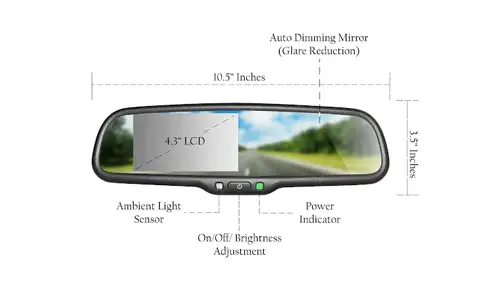
Traditional rearview mirrors depend entirely on line of sight. Headrests, passengers, luggage, and poor lighting often block the view. Smart rearview mirrors eliminate this limitation by using a rear-mounted camera.
The camera captures a wide-angle, high-resolution video feed of the road behind the car. The system sends this feed directly to a digital display embedded inside the mirror. Drivers see a clear, unobstructed view regardless of what sits inside the vehicle.
The Technology Inside Smart Rearview Mirrors
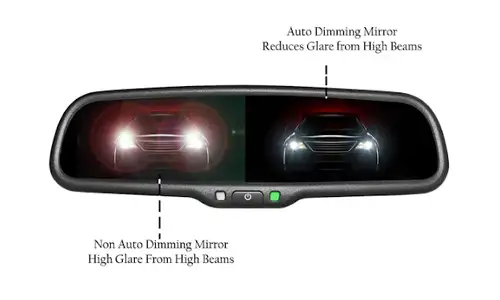
To understand how smart rearview mirrors work, it helps to break down their core components:
- Rear Camera: Mounted near the tailgate or license plate, it records live video in daylight and low-light conditions
- Image Processor: Enhances brightness, contrast, and sharpness in real time
- LCD or OLED Display: Replaces the reflective surface with a screen that looks like a mirror when active
- Sensors: Adjust exposure during rain, fog, or night driving
Many systems also allow drivers to switch between digital view and traditional mirror mode with a simple toggle.
Why Automakers Are Adopting Smart Mirrors
Smart rearview mirrors improve safety and comfort in ways glass mirrors cannot:
- They remove blind spots caused by passengers or cargo
- They perform better in low-light and nighttime driving
- They offer a wider field of view than standard mirrors
Luxury brands introduced the technology first, but mid-range vehicles now adopt it as costs drop and safety standards rise.
Advanced Features in Newer Models

Modern versions go beyond basic video display. Some smart rearview mirrors include:
- Auto-dimming to reduce glare from headlights
- Parking assist overlays with guidelines
- Integration with ADAS systems like blind-spot alerts
- Dashcam recording for security and accident evidence
These additions turn the mirror into a multi-purpose safety screen rather than a passive object.
Are There Any Downsides?
Despite the advantages, smart mirrors require a short adjustment period. Drivers must adapt to focusing on a screen instead of reflected depth. Heavy rain or mud can also affect camera clarity, though most systems compensate digitally.
Understanding how smart rearview mirrors work reveals why automakers now treat them as essential safety upgrades. By combining cameras, sensors, and displays, these mirrors offer clearer visibility, fewer blind spots, and smarter driving assistance. As vehicles move toward full digital cockpits, the traditional glass mirror may soon become a relic of the past.




How Much to Invest in Ethereum Today as a Beginner
Bedtime Mode: What It Is & How to Turn It On Easily
DNS to Block Ads: How to Stop Ads on Any Device Fast
What Will a $10,000 Investment in Bitcoin Be Worth in 10 Years?