Samsung Halts One UI 7 Rollout Globally Due to Unlock Bug
Mobile Trends
Apr 22, 2025 |
Nathan
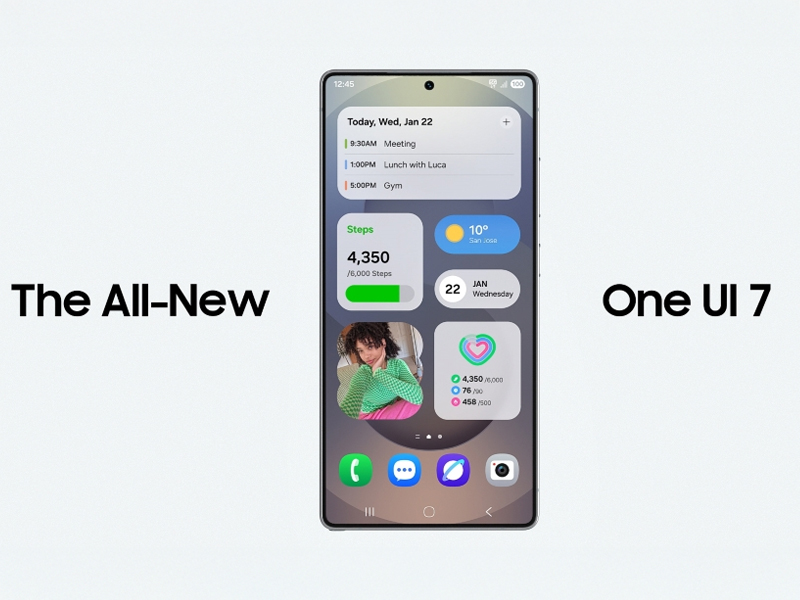
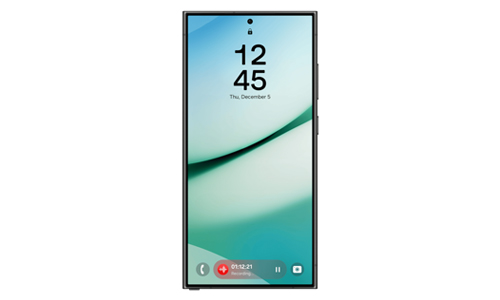
Samsung has temporarily suspended the global rollout of its One UI 7 update after reports emerged of a critical bug affecting Galaxy S24 users. The issue, first highlighted by South Korean users and tech tipster Ice Universe, prevents some devices from unlocking, prompting Samsung to pause the update worldwide as a precaution. The One UI 7 update, based on Android 15, began rolling out on April 7, 2025, to devices like the Galaxy S24, Z Fold 6, and Z Flip 6, with the U.S. receiving it on April 10. However, the discovery of the unlock bug led Samsung to halt the update across all models globally. Despite some users already having the update installed, Samsung has not yet issued an official statement or fix. The company is working to resolve the issue and resume the rollout once the...
Samsung has temporarily suspended the global rollout of its One UI 7 update after reports emerged of a critical bug affecting Galaxy S24 users. The issue, first highlighted by South Korean users and tech tipster Ice Universe, prevents some devices from unlocking, prompting Samsung to pause the update worldwide as a precaution.
The One UI 7 update, based on Android 15, began rolling out on April 7, 2025, to devices like the Galaxy S24, Z Fold 6, and Z Flip 6, with the U.S. receiving it on April 10. However, the discovery of the unlock bug led Samsung to halt the update across all models globally.
Despite some users already having the update installed, Samsung has not yet issued an official statement or fix. The company is working to resolve the issue and resume the rollout once the problem is addressed.
In the meantime, users who have not yet received the update are advised to wait for further announcements from Samsung regarding the resumption of the One UI 7 rollout.
Blockchain is a decentralized, distributed ledger that records transactions across multiple computers. It ensures transparency, security, and immutability in data storage.
AR overlays digital information onto the real world through devices like smartphones or AR glasses, enhancing the user's perception of the environment.
IoT refers to the network of interconnected devices that communicate and share data. It enables smart homes, wearable tech, and efficient industrial processes.
AI involves creating computer systems capable of performing tasks that typically require human intelligence. It includes machine learning, natural language processing, and computer vision.
VR creates a simulated environment that users can interact with. It typically involves the use of VR headsets to provide an immersive experience.
Cybersecurity is the practice of protecting computer systems, networks, and data from digital attacks. It includes measures like firewalls, antivirus software, and encryption.


Can a Smart Home Work Without Internet? Explained
Solana’s Worth in Future: What Could 1 SOL Be Worth?
How to Wake Up the System From Sleep Mode on Any Computer
The Mokacam 4K Sports and Action Camera: Tiny but Powerful