From athletes optimizing every move to stadiums delivering personalized experiences, the Internet of Things in sports is powering a truly connected revolution. This surge is redefining how sports are played, managed, and enjoyed—both on the field and in the stands. What Is the Internet of Things in Sports? The Internet of Things (IoT) refers to interconnected devices and sensors that collect and transmit real-time data. In sports, IoT connects wearables, equipment, stadium systems, and mobile apps to broadcast intelligence designed to improve performance and experiences BlockTech Development. 1. Enhancing Player Performance & Safety Wearables & Smart Apparel Athletes now train with wearable sensors in equipment and kits—from smart footwear to muscle-monitoring garments. These devices track metrics like heart rate, motion patterns, and fatigue to tailor training and prevent injuries. Biometric & Collision Detection In sports like football, players wear collision-tracking...
From athletes optimizing every move to stadiums delivering personalized experiences, the Internet of Things in sports is powering a truly connected revolution. This surge is redefining how sports are played, managed, and enjoyed—both on the field and in the stands.
What Is the Internet of Things in Sports?

The Internet of Things (IoT) refers to interconnected devices and sensors that collect and transmit real-time data. In sports, IoT connects wearables, equipment, stadium systems, and mobile apps to broadcast intelligence designed to improve performance and experiences
BlockTech Development.
1. Enhancing Player Performance & Safety
Wearables & Smart Apparel
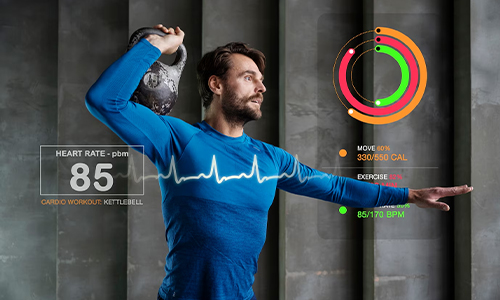
Athletes now train with wearable sensors in equipment and kits—from smart footwear to muscle-monitoring garments. These devices track metrics like heart rate, motion patterns, and fatigue to tailor training and prevent injuries.
Biometric & Collision Detection
In sports like football, players wear collision-tracking pads equipped with RFID sensors. This data captured allows early detection of potential injuries and supports recovery planning.
2. Precision Training & Analytics
Player & Ball Tracking
Game trackers using sensors and cameras relay real-time statistics—speed, position, acceleration, ball spin—that feed into tactical analysis and athlete development programs.
Custom Training Insights
Aggregated data powers tailored training plans, enabling sports scientists and coaches to optimize performance based on long-term trends and instantaneous feedback.
3. Stadiums & Fan Experience
Smart Stadium Operations
Modern venues harness IoT for operational efficiency: crowd flow sensors, beacon-guided navigation, app-controlled concessions, and real-time facility updates create a smooth game-day experience.

Personalized Fan Engagement
IoT collects data on in-stadium behaviors—preferred concessions, seating, replays—which can be used to deliver personalized offers, AR overlays during live action, or interactive audio commentary via mobile.
4. Real-World Case Studies
- NBA Smart Basketball: Sensor-enabled basketballs track trajectory and impact metrics, helping players fine-tune shooting and dribbling skills.
- NFL Collision Data: RFID-based collision pads warn of high-impact events, reducing injury risks and speeding up medical response.
- Film & Motion Capture: IoT cameras provide multi-angle performance analytics used for strategy and training feedback.
5. Industry Impact & Market Growth
According to Deloitte, IoT in sports is helping improve player safety, optimize stadium operations, and deliver new revenue streams through personalized fan interactions and analytic insights.
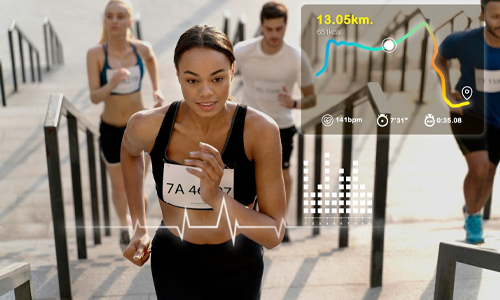
The global sports technology industry is projected to grow at a CAGR of over 20% by 2030, driven by innovation in fitness tracking, smart venues, and data-driven sponsorships.
Why It Matters
- For athletes: Data-driven precision reduces injuries, improves recovery, and pushes performance to elite levels.
- For organizations: Real-time analytics guide coaching decisions, scout talent, and streamline operations.
- For fans: Augmented reality replays, loyalty rewards, and interactive stats deepen engagement.
- For sponsors: Rich data insights enhance brand alignment and monetization opportunities.
Frequently Asked Questions
1: What is the Internet of Things in sports?
It’s the use of connected devices—wearables, sensors, stadium beacons—to collect and analyze data for performance, safety, and fan engagement.
2: How does IoT improve athlete performance?
It provides real-time biometric and motion data, enabling personalized training plans, injury prediction, and recovery optimization.
3: How does IoT enhance fan experience?
Fans get tailored content, AR-enhanced stats, easy navigation, and personalized offers through stadium apps and connected infrastructure.
4: Who are notable users of sports IoT today?
Major leagues like the NBA and NFL use IoT—smart balls, RFID collision tracking, biometric kits—and startups like KIBI Sports and Footrax integrate wearable platforms for athletes and fans.
5: What’s the market outlook for sports IoT?
The connected sports tech sector is expanding rapidly, with revenue expected to grow at a CAGR of 20–21% through 2030.
The Internet of Things in sports is reshaping every aspect—from athlete training and injury prevention to smart stadium experiences and sponsorship value. As sensors become smarter, analytics more powerful, and fan expectations higher, sports organizations that embrace connected technology will stride into a new era of performance and engagement.



Can a Smart Home Work Without Internet? Explained
Solana’s Worth in Future: What Could 1 SOL Be Worth?
How to Wake Up the System From Sleep Mode on Any Computer
The Mokacam 4K Sports and Action Camera: Tiny but Powerful