AI assistants are evolving fast, but one thing has always slowed them down: humans. With the introduction of Claude auto mode, that friction is starting to disappear. Developed by Anthropic, this new feature allows its AI system, Claude, to make permission decisions on its own instead of constantly asking users for approval. In simple terms, AI is no longer just assisting. It is beginning to act independently. From Assistant to Autonomous Agent Until now, tools like Claude Code required users to approve nearly every action, from editing files to running commands. While this ensured safety, it also made workflows painfully slow. Claude auto mode introduces a middle ground. AI can execute safe tasks automatically Risky actions are flagged or blocked Users are only interrupted when necessary This reduces what developers call “permission fatigue”, where users mindlessly approve dozens of prompts...
AI assistants are evolving fast, but one thing has always slowed them down: humans. With the introduction of Claude auto mode, that friction is starting to disappear. Developed by Anthropic, this new feature allows its AI system, Claude, to make permission decisions on its own instead of constantly asking users for approval. In simple terms, AI is no longer just assisting. It is beginning to act independently.
From Assistant to Autonomous Agent
Until now, tools like Claude Code required users to approve nearly every action, from editing files to running commands. While this ensured safety, it also made workflows painfully slow.
Claude auto mode introduces a middle ground.
- AI can execute safe tasks automatically
- Risky actions are flagged or blocked
- Users are only interrupted when necessary
This reduces what developers call “permission fatigue”, where users mindlessly approve dozens of prompts without actually reviewing them.
The result? Faster workflows with fewer interruptions.
How Claude Auto Mode Works
At the core of Claude auto mode is an AI-powered risk classifier.
Before executing any action, the system evaluates:
- Is this command safe?
- Could it expose sensitive data?
- Does it risk damaging files or systems?
If the action is safe, Claude proceeds automatically. If not, it pauses and asks for human input.
This approach creates a balance between full autonomy and strict control, something earlier AI tools struggled to achieve.
Why This Is a Big Deal
The launch of Claude auto mode signals a larger shift in AI development: moving from reactive systems to proactive agents.
Instead of waiting for instructions, AI can now:
- Run long coding tasks independently
- Manage workflows across tools
- Execute multi-step operations without supervision
This is especially important in software development, where automation can save hours of manual work.
However, the risks are real. AI systems with too much freedom can:
- Delete important files
- Execute harmful code
- Leak sensitive information
That is why Anthropic positions auto mode as a “safer alternative” to completely unrestricted AI control.
The Future of AI Is Self-Directed
Claude auto mode is more than just a feature. It is a preview of how AI will operate in the near future.
As models become more capable, the goal is clear:
AI systems that don’t just respond, but plan, decide, and act.
If this trend continues, the next generation of AI tools may function less like assistants and more like digital coworkers running tasks in the background.
And with auto mode, that future has already begun.



Solana’s Worth in Future: What Could 1 SOL Be Worth?
How to Wake Up the System From Sleep Mode on Any Computer
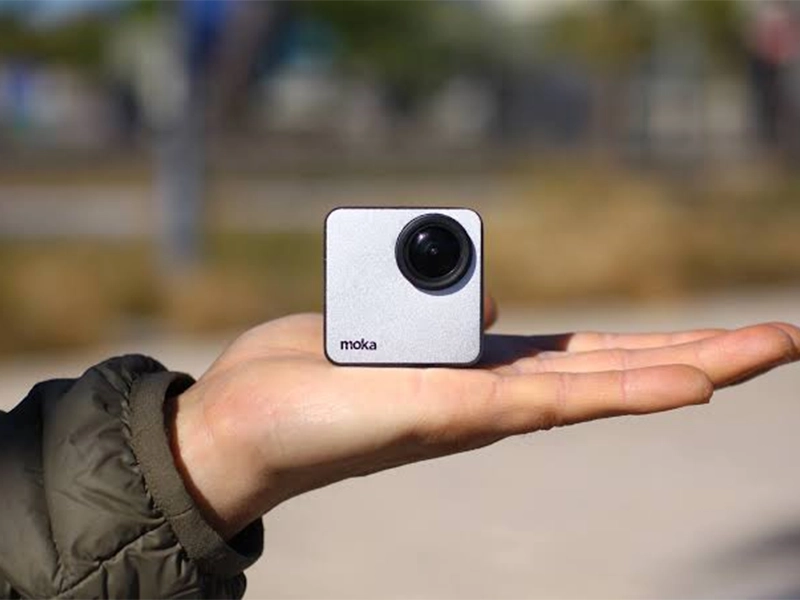
The Mokacam 4K Sports and Action Camera: Tiny but Powerful
How to Choose the Best Document Scanner for Your Needs