Cracked screens are every smartphone owner’s nightmare. The fix is costly, inconvenient, and sometimes leaves your device feeling “off” even after repair. That’s why so many people reach for tempered glass screen protectors the moment they unbox a new phone. But are these protectors actually worth it, or just another upsell at the checkout counter? Let’s break it down. What Exactly Is a Tempered Glass Screen Protector? Tempered glass is glass that’s been heat-treated to become stronger and more impact-resistant than regular glass. A tempered glass screen protector is a thin sheet (typically 0.3–0.5 mm) that adheres to your phone’s screen, acting as a sacrificial barrier against scratches, cracks, and fingerprints. Unlike plastic or “PET” protectors, tempered glass mimics the feel of the original screen, which is why it’s become the default choice for most phone users. Benefits of Tempered...
Cracked screens are every smartphone owner’s nightmare. The fix is costly, inconvenient, and sometimes leaves your device feeling “off” even after repair. That’s why so many people reach for tempered glass screen protectors the moment they unbox a new phone. But are these protectors actually worth it, or just another upsell at the checkout counter? Let’s break it down.
What Exactly Is a Tempered Glass Screen Protector?
Tempered glass is glass that’s been heat-treated to become stronger and more impact-resistant than regular glass. A tempered glass screen protector is a thin sheet (typically 0.3–0.5 mm) that adheres to your phone’s screen, acting as a sacrificial barrier against scratches, cracks, and fingerprints.
Unlike plastic or “PET” protectors, tempered glass mimics the feel of the original screen, which is why it’s become the default choice for most phone users.
Benefits of Tempered Glass Protectors
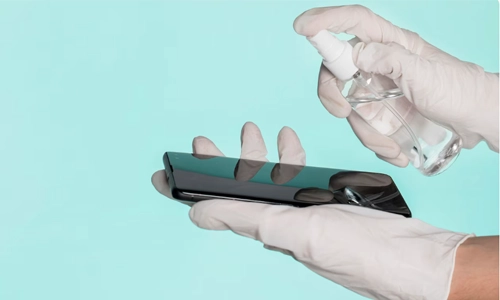
- Impact Absorption – Designed to take the hit so your screen doesn’t have to.
- Scratch Resistance – Better protection against keys, coins, or grit in your bag.
- Oleophobic Coating – Repels oils, making fingerprints less visible and cleaning easier.
- True Glass Feel – Smoother touch experience closer to your phone’s original screen.
- Easy Replacement – If it cracks, you simply peel it off and apply a new one — far cheaper and faster than replacing a display.
Drawbacks to Keep in Mind
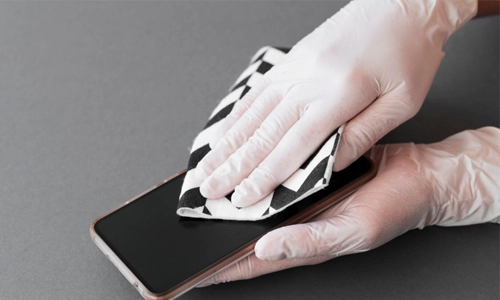
- Adds slight bulk, which can interfere with some snug-fit cases.
- They’re not a magic shield — a hard drop can still damage the real screen.
- Cheap protectors may have poor adhesion or rainbow effects.
- Installation can be tricky without alignment tools.
Different Types of Screen Protectors
| Feature / Type |
Tempered Glass |
Plastic (PET) |
Liquid / Nano Coating |
| Impact Protection |
★★★★☆ (High) |
★★☆☆☆ (Low) |
★☆☆☆☆ (Very Low) |
| Scratch Resistance |
★★★★☆ |
★★★☆☆ |
★★☆☆☆ |
| Touch Feel |
Glass-like |
Slightly rubbery |
Same as bare screen |
| Thickness |
0.3–0.5 mm |
0.1 mm or less |
Invisible |
| Ease of Installation |
Moderate (may need tray) |
Easy (flexible) |
Simple application but requires re-coating |
| Price Range |
Low–Medium |
Very Low |
Medium |
| Best For |
Everyday users who want full protection |
People on a tight budget |
Users who want zero bulk but minimal protection |
Are Tempered Glass Screen Protectors Worth It?
Short answer: Yes — for most people.
At $10–$20 for a decent protector, you’re essentially buying a low-cost insurance policy against a $200–$400 screen replacement. If you’re clumsy, travel a lot, or have kids using your device, it’s almost a no-brainer.
If you’re ultra-careful, use a rugged case with raised edges, or upgrade your phone frequently, you might skip it — but for the majority, the benefits outweigh the downsides.
Tips for Choosing a Good Tempered Glass Protector
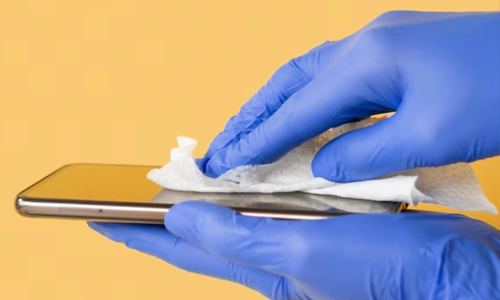
- Check the Hardness Rating – Look for 9H hardness or better.
- Edge Coverage – Full-screen or edge-to-edge protectors give better protection.
- Alignment Frames – Kits with alignment trays make installation bubble-free.
- Buy Multipacks – It’s cheaper and you’ll have a spare if the first one cracks.
- Stick to Reputable Brands – Spigen, ZAGG, Belkin, ESR, and amFilm consistently rate well.
FAQs About Tempered Glass Screen Protectors
1. Do screen protectors really work?
Yes! Screen protectors absorb minor impacts and scratches that would otherwise affect your phone’s display. Tempered glass ones offer stronger protection than film protectors.
2. Do I need a screen protector for iPhone 15?
While the iPhone 15 has Ceramic Shield glass, it can still scratch from sand, keys, or drops. A tempered glass screen protector adds extra insurance without affecting touch sensitivity.
3. What is a tempered glass screen guard?
It’s a heat-treated, durable glass layer placed over your phone’s display to prevent cracks and scratches. It’s the most effective type of screen protection available.
4. How do screen protectors work?
They act as a shock absorber. When your phone is dropped or rubbed, the screen protector takes the damage, leaving your main display untouched.
5. Screen guard vs tempered glass — which is better?
Tempered glass is far better for impact protection, while film protectors only help prevent light scratches. If you’re prone to drops, go with tempered glass.
6. Glass vs film screen protector — what’s the difference?
Glass feels smoother, offers stronger protection, and lasts longer. Film protectors are thinner and cheaper but less durable and more prone to wear.
7. How often should I replace a tempered glass screen protector?
If it cracks, chips, or starts peeling at the edges, replace it immediately. Most last 6–12 months with regular use.
8. Can a tempered glass screen protector affect touch sensitivity?
High-quality protectors don’t. Look for brands that mention “ultra-thin” or “0.3mm thickness” for seamless performance.
When phone screens are larger, pricier, and more curved than ever, tempered glass screen protectors remain one of the simplest and most affordable ways to add peace of mind. They’re not magic shields, but they significantly cut down on scratches, minor cracks, and smudges. For most users, that makes them absolutely worth it.
So yes, your smartphone might survive without it—but why take the risk?

Solana’s Worth in Future: What Could 1 SOL Be Worth?
How to Wake Up the System From Sleep Mode on Any Computer
The Mokacam 4K Sports and Action Camera: Tiny but Powerful
How to Choose the Best Document Scanner for Your Needs