By 2026, technology will no longer feel like it’s catching up with the future — it will actively shape it. Many emerging technologies that once sounded experimental will mature into tools people rely on every day. The focus will shift from innovation for novelty to innovation with real-world impact. Here’s a look at the emerging technologies of 2026 that will define the next phase of digital evolution. AI Systems That Think in Context, Not Commands Artificial intelligence will feel less mechanical and more intuitive. AI systems will understand intent, context, and timing rather than waiting for exact prompts. These models will support doctors in diagnosis, assist developers in real-time coding, and personalize digital experiences instantly. AI won’t replace human judgment — it will amplify it. Spatial Computing Becomes a Daily Interface Spatial computing will move beyond headsets and demos. Lighter...
By 2026, technology will no longer feel like it’s catching up with the future — it will actively shape it. Many emerging technologies that once sounded experimental will mature into tools people rely on every day. The focus will shift from innovation for novelty to innovation with real-world impact.
Here’s a look at the emerging technologies of 2026 that will define the next phase of digital evolution.
AI Systems That Think in Context, Not Commands
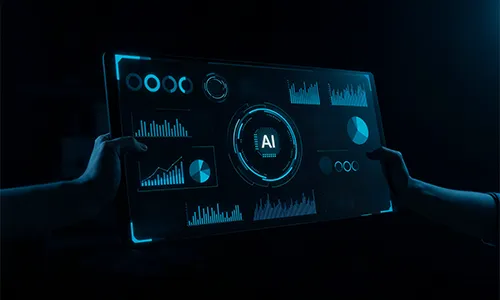
Artificial intelligence will feel less mechanical and more intuitive. AI systems will understand intent, context, and timing rather than waiting for exact prompts. These models will support doctors in diagnosis, assist developers in real-time coding, and personalize digital experiences instantly.
AI won’t replace human judgment — it will amplify it.
Spatial Computing Becomes a Daily Interface

Spatial computing will move beyond headsets and demos. Lighter devices, smarter sensors, and cloud-powered visuals will make immersive computing practical for work and communication. Designers, engineers, and remote teams will interact with digital objects as if they exist in physical space.
Screens won’t disappear, but they will matter less.
Quantum Computing Enters Applied Research
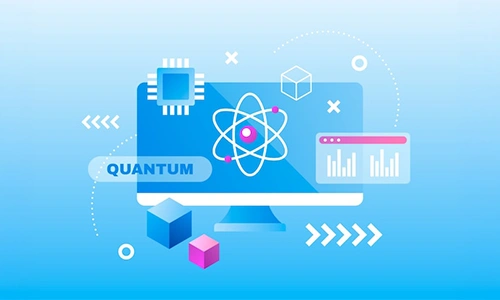
While not yet mainstream, quantum computing will begin delivering measurable results. Industries like pharmaceuticals, climate modeling, and finance will use quantum systems for complex calculations that traditional computers struggle to handle.
This marks the shift from theory-driven progress to applied experimentation.
Hyper-Connected Networks Power Real-Time Systems

Emerging technologies in 2026 will rely on ultra-fast, low-latency connectivity. Advanced 5G networks and early next-generation systems will enable autonomous vehicles, smart infrastructure, and real-time cloud applications.
Connectivity will no longer feel like a feature — it will function as critical infrastructure.
Sustainable Tech Becomes a Core Design Principle

Sustainability will move from marketing language to engineering priority. Chip makers will design energy-efficient processors, data centers will reduce carbon footprints, and smart energy systems will optimize consumption automatically.
Green technology will evolve from an option into a standard.
What Sets 2026 Apart?
AI, connectivity, immersive computing, and sustainability will intersect, creating systems that feel seamless and intelligent. These technologies will influence how businesses operate, how cities function, and how individuals interact with digital spaces.
Ignoring them won’t slow progress — it will create gaps.



Solana’s Worth in Future: What Could 1 SOL Be Worth?
How to Wake Up the System From Sleep Mode on Any Computer
The Mokacam 4K Sports and Action Camera: Tiny but Powerful
How to Choose the Best Document Scanner for Your Needs