Global supply chains have never been more complex. From raw materials crossing borders to finished goods reaching store shelves, every step involves multiple parties, documentation, and coordination. Unfortunately, this complexity creates room for inefficiency, errors, and — crucially — a loss of trust. That’s where blockchain in global supply chain technology steps in: not as a buzzword, but as a practical solution reshaping how products are tracked, verified, and delivered worldwide. What Does Blockchain Bring to Supply Chains? At a basic level, blockchain is a distributed ledger — a secure, transparent record of transactions that can be seen and verified by every participant in a network. When applied to supply chains, it provides: 1. End-to-End Traceability Every movement of a product — from origin to destination — gets recorded in real time. Once a piece of information is written to...
Global supply chains have never been more complex. From raw materials crossing borders to finished goods reaching store shelves, every step involves multiple parties, documentation, and coordination. Unfortunately, this complexity creates room for inefficiency, errors, and — crucially — a loss of trust.
That’s where blockchain in global supply chain technology steps in: not as a buzzword, but as a practical solution reshaping how products are tracked, verified, and delivered worldwide.
What Does Blockchain Bring to Supply Chains?
At a basic level, blockchain is a distributed ledger — a secure, transparent record of transactions that can be seen and verified by every participant in a network. When applied to supply chains, it provides:
1. End-to-End Traceability
Every movement of a product — from origin to destination — gets recorded in real time. Once a piece of information is written to the blockchain, it’s almost impossible to change or delete without consensus. This gives buyers and sellers a shared, tamper-resistant record of a product’s history.
Imagine a coffee producer in Brazil, a roaster in New York, and a retailer in Tokyo — blockchain makes every step clear and auditable.
2. Trust Without Middlemen
Traditional supply chains depend on multiple intermediaries — auditors, inspectors, and public records. With blockchain, trust comes from the system itself: every participant sees and verifies the same immutable data.
That means less paperwork, fewer disputes, and greater confidence between partners who may never have met.
3. Faster and Cheaper Logistics
When information is updated in real time, there’s less waiting for confirmations, fewer reconciliation delays, and faster resolution of issues. Blockchain can power automatic triggers — for example, releasing payments when certain conditions are met.
This reduces costly bottlenecks and improves cash flow across the supply network.
Real-World Uses of Blockchain in Global Supply Chains
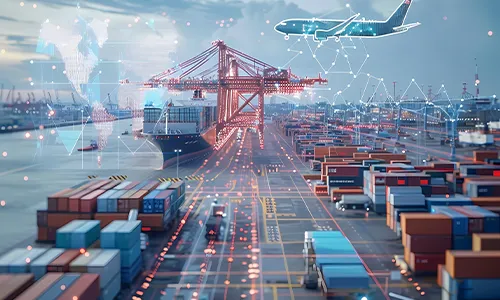
Authenticating High-Value Goods
Luxury brands use blockchain to prove a product’s origin, ensuring customers buy genuine items rather than counterfeits.
Food Safety and Recall Management
Blockchain helps trace batch numbers instantly, so contaminated food can be quickly identified and removed rather than triggering broad recalls.
Sustainable and Ethical Sourcing
Consumers want to know a product was made ethically. Blockchain provides proof of fair labor practices, recycled materials, or carbon footprint claims by linking data from suppliers directly to consumers.
What Makes Blockchain Effective Here?
Distributed Transparency
All parties — suppliers, shippers, retailers, regulators — access the same live data. Discrepancies don’t hide between ledgers or emails.
Immutable Records
Once data is confirmed on the blockchain, it can’t be altered without consensus. This prevents fraud and accidental tampering.
Time-Stamped Verification
Every event in a supply chain's history is logged with a timestamp. Whether a container was loaded, a certificate issued, or customs cleared, these time marks make audits faster and more precise.
Challenges and Realities
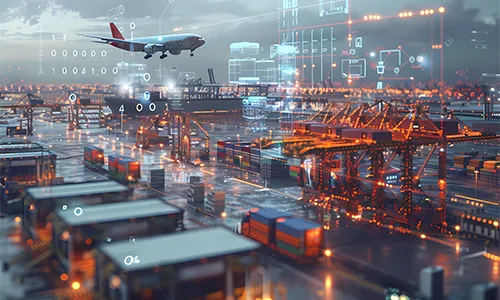
Blockchain in global supply chain systems isn’t a magic bullet. Some challenges include:
- Integration with legacy systems - Many companies still operate on spreadsheets and siloed software.
- Data accuracy at entry points - Blockchain verifies what’s submitted, so bad data in still means bad data out.
- Standards and interoperability - Different blockchain networks may not always communicate easily.
- Stakeholder buy-in - All parties need incentives to adopt shared infrastructure.
Despite these obstacles, adoption is steadily climbing as tools mature and success stories accumulate.
Why the Timing Feels Right
The interest in blockchain for supply chains isn’t new, but several trends have flipped the conversation from “what if” to “when”:
- Rising consumer demand for transparency
- Stricter sustainability reporting requirements
- Shifts toward real-time logistics and IoT tracking
- Pressure on costs and efficiencies in global trade
In other words, blockchain is no longer just a tech experiment — it’s becoming a strategic asset.
The role of blockchain in global supply chain operations continues to grow for good reasons. By providing shared, secure, time-stamped records, the technology helps reduce friction, increase transparency, and rebuild trust among partners. Whether it’s food safety, ethical sourcing, logistics coordination, or anti-counterfeiting efforts, blockchain is proving itself as a tool that does real work in complex international systems.
For businesses and consumers alike, that means supply chains that are not just efficient — but trustworthy.


Can a Smart Home Work Without Internet? Explained
Solana’s Worth in Future: What Could 1 SOL Be Worth?
How to Wake Up the System From Sleep Mode on Any Computer
The Mokacam 4K Sports and Action Camera: Tiny but Powerful