When we think about virtual reality, we imagine thrilling adventures and lifelike gaming experiences — not eye comfort. But new research has revealed something surprising: VR gaming may actually help reduce the risk of dry eye. A study conducted by Waseda University in Japan observed 14 healthy adults who played a VR game for 30 minutes while wearing a headset equipped with a special camera that monitored their tear film. The results showed an increase in the lipid (oil) layer thickness of the tear film — a key factor in preventing dry eye. This layer keeps our eyes hydrated by slowing down tear evaporation. The researchers also observed slightly higher temperatures on the cornea and eyelids, suggesting that the enclosed VR environment could help maintain a moist, stable eye surface. What Makes This Study So Interesting? Traditionally, extended screen time...
When we think about virtual reality, we imagine thrilling adventures and lifelike gaming experiences — not eye comfort. But new research has revealed something surprising: VR gaming may actually help reduce the risk of dry eye.
A study conducted by Waseda University in Japan observed 14 healthy adults who played a VR game for 30 minutes while wearing a headset equipped with a special camera that monitored their tear film. The results showed an increase in the lipid (oil) layer thickness of the tear film — a key factor in preventing dry eye.
This layer keeps our eyes hydrated by slowing down tear evaporation. The researchers also observed slightly higher temperatures on the cornea and eyelids, suggesting that the enclosed VR environment could help maintain a moist, stable eye surface.
What Makes This Study So Interesting?
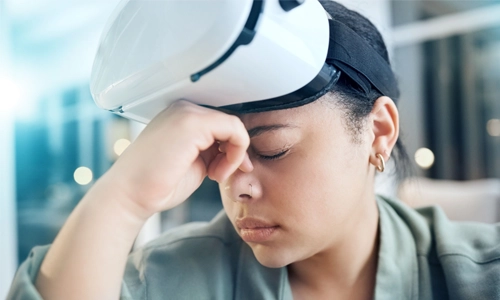
Traditionally, extended screen time has been linked to eye strain and dryness. However, this study challenges that notion by showing that the controlled warmth and reduced airflow inside a VR headset might actually have protective effects on the tear film.
Still, experts caution that the findings are preliminary. The study involved a small sample size, all of whom were healthy individuals without existing eye conditions. More research is needed to understand whether similar benefits apply to people who already experience dry eye symptoms.
What Gamers Should Keep in Mind

If you spend hours in virtual worlds, here are a few practical takeaways:
- A properly fitted VR headset can create a gentle, warm environment that may support tear stability.
- Frequent breaks are still essential to avoid general eye fatigue and motion sickness.
- Stay hydrated and adjust room lighting to reduce glare and strain.
Remember, while VR gaming might not harm your eyes as much as once feared, balance and moderation remain key.
What This Means for VR Designers
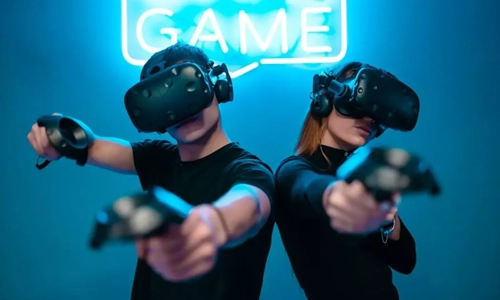
For developers and hardware manufacturers, these findings open exciting possibilities. The headset’s internal temperature, airflow design, and lens placement might not only enhance user comfort but also contribute positively to eye health. Future innovations could include features designed to maintain optimal eye moisture — a win-win for both gamers and ophthalmologists.
The link between VR gaming and eye health is more complex and more promising than we once thought. While the research is still in its early stages, it’s refreshing to see technology showing potential benefits for our eyes rather than just risks.
As VR continues to evolve, we might soon enter an era where gaming isn’t just immersive — it’s eye-friendly, too.



Can a Smart Home Work Without Internet? Explained
Solana’s Worth in Future: What Could 1 SOL Be Worth?
How to Wake Up the System From Sleep Mode on Any Computer
The Mokacam 4K Sports and Action Camera: Tiny but Powerful