Ever wondered how smartphones go from an idea to the sleek devices in your pocket? The process to make a phone is intricate, combining advanced technology, meticulous planning, and precise manufacturing. Let’s break down the timeline and steps involved. How Long Does It Take to Make a Phone? From initial concept to final product, creating a smartphone can take anywhere from 12 to 24 months, depending on the complexity, innovation level, and brand. Flagship devices with cutting-edge technology generally take longer due to rigorous testing and quality assurance. Step 1: Concept and Design The journey begins with the design team. Engineers and designers define the phone’s: Form factor (size, thickness, screen-to-body ratio) Features (camera, battery, sensors, display) Materials (glass, aluminum, or plastic chassis) This stage can take several months as multiple prototypes are created and reviewed. Step 2: Hardware Development...
Ever wondered how smartphones go from an idea to the sleek devices in your pocket? The process to make a phone is intricate, combining advanced technology, meticulous planning, and precise manufacturing. Let’s break down the timeline and steps involved.
How Long Does It Take to Make a Phone?
From initial concept to final product, creating a smartphone can take anywhere from 12 to 24 months, depending on the complexity, innovation level, and brand. Flagship devices with cutting-edge technology generally take longer due to rigorous testing and quality assurance.
Step 1: Concept and Design
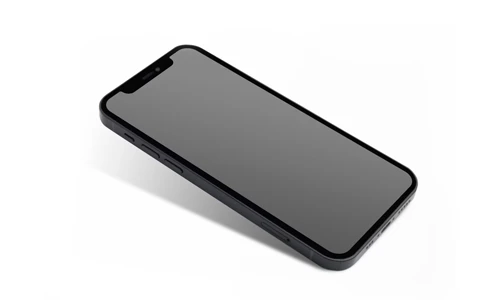
The journey begins with the design team. Engineers and designers define the phone’s:
- Form factor (size, thickness, screen-to-body ratio)
- Features (camera, battery, sensors, display)
- Materials (glass, aluminum, or plastic chassis)
This stage can take several months as multiple prototypes are created and reviewed.
Step 2: Hardware Development

Once the design is finalized, manufacturers start creating:
- Circuit boards and chipsets (CPU, GPU, memory)
- Camera modules and sensors
- Battery modules
Each component undergoes extensive testing to ensure reliability and performance.
Step 3: Software Integration

No phone is complete without software. At this stage:
- The operating system (Android, iOS, or custom OS) is integrated
- Core apps and user interface are optimized
- Security features and firmware updates are tested
Software and hardware need to work perfectly together, which can take months of fine-tuning.
Step 4: Manufacturing and Assembly

Now it’s time to make a phone in mass production. Factories assemble:
- Internal components like processors, cameras, and batteries
- External parts like the screen, casing, and buttons
- Conduct final inspections to ensure no defects
Assembly lines use precision machines and manual checks to maintain quality.
Step 5: Testing and Quality Control
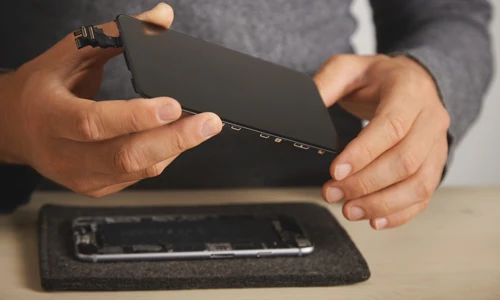
Before shipping, phones go through rigorous testing:
- Durability tests (drop, water, and scratch resistance)
- Performance tests (battery life, processing speed, connectivity)
- Safety checks (overheating, charging reliability)
Only after passing these tests do devices get approval for sale.
Step 6: Packaging and Distribution
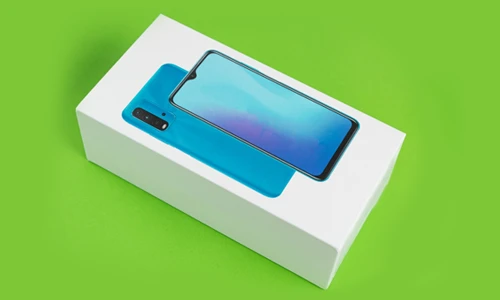
Finally, phones are packaged with accessories and manuals, then shipped worldwide to stores and consumers. Supply chain efficiency plays a huge role in ensuring timely delivery.
Frequently Asked Questions (FAQs)
1. How long does it take to make a phone from scratch?
On average, it takes 12–24 months from concept to final product, depending on the complexity and technology used in the smartphone.
2. What are the hardest parts of making a phone?
The most challenging steps include hardware integration, software optimization, and rigorous quality testing, as even a minor flaw can affect performance or safety.
3. Can anyone make a phone at home?
While hobbyists can experiment with DIY kits or single-board computers, commercial smartphones require advanced manufacturing, precision equipment, and complex software integration, making them impossible to replicate at home.
4. Why does software integration take so long?
Software must be optimized to work seamlessly with all hardware components, including the processor, camera, sensors, and battery. Testing for bugs, security, and performance adds extra time.
5. What is the first step in making a phone?
The journey begins with concept and design, where engineers decide on form factor, materials, features, and the overall user experience.
6. Can making a phone faster affect quality?
Yes. Rushing the process can lead to hardware defects, software bugs, and poor durability, which is why manufacturers maintain thorough timelines and testing procedures.
The next time you unbox a smartphone, remember the 12–24 months of design, engineering, testing, and manufacturing that went into it. Making a phone isn’t just about assembling components—it’s a blend of art, science, and innovation.





Why Are Vertu Phones So Expensive?
Can a Smart Home Work Without Internet? Explained
Solana’s Worth in Future: What Could 1 SOL Be Worth?
How to Wake Up the System From Sleep Mode on Any Computer