Biometric authentication has become a staple of modern smartphones, laptops, and even banking apps. Two of the most common methods are face recognition and fingerprint scanning. But when it comes to protecting your devices and personal data, which is truly more secure? In this blog, we’ll compare face recognition vs fingerprint, examining accuracy, vulnerabilities, and practical considerations. Accuracy and Speed Fingerprint Fingerprint scanners, especially optical or ultrasonic ones, have high accuracy and work almost instantly. They can sometimes fail if your fingers are wet, oily, or scratched. Face Recognition Face recognition has evolved from simple 2D scans to sophisticated 3D infrared mapping. High-end devices, like the latest smartphones, can recognize faces even in low light. However, older or basic systems can be fooled by photos or masks. Winner (Accuracy & Speed): Fingerprint scanners tend to be faster and more consistent...
Biometric authentication has become a staple of modern smartphones, laptops, and even banking apps. Two of the most common methods are face recognition and fingerprint scanning. But when it comes to protecting your devices and personal data, which is truly more secure? In this blog, we’ll compare face recognition vs fingerprint, examining accuracy, vulnerabilities, and practical considerations.
Accuracy and Speed
Fingerprint
Fingerprint scanners, especially optical or ultrasonic ones, have high accuracy and work almost instantly. They can sometimes fail if your fingers are wet, oily, or scratched.
Face Recognition
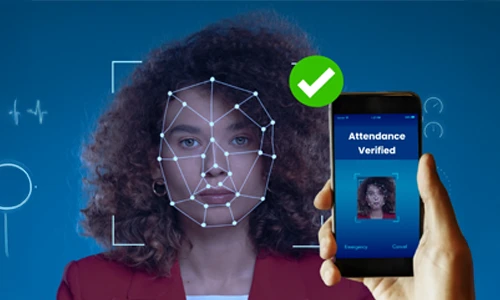
Face recognition has evolved from simple 2D scans to sophisticated 3D infrared mapping. High-end devices, like the latest smartphones, can recognize faces even in low light. However, older or basic systems can be fooled by photos or masks.
Winner (Accuracy & Speed): Fingerprint scanners tend to be faster and more consistent across different conditions.
Security
Fingerprint
- Harder to replicate: lifting fingerprints requires skill, specialized equipment, and access.
- Vulnerable to sophisticated spoofing: 3D-printed fingers or high-resolution molds can bypass some systems.
Face Recognition
- 3D face recognition is generally secure, using depth mapping to avoid simple photo spoofing.
- Vulnerable to advanced masks or identical twins in some cases.
Winner (Security): It depends on implementation. High-end face recognition systems are strong, but a good fingerprint scanner is still very difficult to bypass.
Convenience
Fingerprint
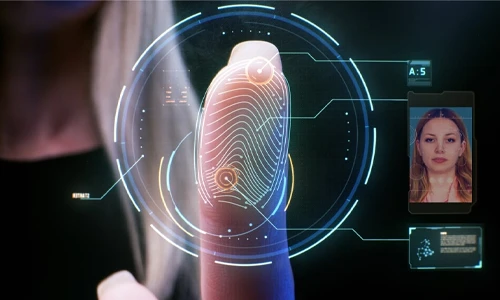
- Works with gloves off and clean fingers.
- Doesn’t require attention to lighting or angles.
Face Recognition
- Hands-free and quick.
- May fail in bright sunlight, complete darkness, or if your appearance changes significantly (glasses, beard, masks).
Winner (Convenience): Face recognition for hands-free access, but fingerprint is more consistent in real-world scenarios.
Privacy Considerations
Both methods store biometric data locally on the device’s secure enclave. However, face recognition can be more sensitive if apps or third parties access facial data for tracking or advertising purposes. Fingerprints generally remain confined to the device.
Combined Approach: The Best of Both Worlds
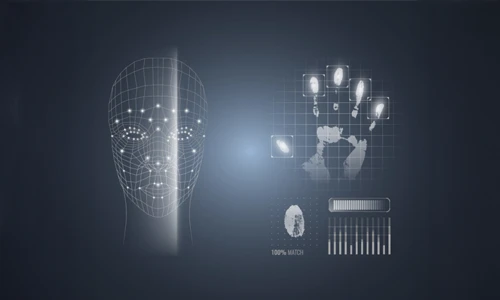
Some devices offer both methods. Using face recognition for quick access and fingerprint for sensitive transactions can give you speed and security together.
Verdict: Face Recognition vs Fingerprint
- Everyday convenience: Face recognition wins for hands-free, quick access.
- Consistent reliability: Fingerprint scanners are less affected by environmental factors.
- Security: Both are strong, but the method depends on the device and implementation. For high-security needs, combining both is ideal.
FAQs
1: Can face recognition be fooled with a photo?
Advanced 3D systems are designed to prevent spoofing with photos. Older 2D systems may be vulnerable.
2: Are fingerprint scanners completely secure?
No system is 100% foolproof, but modern ultrasonic and capacitive scanners are extremely difficult to bypass.
3: Which is faster, face recognition or fingerprint?
Face recognition can be faster for hands-free access, but fingerprint scanners are consistently reliable.
4: Can both methods be used together?
Yes, many devices allow both. Face recognition is great for quick unlocks, while fingerprint adds extra security for sensitive apps.
5: Which method is better for privacy?
Fingerprint data is generally safer since facial data can be used for tracking or analytics if misused.
We recommend considering your device environment, privacy concerns, and convenience needs when choosing between face recognition vs fingerprint. Combining both often provides the best balance of speed, convenience, and security.


Why Are Vertu Phones So Expensive?
Can a Smart Home Work Without Internet? Explained
Solana’s Worth in Future: What Could 1 SOL Be Worth?
How to Wake Up the System From Sleep Mode on Any Computer