The cybersecurity landscape is rapidly changing as cyber threats grow more sophisticated. With more people, devices, and organizations connected than ever before, the need for robust cybersecurity is critical. The rise of technologies like artificial intelligence (AI), 5G, the Internet of Things (IoT), and cloud computing has created new vulnerabilities and opportunities for cybercriminals, necessitating stronger, smarter defenses. This blog will take a detailed look into the future of cybersecurity, exploring emerging trends, technologies, and strategies that will play a pivotal role in protecting individuals, businesses, and governments from the cyber threats of tomorrow. AI and Machine Learning in Cybersecurity One of the most transformative trends shaping the future of cybersecurity is the growing role of Artificial Intelligence (AI) and Machine Learning (ML). AI is being used to detect and respond to threats faster and more efficiently than ever before....
The cybersecurity landscape is rapidly changing as cyber threats grow more sophisticated. With more people, devices, and organizations connected than ever before, the need for robust cybersecurity is critical. The rise of technologies like artificial intelligence (AI), 5G, the Internet of Things (IoT), and cloud computing has created new vulnerabilities and opportunities for cybercriminals, necessitating stronger, smarter defenses.
This blog will take a detailed look into the future of cybersecurity, exploring emerging trends, technologies, and strategies that will play a pivotal role in protecting individuals, businesses, and governments from the cyber threats of tomorrow.
AI and Machine Learning in Cybersecurity
One of the most transformative trends shaping the future of cybersecurity is the growing role of Artificial Intelligence (AI) and Machine Learning (ML). AI is being used to detect and respond to threats faster and more efficiently than ever before.
AI-Driven Threat Detection
AI-driven cybersecurity systems can analyze vast amounts of data in real-time, recognizing patterns and identifying unusual activities that may signal an attack. These systems are designed to learn from experience and become more effective over time, adapting to the tactics used by hackers and other cybercriminals.
Machine learning models can also help prevent attacks by predicting future vulnerabilities and offering automated responses to incidents. This capability is particularly useful for zero-day vulnerabilities—unknown threats that traditional cybersecurity systems struggle to defend against.
Challenges and Risks of AI in Cybersecurity
However, the rise of AI in cybersecurity also poses risks. Cybercriminals can also use AI to develop more advanced attacks, including AI-powered malware and automated phishing campaigns. As AI technology evolves, so too must the strategies to defend against AI-driven attacks.
The Growing Importance of Zero Trust Security
As cyberattacks become more complex, the traditional approach of perimeter-based security is no longer sufficient. Enter the Zero Trust Security model, a strategy that assumes no one inside or outside the network can be trusted.
What is Zero Trust?
Zero Trust operates on the principle of “never trust, always verify,” meaning that every user and device must be continuously authenticated, authorized, and validated before accessing the network. This approach minimizes the risk of insider threats and makes it more difficult for attackers to move laterally within a system once they gain initial access.
Why Zero Trust is the Future
With remote work becoming a permanent fixture and cloud-based infrastructure more prevalent, implementing Zero Trust is increasingly necessary. By focusing on identity verification and micro-segmentation, organizations can limit the attack surface and prevent data breaches even if attackers manage to bypass the perimeter.
Quantum Computing and Its Cybersecurity Implications
Quantum computing is on the horizon, and while it promises incredible advances in computing power, it also poses a significant threat to current encryption standards. Quantum computers can potentially break many of the encryption algorithms that underpin modern cybersecurity.
The Quantum Threat to Encryption
Today’s encryption systems, such as RSA and ECC, rely on complex mathematical problems that are incredibly difficult for classical computers to solve. However, quantum computers could solve these problems in a fraction of the time, rendering traditional encryption useless.
Post-Quantum Cryptography
To prepare for this future, cybersecurity experts are working on post-quantum cryptography—encryption algorithms that even quantum computers cannot crack. These new methods will be essential for protecting sensitive information in the age of quantum computing.
While quantum computers are still years away from becoming mainstream, organizations should start preparing by upgrading their encryption protocols and investing in quantum-resistant solutions.
5G and IoT: New Attack Vectors
The rollout of 5G networks and the continued expansion of the Internet of Things (IoT) bring with them new opportunities for connectivity and convenience, but they also introduce new security challenges.
IoT Devices as Vulnerabilities
The more devices that are connected to a network, the greater the number of potential entry points for cybercriminals. IoT devices—from smart home systems to industrial sensors—often have weaker security measures, making them prime targets for attackers.
A compromised IoT device can be used to launch attacks such as DDoS (Distributed Denial-of-Service), spread malware, or provide hackers with a foothold to access a broader network. As the number of connected devices grows, so too will the risk of IoT-related breaches.
Securing 5G Networks
The introduction of 5G increases the potential speed and volume of cyberattacks. With more bandwidth and lower latency, attackers can launch more aggressive campaigns, targeting critical infrastructure and personal data. Securing these networks requires a combination of advanced encryption, network segmentation, and real-time threat monitoring.
Ransomware’s Evolving Threat
Ransomware remains one of the most destructive forms of cyberattacks, and it is evolving. In recent years, ransomware gangs have adopted a double-extortion model, where they not only encrypt data but also threaten to release sensitive information if the ransom is not paid.
Ransomware-as-a-Service (RaaS)
A particularly troubling development is the rise of Ransomware-as-a-Service (RaaS). In this model, cybercriminals sell or lease ransomware kits to other bad actors, making it easier for less technically skilled individuals to carry out attacks. This leads to a higher frequency of attacks and a broader range of targets.
Fighting Ransomware in the Future
To combat ransomware, organizations must adopt a multi-layered approach that includes regular backups, employee training, and advanced endpoint detection and response (EDR) tools. Governments are also playing a crucial role by cracking down on ransomware groups and disrupting their financial networks.
Cybersecurity in the Cloud

As more organizations move to cloud-based environments, securing cloud infrastructure has become a top priority. Cloud security is evolving to handle the increasing complexity of multi-cloud and hybrid environments.
Cloud Native Security
One of the key trends is the shift toward cloud-native security—tools and practices specifically designed for protecting applications built and deployed in the cloud. These solutions offer enhanced visibility, automation, and scalability, which are essential for defending against modern cyber threats.
Shared Responsibility Model
It’s important to note that cloud security operates under a shared responsibility model, where both the cloud provider and the customer have roles in securing data. Organizations must take proactive steps to encrypt data, secure APIs, and manage identity and access.
Preparing for the Future of Cybersecurity
The future of cybersecurity will be shaped by a combination of advanced technologies, evolving threats, and new defense strategies. As the digital world grows more complex, so do the risks, but with proactive measures and innovative solutions, individuals and organizations can stay one step ahead of cybercriminals.
By embracing AI-driven solutions, implementing Zero Trust security, preparing for the quantum revolution, securing 5G and IoT environments, and enhancing cloud security, we can build a safer and more resilient digital future. The road ahead may be challenging, but with the right tools and strategies, the future of cybersecurity is one where we are better prepared to defend against any threat.
This comprehensive guide not only lays out the top trends and technologies that will shape the future of cybersecurity but also offers practical insights for users and organizations alike.




Solana’s Worth in Future: What Could 1 SOL Be Worth?
How to Wake Up the System From Sleep Mode on Any Computer
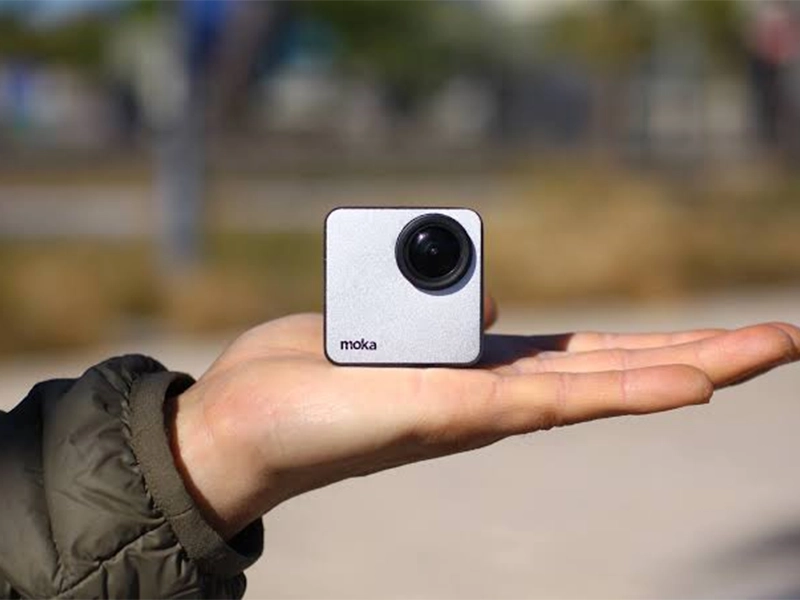
The Mokacam 4K Sports and Action Camera: Tiny but Powerful
How to Choose the Best Document Scanner for Your Needs