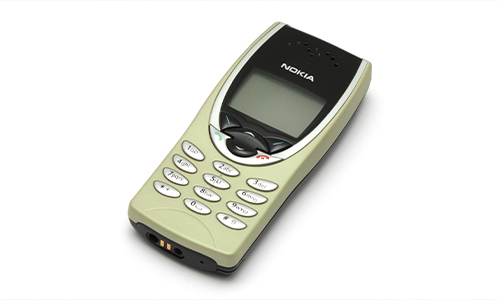
Once upon a time, your mobile phone wasn't smart—but it sure was iconic. The first mobile phones weren’t built to stream videos, run apps, or recognize your face. But they had a charm (and chunk) of their own. As smartphones have evolved into sleek, AI-powered super devices, many of the features that defined early mobile phones have quietly disappeared. Let’s rewind to the era before touchscreens, and explore the features that were once must-haves—but are now relics of tech history. 1. Extendable Antennas Remember pulling out that long silver rod before making a call? Early mobile phones—especially in the '90s—had physical antennas for signal reception. Nowadays, antennas are internal and invisible, thanks to advances in radio frequency tech. 2. Removable Batteries Once a standard feature, removable batteries allowed you to swap in a fresh one when the old one died....
Once upon a time, your mobile phone wasn't smart—but it sure was iconic. The first mobile phones weren’t built to stream videos, run apps, or recognize your face. But they had a charm (and chunk) of their own. As smartphones have evolved into sleek, AI-powered super devices, many of the features that defined early mobile phones have quietly disappeared.
Let’s rewind to the era before touchscreens, and explore the features that were once must-haves—but are now relics of tech history.
1. Extendable Antennas
Remember pulling out that long silver rod before making a call? Early mobile phones—especially in the '90s—had physical antennas for signal reception. Nowadays, antennas are internal and invisible, thanks to advances in radio frequency tech.
2. Removable Batteries
Once a standard feature, removable batteries allowed you to swap in a fresh one when the old one died. It also made repairs easier. Today, sealed batteries are the norm in favor of water resistance and slimmer designs—though many users miss the convenience.
3. T9 Keypads
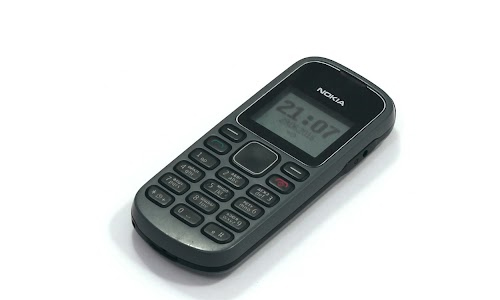
Tapping the same button multiple times to type a single letter? That was T9 texting, and it took skill. This predictive text input system on number keypads was the gateway to SMS culture. Now, we swipe, tap, and voice-type with ease on full touchscreen keyboards.
4. WAP Internet
Long before 4G, we had WAP (Wireless Application Protocol)—the “internet” for early mobile devices. It was slow, clunky, and mostly used to check sports scores or headlines in text-only format. Today’s smartphones stream 4K video over 5G!
5. Built-in Games Like Snake
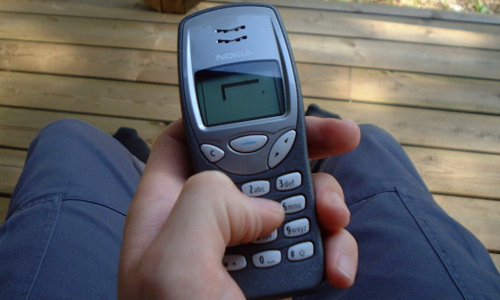
Early Nokia phones didn’t have app stores, but they did have Snake—the cult-classic game that defined boredom relief. Simple, addictive, and unforgettable. Modern smartphones have advanced gaming capabilities, but few mobile games have Snake’s iconic status.
6. Dedicated Torchlight Button
Before smartphones got flashlight toggles, many early phones had a dedicated button to turn on the torch—a handy feature in the dark. Some rugged phones still have this, but for most users today, it’s just a swipe away in the control center.
7. Universal Charging Ports
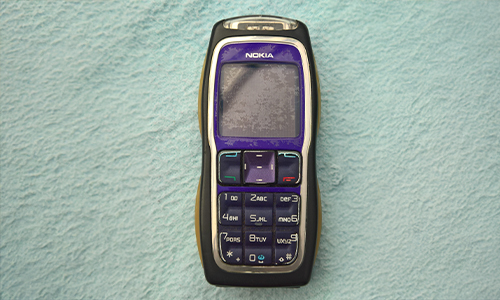
Once upon a time, most phones used the same Nokia pin charger or mini-USB. Now, we’re juggling Lightning, USB-C, and wireless pads. While faster and more powerful, the charging ecosystem has become… less universal.
8. FM Radio (Without Internet)
Early phones often included a built-in FM radio that worked with wired earphones—no data required. Many modern phones have dropped this, replacing it with streaming services like Spotify or YouTube Music.
9. Infrared (IR) Port
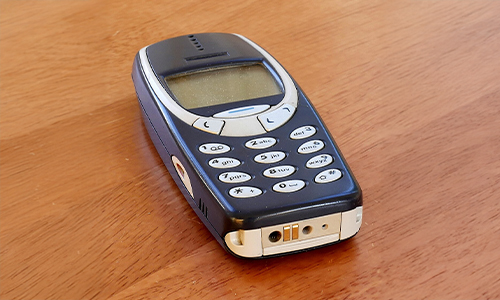
Used to transfer files or play games with a friend sitting nearby, the infrared port was the Bluetooth before Bluetooth. It was slow, needed alignment, and was honestly kind of magical at the time.
10. Low-Res Cameras with No Selfie Mode
If your phone had a camera back then, it was probably 0.3 megapixels and had no front camera. Selfies? Not really a thing. Today, even budget smartphones come with multiple lenses, portrait mode, and AI filters.
Why Did These Features Disappear?
Technology evolves with changing needs, design trends, and innovation. While many old features were practical, they also had limitations:
- Physical buttons took up space.
- Removable parts reduced water resistance.
- Early connectivity methods couldn’t keep up with data demand.
Smartphones today prioritize sleekness, speed, and multi-functionality. Still, there’s no harm in missing the simplicity of the first mobile phones!
Then vs Now: A Quick Comparison
| Feature |
First Mobile Phones |
Modern Smartphones |
| Antenna |
External, extendable |
Internal, compact |
| Battery |
Removable |
Sealed |
| Input |
T9 keypad |
Touchscreen & voice input |
| Internet |
WAP |
4G/5G |
| Games |
Snake |
3D & AR games |
| File Sharing |
Infrared |
Bluetooth, AirDrop, Wi-Fi |
FAQs
What were the features of the first mobile phones?
Early mobile phones had physical keypads, extendable antennas, removable batteries, and simple features like SMS, Snake game, and basic phone calls.
When were the first mobile phones launched?
The first mobile phone—Motorola DynaTAC—was launched in 1983. It was large, heavy, and had a talk time of 30 minutes!
Why don’t modern smartphones have removable batteries?
Sealed batteries allow for slimmer designs and better water resistance. They also support faster charging and reduce hardware vulnerabilities.
Is it possible to still use phones with infrared or T9?
Some feature phones with IR or T9 still exist in niche markets, but they’re rare. Most modern operating systems no longer support those features.
Do any phones today have FM radio without internet?
A few budget or rugged phones do offer offline FM radio, but it’s not common in premium smartphones today.
We’ve come a long way from the clunky, charming gadgets of the past to today’s sleek supercomputers in our pockets. Yet, these lost features of the first mobile phones still bring a wave of nostalgia—and maybe a wish that some could make a comeback.

Why Are Vertu Phones So Expensive?
Can a Smart Home Work Without Internet? Explained
Solana’s Worth in Future: What Could 1 SOL Be Worth?
How to Wake Up the System From Sleep Mode on Any Computer