In a move to enhance smartphone security, Google is rolling out a new feature for Android devices that will automatically reboot phones locked for three consecutive days. The update, quietly released on Monday as part of Google Play services, introduces this change under the “Security & Privacy” section. According to the update notes, “Your device will automatically restart if locked for 3 consecutive days.” The goal? To make unauthorized access more difficult—especially in scenarios where someone may try to forcibly unlock a phone or extract data using advanced forensic tools. Layer of Defense Against Unauthorized Access This kind of cybersecurity plays on a key distinction in smartphone encryption. When a phone is first turned on and hasn’t been unlocked by the user, it’s in what’s called a "Before First Unlock" state. In this state, much of the data remains securely...
In a move to enhance smartphone security, Google is rolling out a new feature for Android devices that will automatically reboot phones locked for three consecutive days.
The update, quietly released on Monday as part of Google Play services, introduces this change under the “Security & Privacy” section. According to the update notes, “Your device will automatically restart if locked for 3 consecutive days.”
The goal? To make unauthorized access more difficult—especially in scenarios where someone may try to forcibly unlock a phone or extract data using advanced forensic tools.
Layer of Defense Against Unauthorized Access
This kind of cybersecurity plays on a key distinction in smartphone encryption. When a phone is first turned on and hasn’t been unlocked by the user, it’s in what’s called a "Before First Unlock" state. In this state, much of the data remains securely encrypted and inaccessible.
But once a device is unlocked, it enters an "After First Unlock" state—where certain data becomes more exposed and potentially vulnerable to forensic tools, like those developed by Cellebrite or Magnet Forensics. These tools are commonly used by law enforcement agencies to extract data from locked phones.
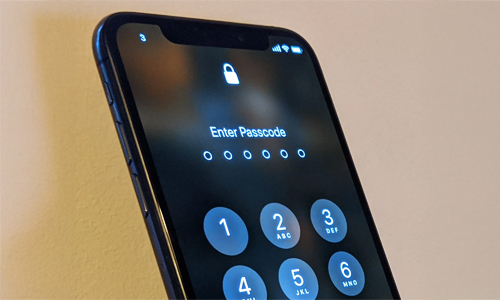
By rebooting automatically after three days of inactivity, the phone resets to that “Before First Unlock” state, reducing the chances of data being accessed without the user’s passcode.
Apple Did It First
Apple implemented a similar feature in iOS last year, and Android’s new addition signals a broader shift in the mobile industry toward proactively protecting user data from unauthorized surveillance and forensic hacking attempts.
As of now, Google hasn’t issued an official statement explaining the reasoning behind the new feature, but the timing and nature of the update strongly suggest it's aimed at reinforcing privacy protections in an increasingly surveillance-conscious world.
The feature appears to be rolling out gradually via Google Play services and may reach more devices in the coming days.




Can a Smart Home Work Without Internet? Explained
Solana’s Worth in Future: What Could 1 SOL Be Worth?
How to Wake Up the System From Sleep Mode on Any Computer
The Mokacam 4K Sports and Action Camera: Tiny but Powerful