As the Internet of Things (IoT) continues to expand across industries, effective IoT device management becomes critical for ensuring the smooth operation of connected devices. From smart homes to industrial IoT applications, the need for proper management is essential to maintain security, scalability, and reliability across networks. However, managing a large number of IoT devices can be challenging without the right strategy in place. 1. Start with Proper Device Onboarding A critical first step in managing IoT devices is onboarding them correctly. Onboarding refers to the process of connecting new IoT devices to your network and ensuring they can communicate with other devices and cloud services. When onboarding isn’t done correctly, it can lead to issues such as improper communication, connectivity failures, and security vulnerabilities. Key Steps for Smooth IoT Device Onboarding Device Configuration Ensure the correct configuration of device...
As the Internet of Things (IoT) continues to expand across industries, effective IoT device management becomes critical for ensuring the smooth operation of connected devices. From smart homes to industrial IoT applications, the need for proper management is essential to maintain security, scalability, and reliability across networks. However, managing a large number of IoT devices can be challenging without the right strategy in place.
1. Start with Proper Device Onboarding
A critical first step in managing IoT devices is onboarding them correctly. Onboarding refers to the process of connecting new IoT devices to your network and ensuring they can communicate with other devices and cloud services. When onboarding isn’t done correctly, it can lead to issues such as improper communication, connectivity failures, and security vulnerabilities.
Key Steps for Smooth IoT Device Onboarding
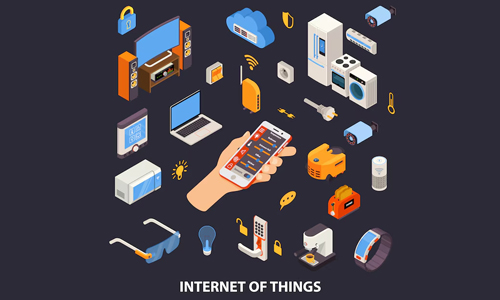
Device Configuration
Ensure the correct configuration of device settings such as network protocols (e.g., Wi-Fi, LTE, Bluetooth), security certificates, and encryption methods. A streamlined configuration process makes it easier to connect devices securely.
Automated Provisioning
Use automated tools for device provisioning to reduce manual errors and speed up the process. Automated tools help assign network credentials, security configurations, and device roles with minimal human intervention.
Scalability Consideration
Plan your onboarding process with scalability in mind. Whether you’re managing tens or thousands of devices, a scalable solution will ensure your IoT environment can grow without disruptions.
2. Implement Robust Security Protocols
Security is one of the most critical aspects of IoT device management. Since IoT devices often handle sensitive data and communicate across networks, they are prime targets for cyberattacks. Ensuring robust security measures can help prevent data breaches, unauthorized access, and system disruptions.
Key Security Practices for IoT Devices
Device Authentication
Implement multi-factor authentication (MFA) for IoT devices to ensure only authorized devices can connect to your network. Use unique device identifiers and encryption to secure communication between devices.
Data Encryption
Encrypt all data transmitted between IoT devices and cloud services to protect against interception. End-to-end encryption ensures that data is unreadable to hackers, even if it’s intercepted during transmission.
Firmware Updates
Regularly update the firmware on IoT devices to patch security vulnerabilities. Many devices come with outdated software, which hackers can exploit. Automated updates help streamline this process across large networks.
Segmentation of Networks
For added security, segment your IoT devices from the rest of your network. For example, create separate networks for IoT devices, so they cannot directly communicate with sensitive business systems. This reduces the risk of a network-wide attack if an IoT device is compromised.
3. Monitor Device Performance and Health
One of the most significant challenges in managing IoT devices is ensuring that they operate efficiently and that any issues are resolved promptly. Monitoring IoT devices is crucial for detecting anomalies, performance drops, and security threats.
Effective IoT Monitoring Steps
Use IoT Management Platforms: Consider using an IoT device management platform that provides real-time monitoring of device health, battery levels, connectivity status, and performance metrics. These platforms often include dashboard views for easy tracking of devices at scale.
Set Up Alerts for Anomalies
Configure your system to send alerts when anomalies occur, such as devices disconnecting unexpectedly, performance slowing down, or signs of a security breach. Early detection can help prevent major operational issues.
Automated Diagnostics
Leverage automated diagnostics tools that identify problems in real time, such as connectivity issues, hardware failures, or software malfunctions. This way, you can remotely troubleshoot and repair devices without physical intervention.
Predictive Maintenance
For critical IoT systems, use predictive maintenance to prevent failures before they occur. By analyzing usage patterns and performance data, IoT systems can predict when a device will need repair or replacement, reducing downtime and improving efficiency.
4. Regularly Update Firmware and Software
Firmware and software updates are crucial for keeping IoT devices functioning optimally and securely. Over time, software vulnerabilities can emerge, and without regular updates, devices become more susceptible to hacking attempts and performance degradation.
Best Practices for IoT Firmware Management
Automated Updates: Set up an automated system for deploying firmware updates across all devices. This ensures that even when managing a large fleet of devices, updates are applied consistently and promptly without human intervention.
Over-the-Air (OTA) Updates
Many IoT devices support OTA updates, allowing updates to be deployed remotely without requiring physical access to the devices. This is especially useful for managing IoT devices deployed across wide geographic areas or in hard-to-reach locations.
Version Control and Rollbacks
Use version control to track software and firmware updates and ensure that you can roll back to a previous version if an update causes issues. Testing updates on a small batch of devices before deploying them across the entire network is also a good practice.
5. Ensure Scalability with Cloud Integration
As IoT deployments grow, managing devices at scale becomes increasingly difficult. Integrating your IoT devices with cloud platforms can provide the flexibility and scalability needed to manage thousands or even millions of devices seamlessly.
Benefits of Cloud Integration for IoT Device Management
Scalable Data Storage: With cloud services, you can store vast amounts of data generated by IoT devices without worrying about running out of local storage. This allows for real-time data analytics and historical data access.
Centralized Management
A cloud-based IoT platform allows for centralized management, where all devices can be monitored and controlled from a single interface. This reduces the complexity of managing devices in different locations and networks.
Real-Time Analytics
Cloud platforms enable real-time analysis of the data generated by your IoT devices. This can provide actionable insights to improve operations, identify trends, and detect issues as they happen.
Edge Computing
In cases where real-time processing is essential, consider using edge computing in conjunction with cloud services. Edge computing processes data locally on the device or nearby, reducing latency and the reliance on constant cloud connectivity.
6. Data Management and Compliance
IoT devices generate vast amounts of data, and managing this data effectively is crucial for ensuring privacy, security, and compliance with data regulations such as GDPR or HIPAA.
Key Steps for Managing IoT Data
Data Segregation: Clearly define and segregate sensitive data from non-sensitive data. This ensures that critical data is handled with additional layers of security and encryption.
Data Retention Policies
Implement policies on how long data should be stored and when it should be deleted. Not all IoT data needs to be retained indefinitely, and proper data management practices help minimize storage costs and comply with privacy regulations.
Compliance Monitoring
If your IoT devices are used in industries with strict regulatory requirements (such as healthcare or finance), ensure that your IoT device management complies with all relevant data protection laws and standards.
Managing IoT devices efficiently requires a combination of proper onboarding, strong security measures, real-time monitoring, and scalable infrastructure. By following the tested and proven steps outlined above, you can ensure smooth IoT device management, even as the number of connected devices in your network grows.
Whether you are managing a small IoT ecosystem or a large-scale deployment, adhering to best practices such as regular firmware updates, cloud integration, and real-time performance monitoring will help ensure your IoT devices remain secure, efficient, and scalable for years to come.



Can a Smart Home Work Without Internet? Explained
Solana’s Worth in Future: What Could 1 SOL Be Worth?
How to Wake Up the System From Sleep Mode on Any Computer
The Mokacam 4K Sports and Action Camera: Tiny but Powerful