In the ever-evolving landscape of augmented reality (AR), Apple is set to make waves once again. Rumors are swirling that Apple’s long-awaited smart AR glasses will finally see the light of day in 2026. If you're a tech enthusiast or simply someone fascinated by the future of wearable technology, this is huge news. With a track record of creating game-changing devices like the iPhone, Apple Watch, and AirPods, it’s no wonder anticipation is sky-high for what they might bring to the AR world. The glasses are rumored to feature cutting-edge MicroLED technology, which could elevate the user experience to unprecedented levels. Let’s break down everything we know so far about Apple’s potential AR revolution. Apple has been dabbling in AR for years, evident in the company’s ARKit platform for developers, which helps bring AR to iPhones and iPads. The upcoming...
In the ever-evolving landscape of augmented reality (AR), Apple is set to make waves once again. Rumors are swirling that Apple’s long-awaited smart AR glasses will finally see the light of day in 2026. If you're a tech enthusiast or simply someone fascinated by the future of wearable technology, this is huge news. With a track record of creating game-changing devices like the iPhone, Apple Watch, and AirPods, it’s no wonder anticipation is sky-high for what they might bring to the AR world. The glasses are rumored to feature cutting-edge MicroLED technology, which could elevate the user experience to unprecedented levels.
Let’s break down everything we know so far about Apple’s potential AR revolution.
Apple has been dabbling in AR for years, evident in the company’s ARKit platform for developers, which helps bring AR to iPhones and iPads. The upcoming glasses could potentially be the next step in bringing AR from mobile devices to immersive wearables.
The Role of MicroLED Technology
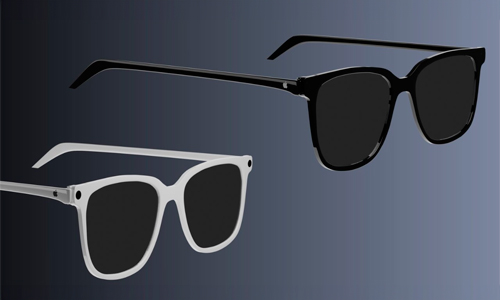
One of the most exciting rumored features of Apple's AR glasses is the use of MicroLED technology for its display. MicroLED is a newer, more advanced display technology that has several advantages over traditional OLED or LCD displays. Here’s why MicroLED could be a game changer for Apple’s AR glasses:
Higher Brightness and Contrast
MicroLED screens can offer significantly higher brightness levels without consuming more power. This is especially important for AR glasses, as they’ll need to project clear images even in outdoor, sunlit environments.
Energy Efficiency
AR glasses are expected to be compact and light, which means battery life is a key concern. MicroLED displays are much more energy-efficient compared to OLEDs, which could allow for longer battery life in Apple’s AR glasses.
Longevity and Durability
MicroLEDs are less prone to "burn-in" or pixel degradation, a problem that can affect OLED displays over time. This makes MicroLEDs more durable, ensuring consistent quality over the lifespan of the device.
Slimmer Design
MicroLED displays can be manufactured much thinner than other types of displays. This is crucial for AR glasses, where comfort and style will be just as important as functionality.
By integrating MicroLED into their AR glasses, Apple is ensuring that users will have an immersive and seamless experience, with crystal-clear visuals and a lightweight design.
Expected Features of Apple’s AR Glasses
While many specifics about Apple’s AR glasses remain under wraps, a number of exciting features have been speculated:
Seamless Integration with iOS
Apple’s ecosystem is renowned for its seamless integration. It’s expected that the AR glasses will work effortlessly with iPhones, iPads, and other Apple devices, displaying notifications, messages, and other data in real time.
Gesture and Voice Control
Apple may incorporate advanced gesture recognition, similar to the FaceID technology found in iPhones, to control the glasses. You may also be able to interact with the glasses using Siri, Apple’s voice assistant, for hands-free navigation and tasks.
Lightweight and Stylish Design
Apple is known for its sleek and modern product designs, so it’s likely that the AR glasses will be lightweight, comfortable, and stylish enough to wear daily. Past patents have shown interest in using flexible materials, suggesting that the glasses may come with adjustable frames.
Prescription Lenses
There’s speculation that Apple’s AR glasses will also be available with prescription lenses, catering to those who wear glasses for vision correction. This would make the product more accessible and inclusive, ensuring a broader customer base.
Advanced Spatial Audio
Apple has already invested heavily in spatial audio with AirPods Pro and AirPods Max. We can expect the AR glasses to include some form of spatial audio for an enhanced immersive experience, allowing sounds to come from specific directions in relation to what you’re seeing.
Potential Use Cases
So, what could you actually do with Apple’s AR glasses? The possibilities are nearly endless. Here are a few practical applications:
Navigation
Imagine walking or driving with step-by-step navigation displayed directly in your field of view. No need to look down at your phone—you could simply follow the directions projected through the glasses.
Virtual Meetings
In a post-pandemic world, virtual meetings have become the norm. With AR glasses, you could participate in virtual meetings where 3D avatars of attendees appear as if they're sitting around the table with you.
Fitness and Health Tracking
Apple’s focus on health is no secret, as seen with the Apple Watch. AR glasses could display real-time health metrics, like heart rate and step count, during workouts, or even provide coaching cues for activities like yoga or strength training.
Gaming
Gaming could be transformed with AR glasses. Picture a world where gaming characters and environments appear in your living room, blending the virtual with the physical for a fully immersive gaming experience.
Education and Learning
AR has enormous potential for education. Apple’s AR glasses could be used in classrooms or for self-learning, allowing students to interact with 3D models of historical artifacts, biological cells, or even planets in our solar system.
Challenges Apple Might Face
While the excitement surrounding Apple’s AR glasses is palpable, the company will face some challenges on the road to launching a successful product.
Battery Life
As with all wearable tech, battery life is a major concern. If Apple plans to pack advanced features like MicroLED displays, spatial audio, and sensors, it will need to ensure that the glasses don’t run out of juice too quickly.
Price
Apple is known for its premium pricing, and AR glasses won’t be an exception. Early adopters may need to prepare for a steep price tag, potentially limiting the initial customer base to tech enthusiasts and professionals.
Privacy
AR glasses have the potential to raise privacy concerns, especially if they’re equipped with cameras and microphones. Apple will need to tread carefully to ensure the device doesn’t feel invasive to both users and those around them.
Apple’s rumored AR glasses, expected to launch in 2026, could be the next big leap in wearable technology. With innovations like MicroLED technology, seamless iOS integration, and the potential for a sleek, stylish design, Apple is set to redefine the AR market. While challenges like battery life and pricing remain, the future looks bright for AR enthusiasts and anyone excited about the next wave of digital interaction.
As we await more official news from Apple, one thing is clear: 2026 is shaping up to be a pivotal year for augmented reality, and Apple's AR glasses could very well be the product that brings AR into the mainstream.


Can a Smart Home Work Without Internet? Explained
Solana’s Worth in Future: What Could 1 SOL Be Worth?
How to Wake Up the System From Sleep Mode on Any Computer
The Mokacam 4K Sports and Action Camera: Tiny but Powerful