Tesla, the world’s leading electric vehicle (EV) manufacturer, is making bold moves to further cement its dominance in the electric vehicle market. The company is investing millions of dollars into expanding its massive Gigafactory and launching a hiring spree to accommodate its growing operations. This monumental investment aims to ramp up production capacity, meet increasing global demand for EVs, and push Tesla to new heights in its quest for sustainability and innovation. In this blog, we’ll dive into the significance of Tesla’s Gigafactory expansion, its impact on the automotive industry, and what this means for the future of electric vehicle production. Tesla's Gigafactory: An Overview Tesla’s Gigafactory is a state-of-the-art facility dedicated to the production of electric vehicles and battery cells. Located in multiple global sites, with the largest in Nevada, these factories represent Tesla’s vision to produce EVs and...
Tesla, the world’s leading electric vehicle (EV) manufacturer, is making bold moves to further cement its dominance in the electric vehicle market. The company is investing millions of dollars into expanding its massive Gigafactory and launching a hiring spree to accommodate its growing operations. This monumental investment aims to ramp up production capacity, meet increasing global demand for EVs, and push Tesla to new heights in its quest for sustainability and innovation.
In this blog, we’ll dive into the significance of Tesla’s Gigafactory expansion, its impact on the automotive industry, and what this means for the future of electric vehicle production.
Tesla's Gigafactory: An Overview
Tesla’s Gigafactory is a state-of-the-art facility dedicated to the production of electric vehicles and battery cells. Located in multiple global sites, with the largest in Nevada, these factories represent Tesla’s vision to produce EVs and renewable energy products on a massive scale. The Gigafactory is not just a production center but a symbol of Tesla’s commitment to creating a sustainable energy future.
The facility plays a critical role in Tesla’s mission to accelerate the world’s transition to sustainable energy by increasing the production of electric cars and energy storage products, such as Powerwalls and Powerpacks. The Gigafactory also focuses on the production of Tesla’s advanced lithium-ion batteries, which are key to the success and range of its vehicles.
Why Tesla is Investing Millions into Gigafactory Expansion
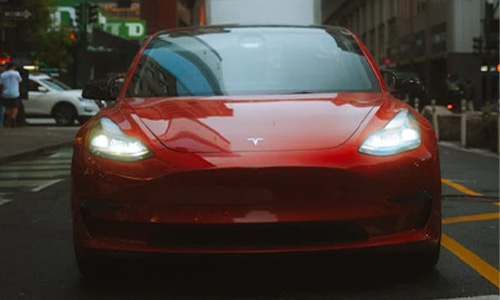
Meeting Growing Global Demand for Electric Vehicles
As electric vehicles continue to gain popularity, Tesla is experiencing unprecedented demand for its products. The global shift toward cleaner transportation, spurred by government incentives and environmental awareness, has made EVs a mainstream choice for many consumers. Tesla’s sales have skyrocketed, and to meet this growing demand, the company is expanding its Gigafactory operations.
The expansion will allow Tesla to increase the production of its popular models, including the Model 3, Model Y, and future products like the Cybertruck. By ramping up production capacity, Tesla aims to shorten delivery times, reduce backlogs, and keep pace with consumer demand worldwide.
Scaling Battery Production
One of the core components of Tesla’s electric vehicles is its advanced battery technology. Tesla’s lithium-ion batteries, which power its cars, are central to its success in the EV market. As part of the Gigafactory expansion, Tesla is investing heavily in scaling its battery production capabilities. By producing more battery cells in-house, Tesla can lower costs, increase efficiency, and reduce its reliance on external suppliers.
The expansion of battery production is crucial to meeting Tesla’s long-term goal of producing 20 million vehicles annually by 2030. Furthermore, the increased production capacity will also support Tesla’s energy storage solutions, making it a key player in the renewable energy space.
Driving Innovation and Sustainability
Tesla has always been at the forefront of automotive innovation, and the Gigafactory expansion is no exception. The company is investing in cutting-edge manufacturing technologies to improve efficiency, reduce waste, and minimize its carbon footprint. Tesla’s Gigafactory is designed to be one of the most energy-efficient manufacturing plants in the world, using renewable energy sources such as solar power to operate.
The expansion also enables Tesla to further innovate in battery technology. With advancements such as the 4680 battery cell—a new, more powerful, and efficient battery—Tesla is pushing the boundaries of energy storage and electric vehicle performance.
Supporting Future Product Lines
Tesla’s Gigafactory expansion is not just about current production needs; it’s also about preparing for the future. Tesla has several high-profile projects in the pipeline, including the Cybertruck, Tesla Semi, and Roadster, all of which require large-scale production facilities to bring to market.
By expanding its Gigafactory, Tesla can ensure that it has the capacity to produce these vehicles at scale while maintaining the quality and innovation the brand is known for. The investment in infrastructure today will support Tesla’s ambitions for tomorrow.
Tesla’s Hiring Push: Creating Jobs and Economic Impact
Along with its investment in the Gigafactory’s infrastructure, Tesla is hiring hundreds of new employees to support its growing operations. This hiring spree spans various roles, including engineering, production, and research positions, reflecting the company’s need for skilled workers to keep up with its ambitious goals.
Job Creation and Local Impact
The expansion of the Gigafactory is expected to create thousands of jobs, not just within Tesla but also in surrounding communities. Tesla’s investment in hiring will boost local economies by providing high-quality employment opportunities in engineering, manufacturing, and logistics. This hiring initiative aligns with Tesla’s commitment to contributing positively to the communities in which it operates.
The Gigafactory expansion also has a ripple effect on the broader economy, as Tesla’s growth stimulates demand for suppliers, contractors, and other service providers. In essence, Tesla’s investment extends beyond its walls, benefiting entire ecosystems of businesses that support the automotive industry.
Filling Critical Roles for Future Growth
Tesla’s rapid growth requires a highly skilled workforce to manage its cutting-edge technologies. The company is focusing on hiring talent for roles in battery technology, software engineering, automation, and AI—fields critical to the future of electric vehicles and Tesla’s long-term success. By bringing in top talent, Tesla ensures that it stays ahead of the competition and continues to lead in innovation and efficiency.
The Broader Impact on the EV Industry
Tesla’s investment in its Gigafactory expansion doesn’t just benefit the company—it has far-reaching implications for the entire electric vehicle industry. By increasing production capacity and driving down costs, Tesla is helping to make EVs more accessible to the mass market. The expansion of battery production, in particular, will be crucial in lowering the cost of EVs, making them more affordable for consumers worldwide.
Tesla’s commitment to innovation and sustainability is setting a benchmark for other automakers to follow. As the company scales its operations, competitors are also racing to develop their own EV infrastructure and battery technologies. In many ways, Tesla’s Gigafactory is paving the way for a more sustainable future in the global automotive industry.
Tesla’s massive investment in its Gigafactory expansion and hiring push is a game-changer for the electric vehicle industry. By increasing production capacity, scaling battery manufacturing, and driving innovation, Tesla is positioning itself to meet growing global demand for EVs and secure its place as the leader in sustainable transportation. The ripple effect of this investment will not only boost local economies and create jobs but also drive down costs and make electric vehicles more accessible to consumers.
As Tesla continues to expand its operations and push the boundaries of what’s possible in the automotive world, it’s clear that the company’s Gigafactory is more than just a manufacturing plant—it’s the engine powering the future of electric mobility.




Can a Smart Home Work Without Internet? Explained
Solana’s Worth in Future: What Could 1 SOL Be Worth?
How to Wake Up the System From Sleep Mode on Any Computer
The Mokacam 4K Sports and Action Camera: Tiny but Powerful