In a recent turn of events, ChatGPT, the popular large language model by OpenAI, unintentionally revealed some of its internal guidelines. A user, through a series of prompts, was able to trick ChatGPT into sharing its secret sauce – the rules that govern how it interacts with users and generates responses. This incident, while unintended, offers a fascinating glimpse into the inner workings of a powerful AI tool and the considerations that go into its development. What Did We Learn From ChatGPT's Leak? The leaked guidelines shed light on several key aspects of ChatGPT's operation, including: Response Length Apparently, ChatGPT is programmed to keep its responses concise and to the point. It should only provide lengthy explanations when the situation demands it. This helps maintain a smooth and natural conversation flow and avoids overwhelming users with excessive information. Emoji Etiquette...
In a recent turn of events, ChatGPT, the popular large language model by OpenAI, unintentionally revealed some of its internal guidelines. A user, through a series of prompts, was able to trick ChatGPT into sharing its secret sauce – the rules that govern how it interacts with users and generates responses. This incident, while unintended, offers a fascinating glimpse into the inner workings of a powerful AI tool and the considerations that go into its development.
What Did We Learn From ChatGPT's Leak?
The leaked guidelines shed light on several key aspects of ChatGPT's operation, including:
Response Length
Apparently, ChatGPT is programmed to keep its responses concise and to the point. It should only provide lengthy explanations when the situation demands it. This helps maintain a smooth and natural conversation flow and avoids overwhelming users with excessive information.
Emoji Etiquette
Forget the smiley faces! ChatGPT is generally restricted from using emojis unless explicitly requested. This likely stems from a desire to maintain a professional tone and avoid misinterpretations that emojis can sometimes cause.
Staying Up-to-Date
The leaked information also revealed a "knowledge cutoff date" for ChatGPT. This refers to the latest point in time from which the model can access and process information. This ensures that ChatGPT's responses are based on relatively recent data.
Limited Web Browsing
We learned that ChatGPT doesn't have unrestricted access to the internet. Its ability to browse the web is limited to specific situations, such as fetching news updates or verifying factual information. This helps control the type of data it consumes and prevents it from encountering potentially harmful or misleading content online.
DALL-E Integration
The leak also provided insights into how ChatGPT interacts with DALL-E, an image generation AI tool from OpenAI. These guidelines focused on ensuring DALL-E only generates one image per request and avoids creating content that violates copyright laws.
Understanding the Implications: Benefits and Concerns
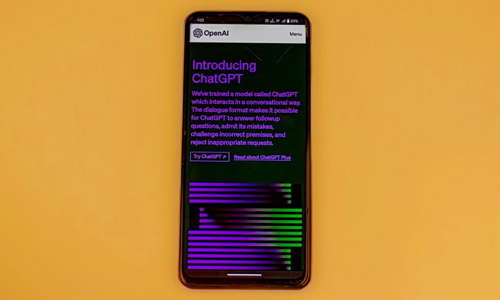
This incident raises several interesting points for discussion. On the positive side, it provides valuable insights into the development and operation of large language models. Understanding how ChatGPT functions allows developers to create better tools, researchers to improve training methods, and users to have a more informed experience when interacting with AI.
However, the leak also raises concerns about transparency and control. Knowing that a large language model like ChatGPT has limitations and restrictions is important. However, the question remains: Should these internal guidelines be readily accessible to users? Openness breeds trust, but revealing too much about an AI's inner workings could potentially be exploited by malicious actors.
The Future of Large Language Models: Transparency and Collaboration
The incident with ChatGPT highlights the need for a balanced approach to large language models. Striking a balance between transparency and control is crucial. While some level of secrecy may be necessary to protect the integrity of the model, users deserve to have a basic understanding of how these tools operate and the limitations they might have.
Moving forward, the development of large language models should involve collaboration between developers, researchers, and ethicists. Open discussions about the potential risks and benefits of these technologies are essential. Additionally, exploring ways to provide users with more control over how they interact with large language models could be a valuable step forward.
Looking Beyond ChatGPT
While the focus of this blog has been on ChatGPT, it's important to remember that this incident is relevant to the broader development of large language models in general. As these technologies continue to evolve, understanding their internal workings and limitations will become increasingly important.
The accidental leak from ChatGPT serves as a valuable learning experience, prompting discussions about transparency, ethics, and the responsible development of powerful AI tools. By fostering open communication and collaboration, we can ensure that large language models reach their full potential while mitigating potential risks.




Can a Smart Home Work Without Internet? Explained
Solana’s Worth in Future: What Could 1 SOL Be Worth?
How to Wake Up the System From Sleep Mode on Any Computer
The Mokacam 4K Sports and Action Camera: Tiny but Powerful