The concept of smart cities– a dwelling infused with interconnected devices that automate tasks and improve our lives – is no longer science fiction. From smart thermostats to voice-controlled lighting, smart home technology is rapidly transforming our living spaces. One of the most appealing aspects of smart homes is their potential to optimize energy use. Smart thermostats can learn our habits and adjust temperature settings automatically, reducing wasted energy. Smart appliances can be programmed to run during off-peak hours, saving on electricity costs. In a world increasingly focused on sustainability, smart homes offer a compelling solution for a greener future. However, the convenience and efficiency of smart homes come with a potential downside: privacy concerns. These devices collect a vast amount of data about our daily routines – when we're home, what temperature we prefer, even what music we listen...
The concept of smart cities– a dwelling infused with interconnected devices that automate tasks and improve our lives – is no longer science fiction. From smart thermostats to voice-controlled lighting, smart home technology is rapidly transforming our living spaces.
One of the most appealing aspects of smart homes is their potential to optimize energy use. Smart thermostats can learn our habits and adjust temperature settings automatically, reducing wasted energy. Smart appliances can be programmed to run during off-peak hours, saving on electricity costs. In a world increasingly focused on sustainability, smart homes offer a compelling solution for a greener future.
However, the convenience and efficiency of smart homes come with a potential downside: privacy concerns. These devices collect a vast amount of data about our daily routines – when we're home, what temperature we prefer, even what music we listen to. This data is often stored in the cloud, raising concerns about who has access to it and how it might be used.
Here's a closer look at both sides of the smart home coin:
The Power of Smart Energy Management
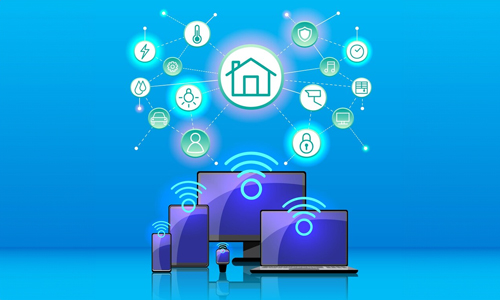
Smart home technology offers several benefits when it comes to energy savings:
Automated Climate Control
Smart thermostats learn your schedule and adjust temperature settings automatically, ensuring your home is only heated or cooled when necessary. This can significantly reduce energy consumption, especially in homes with forgetful occupants.
Smart Lighting
Smart lighting systems can be programmed to turn off lights when rooms are unoccupied, eliminating wasteful energy use. Additionally, motion sensors can automatically activate lights when someone enters a room, providing convenience and saving energy.
Appliance Management
Smart appliances can be programmed to run during off-peak hours when electricity rates are lower. This can lead to significant cost savings on your energy bill.
Real-time Monitoring
Smart home systems can provide real-time data on your energy consumption. This allows homeowners to identify areas where they can cut back and make informed decisions about their energy usage.
By promoting more conscious energy use, smart homes can contribute to a more sustainable future.
The Privacy Paradox: Data Collection and Security Concerns
The convenience of smart homes comes at a cost – the data they collect. Here are some privacy concerns to consider:
Data Collection and Sharing
Smart home devices collect a vast amount of data, including temperature preferences, lighting usage patterns, and even voice commands. This data is often stored in the cloud by device manufacturers or service providers. There's a risk of this data being shared with third parties without our knowledge or consent.
Security Vulnerabilities
Smart homes are connected to the internet, making them vulnerable to hacking attempts. If a hacker gains access to your smart home network, they could potentially steal your data or even manipulate your devices for malicious purposes.
Lack of Transparency
Many smart home devices lack transparency regarding the data they collect and how it is used. Consumers often have limited control over what data is collected and how it is stored.
These privacy concerns highlight the importance of choosing reputable smart home devices with strong security features. Consumers should also be proactive in understanding what data is being collected and ensuring they have control over its use.
Striking a Balance: A Secure and Sustainable Future
The future of smart homes lies in striking a balance between energy efficiency and privacy. Here are some steps we can take:
Stronger Data Protection Laws
Governments need to implement stricter data protection laws that ensure transparency in data collection and give consumers control over their information.
Enhanced Security Standards
Smart home manufacturers should prioritize robust security features in their devices to minimize hacking risks.
Consumer Awareness
Consumers need to be more aware of the data collection practices of smart home devices and actively seek out products that prioritize user privacy.
By fostering collaboration between technology companies, policymakers, and consumers, we can unlock the true potential of smart homes for a more sustainable and secure future.

Can a Smart Home Work Without Internet? Explained
Solana’s Worth in Future: What Could 1 SOL Be Worth?
How to Wake Up the System From Sleep Mode on Any Computer
The Mokacam 4K Sports and Action Camera: Tiny but Powerful