If you’ve ever had to beg your child to turn off a video game and pick up a book, you’re not alone. But what if screen time could actually make them smarter? That’s where educational video games for kids come in—they combine entertainment with learning in a way that textbooks simply can’t. We’ve rounded up the top 10 educational games that are as fun as they are enriching. Whether your kid’s into math, science, problem-solving, or storytelling, there’s something here for every curious young mind. 1. Prodigy Math Game Platform: Web, iOS, Android Best For: Ages 6–12 A fantasy role-playing game where kids use math to win battles? Yes, please! Prodigy is loved by teachers and parents alike for turning math into a magical quest. 2. Osmo – Genius Starter Kit Platform: iPad + Physical Kit Best For: Ages 5–10...
If you’ve ever had to beg your child to turn off a video game and pick up a book, you’re not alone. But what if screen time could actually make them smarter? That’s where educational video games for kids come in—they combine entertainment with learning in a way that textbooks simply can’t.
We’ve rounded up the top 10 educational games that are as fun as they are enriching. Whether your kid’s into math, science, problem-solving, or storytelling, there’s something here for every curious young mind.
1. Prodigy Math Game
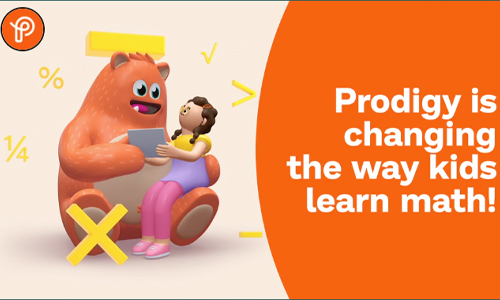
Platform: Web, iOS, Android
Best For: Ages 6–12
A fantasy role-playing game where kids use math to win battles? Yes, please! Prodigy is loved by teachers and parents alike for turning math into a magical quest.
2. Osmo – Genius Starter Kit
Platform: iPad + Physical Kit
Best For: Ages 5–10
This mixed-reality game blends hands-on play with digital interaction. From tangrams to spelling games, Osmo encourages creativity and logic with real-world objects.
3. Minecraft Education Edition
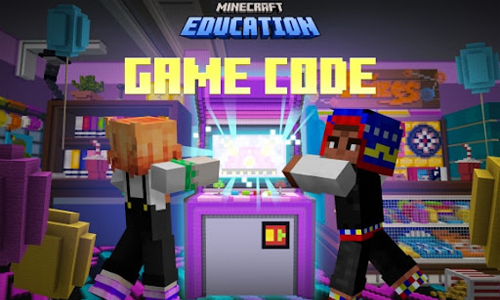
Platform: PC, Mac, iPad, Chromebook
Best For: Ages 8–13
Kids can build, explore, and learn about chemistry, coding, or environmental science in this version of the hit game Minecraft. Teachers can even create their own lessons.
4. Endless Alphabet
Platform: iOS, Android
Best For: Ages 3–6
Adorable monsters teach kids vocabulary with animated puzzles and word games. It’s silly, smart, and surprisingly addictive.
5. Toca Life World
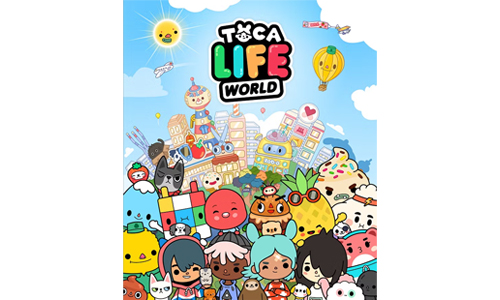
Platform: iOS, Android
Best For: Ages 4–9
This open-world game isn’t just for fun—kids build stories, explore characters, and develop creative thinking skills by creating their own digital narratives.
6. BrainPOP Jr. Movie of the Week
Platform: Web, iOS, Android
Best For: Ages 5–9
Short animated videos followed by interactive quizzes and games make learning topics like science, reading, and social studies approachable and fun.
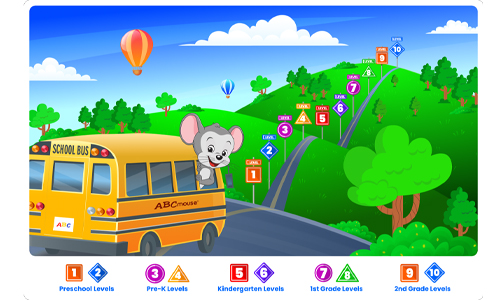
Platform: Web, iOS, Android
Best For: Ages 2–8
With a structured curriculum across reading, math, science, and art, ABCmouse offers over 10,000 activities to keep little learners engaged.
8. DragonBox Series
Platform: iOS, Android
Best For: Ages 4–12
This suite of math games is designed to build intuitive understanding. Kids start with simple logic puzzles and work their way up to complex algebraic concepts.
9. National Geographic Kids Weird But True!

Platform: iOS, Android
Best For: Ages 6–10
Packed with fun facts, quirky trivia, and interactive mini-games, this app helps kids explore science, animals, and history in a super engaging way.
10. Kodable
Platform: iOS, Web
Best For: Ages 5–10
Ready to introduce your child to coding? Kodable teaches programming logic using adorable aliens and colorful mazes—no previous experience required.
Why Educational Video Games for Kids Work
Studies show that educational video games for kids can boost motivation, improve focus, and enhance critical thinking. The key is to find games that are age-appropriate and aligned with what your child is interested in.
These 10 picks strike the perfect balance between learning and fun—so next time your child asks for screen time, you might just say "yes" without hesitation.

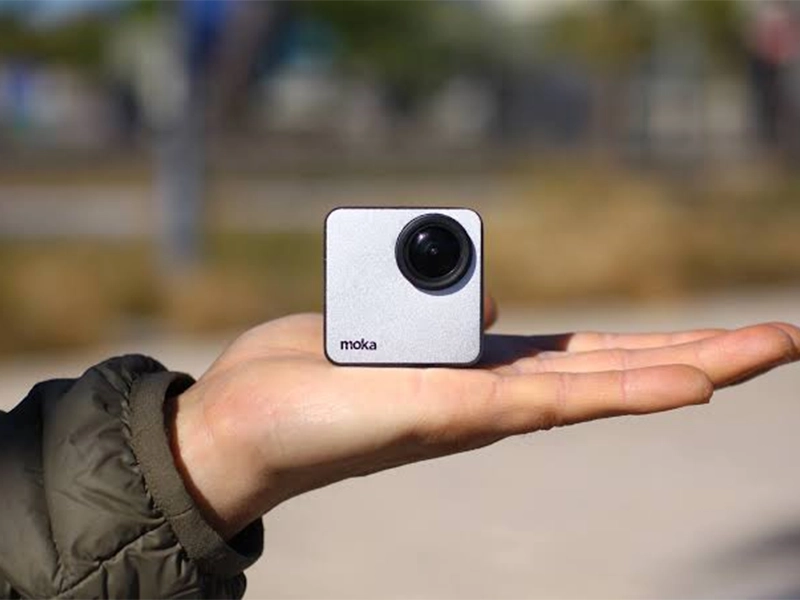

The Mokacam 4K Sports and Action Camera: Tiny but Powerful
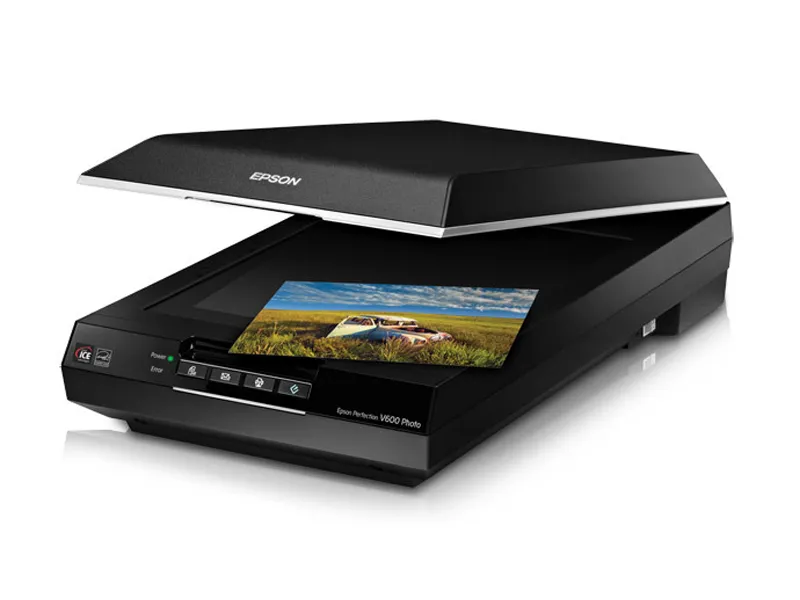
How to Choose the Best Document Scanner for Your Needs
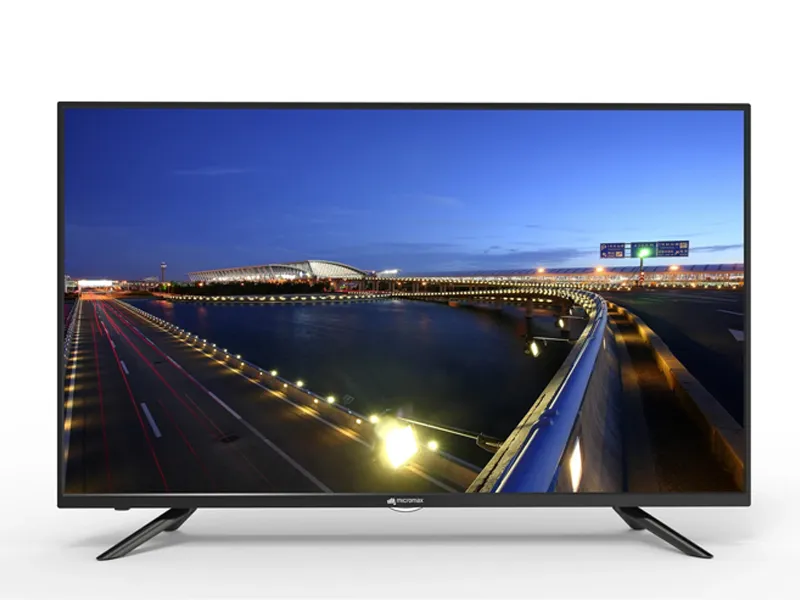
Micromax 50 Inch LED TV: Should You Still Buy It?
What Percentage of Homes Have Smart Devices?