In an era where personal data is currency and digital identity is everywhere, the need to protect user privacy has never been more urgent. Responding to this, Google has open-sourced its Zero-Knowledge Proof (ZKP) technology, a cryptographic breakthrough that lets individuals prove a fact without revealing the underlying data. This isn’t just a win for developers or regulators—it’s a pivotal step toward a safer, more private internet for everyone. What Is Zero-Knowledge Proof (ZKP)? At its core, Zero-Knowledge Proof is a cryptographic method where you can prove something is true without revealing the actual data. For example, instead of uploading your full ID to prove you're over 18, ZKP allows you to confirm your age status without sharing your name, birthdate, or document. This approach eliminates the data-mining trap of many websites and services today. It’s like telling a...
In an era where personal data is currency and digital identity is everywhere, the need to protect user privacy has never been more urgent. Responding to this, Google has open-sourced its Zero-Knowledge Proof (ZKP) technology, a cryptographic breakthrough that lets individuals prove a fact without revealing the underlying data.
This isn’t just a win for developers or regulators—it’s a pivotal step toward a safer, more private internet for everyone.
What Is Zero-Knowledge Proof (ZKP)?
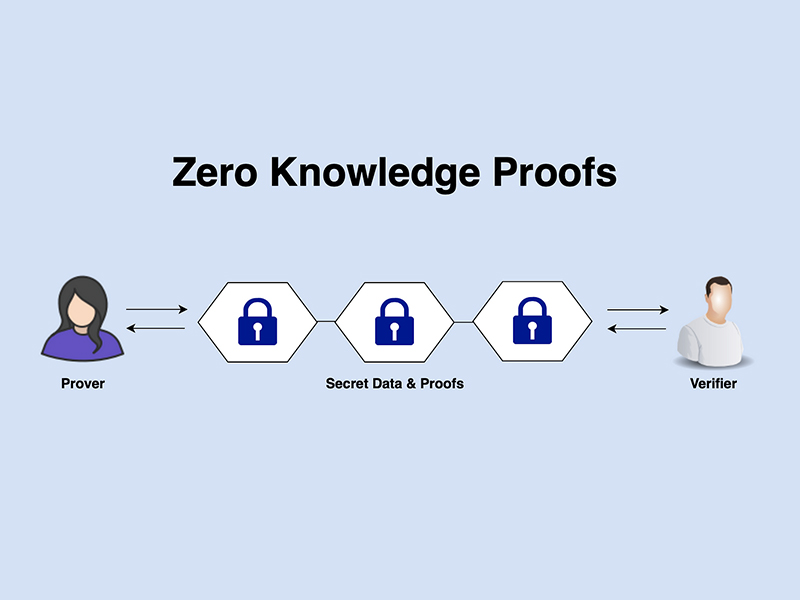
At its core, Zero-Knowledge Proof is a cryptographic method where you can prove something is true without revealing the actual data. For example, instead of uploading your full ID to prove you're over 18, ZKP allows you to confirm your age status without sharing your name, birthdate, or document.
This approach eliminates the data-mining trap of many websites and services today. It’s like telling a bouncer you're old enough to enter a club—without needing to show your entire driver's license.
Why Google’s Move Matters
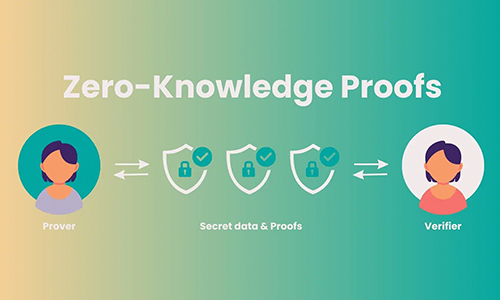
Google’s decision to open source their ZKP libraries delivers major implications across the board:
- Developers can now freely integrate cutting-edge privacy protocols into their apps without reinventing the wheel.
- Governments and institutions can leverage these tools to comply with upcoming EU regulations around digital identity and age verification.
- Users regain control over how much of their personal data they share—and with whom.
This marks a major shift in digital identity assurance—one that puts the user first.
Aligning with the EU’s Digital Privacy Goals
The European Union’s eIDAS Regulation, which will take effect in 2026, requires the use of privacy-enhancing technologies (PETs) in digital ID systems. Specifically, it pushes Member States to build secure and transparent European Digital Identity Wallets (EUDI Wallets).
By open sourcing its ZKP tech, Google is giving EU nations a ready-made solution to implement privacy-first standards—potentially accelerating the development of EUDI Wallets and improving citizen trust.
Partnership with Sparkasse: Bridging Public and Private
Google’s collaboration with Sparkasse, one of Europe’s largest financial institutions, showcases a real-world application of ZKP. In this case, it's to help build a digital infrastructure that can verify age for financial transactions and online services—without violating user privacy.
This is crucial in contexts like:
- Accessing age-restricted content
- Opening a digital bank account
- Verifying eligibility for public benefits
- Securing access to sensitive health or legal services
What Developers Can Do With the Open Source ZKP Libraries
| Application Area |
Use Case |
| Digital Identity |
Age assurance, identity verification, national IDs |
| Web Apps |
Private logins, gated content without sharing PII |
| Financial Services |
Proof of eligibility for credit without full credit score sharing |
| Health Tech |
Verify vaccination status or test results without full medical history |
| Research & Academia |
Advance privacy-focused innovations and new ZKP-based models |
Developers now have access to a performant and efficient ZKP implementation, which supports real-world deployment at scale.
Why This Is a Big Deal for Everyone
Zero-Knowledge Proof technology isn’t just a buzzword. It could:
- Transform how we interact with the internet
- Eliminate unnecessary data exposure
- Support compliance with evolving global privacy regulations
- Empower individuals to maintain control over their identity and information
As data breaches, identity theft, and surveillance become increasingly common, tools like ZKP provide a realistic and reliable solution—baked directly into the infrastructure of tomorrow’s apps and services.
FAQs
What is Zero-Knowledge Proof in simple terms?
It’s a cryptographic way to prove something (like your age or credentials) is true without revealing any other details.
How will this affect online age verification?
Websites can verify you're above a certain age without needing your full ID or birthdate—protecting your privacy while still enforcing legal compliance.
Is this technology only for the EU?
While it aligns with the EU’s eIDAS Regulation, any developer or business worldwide can use it, thanks to Google open sourcing the ZKP libraries.
Can small businesses use this tech?
Yes! Google’s open source ZKP libraries are accessible to businesses of all sizes, making it easier to integrate privacy-by-design into products.
The Future of Privacy Tech
We’re entering a new phase of digital identity—one where privacy is not an afterthought but the foundation. By releasing ZKP as open source, Google isn’t just supporting innovation; it’s democratizing access to next-gen privacy tools that have the potential to rewrite the rules of the internet.



Solana’s Worth in Future: What Could 1 SOL Be Worth?
How to Wake Up the System From Sleep Mode on Any Computer
The Mokacam 4K Sports and Action Camera: Tiny but Powerful
How to Choose the Best Document Scanner for Your Needs