The metaverse isn’t just virtual worlds behind VR headsets — augmented reality (AR) plays a crucial part in bridging our physical and digital worlds. In this article, we dive into the role of AR in the Metaverse: what’s working now, what’s possible soon, and the hurdles that stand in the way. What is AR vs the Metaverse? Augmented Reality (AR) overlays digital content — images, text, 3D holograms — onto real-world surroundings. Think of AR apps on your smartphone, AR glasses, or mixed reality devices. The Metaverse describes persistent, shared, interconnected virtual spaces where people interact, create, and transact — often through avatars, immersive environments, and both AR/VR tools. AR contributes by extending metaverse layers into the physical world. Key Use Cases Where AR Already Powers the Metaverse 1. Real-World Commerce & Try-On Experiences Brands use AR for virtual try-ons:...
The metaverse isn’t just virtual worlds behind VR headsets — augmented reality (AR) plays a crucial part in bridging our physical and digital worlds. In this article, we dive into the role of AR in the Metaverse: what’s working now, what’s possible soon, and the hurdles that stand in the way.
What is AR vs the Metaverse?
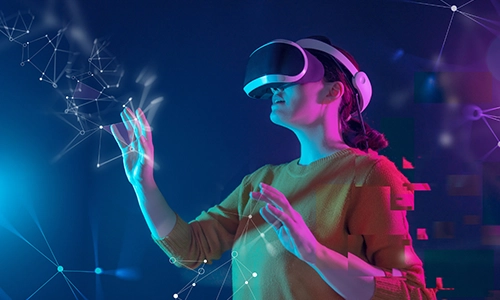
- Augmented Reality (AR) overlays digital content — images, text, 3D holograms — onto real-world surroundings. Think of AR apps on your smartphone, AR glasses, or mixed reality devices.
- The Metaverse describes persistent, shared, interconnected virtual spaces where people interact, create, and transact — often through avatars, immersive environments, and both AR/VR tools. AR contributes by extending metaverse layers into the physical world.
Key Use Cases Where AR Already Powers the Metaverse

1. Real-World Commerce & Try-On Experiences
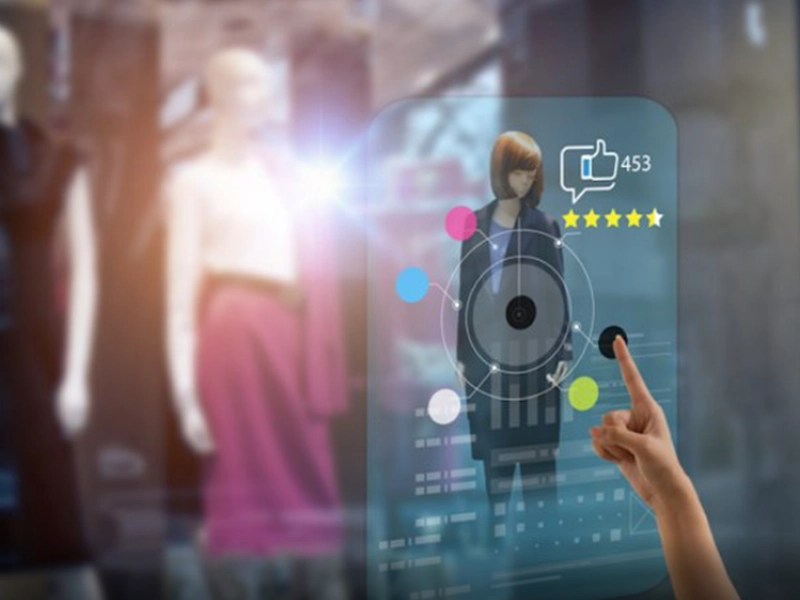
Brands use AR for virtual try-ons: clothing, glasses, furniture. Users see how something looks in their real space before buying. This blends online shopping with real-world validation.
2. Education, Training & Remote Assistance
AR helps with overlaying data or instructions on real-world tools or environments: for technical training, medical procedures, or industrial maintenance. Imagine wearing AR glasses and seeing exactly which screws to tighten or what steps to follow.
3. Social Interaction & Shared AR Worlds
AR can let people leave digital signs, graffiti, or art in physical locations, visible through devices. Or shared AR effects (filters, avatars) in public spaces. These tie to social metaverse ideas where digital layers exist over real-world places.
4. Navigation, Spatial Mapping & Digital Twin
Mapping real environments into AR helps create digital twins — virtual copies of physical spaces. AR is used for overlaying directions, spatial cues, or virtual objects anchored to the world. These are key building blocks for immersive metaverse experiences.
4. Entertainment & Immersion
AR games, live events, and immersive storytelling that combine physical and digital settings. Think interactive concerts, AR scavenger hunts, or theater where digital characters interact with physical space.
What AR Brings to the Metaverse That VR Can’t (Or Doesn’t Easily)

- Seamless integration with the real world: AR lets users retain their connection to physical space (safe mobility, situational awareness) while layering digital content.
- Lower barrier to entry: Many people already carry AR-capable devices (phones, tablets). AR glasses are newer but the smartphone path gives mass exposure.
- Continuous use: AR can be passive or active — notifications, information overlays, help guides — without fully immersing. VR tends to require more dedicated sessions.
- Hybrid presence: AR lets people collaborate or interact in mixed real & virtual spaces — e.g., combining real colleagues with virtual assets, spatially anchored data in meeting rooms.
Challenges & What Needs to Improve

| Challenge |
Why It Matters |
| Hardware limitations |
AR glasses are still bulky, battery-hungry, and expensive. Display clarity, weight, and battery life need improvement. |
| Spatial mapping & tracking accuracy |
To overlay digital content correctly (without jitter or drift), sensors, cameras, and algorithms need to do a lot of heavy lifting. |
| Standardization & Interoperability |
Many AR platforms are proprietary. To have a metaverse with shared assets, avatars, locations, and AR experiences, there must be standard formats, open protocols. |
| Privacy, Safety & Ethical Issues |
AR can collect data about surroundings, people, and location. Who owns that data? How is consent managed? Also, overlaying content in physical space has risks (visual clutter, distraction, misuse). |
| User Experience & Comfort |
Visual fatigue, motion sickness, and interaction difficulty. For AR glasses, especially, wearing comfort, safety (seeing the environment clearly), and long-term usability are key. |
Why AR Will Likely Be Central (Not Just a Side-Feature)
- Big tech spending on AR/VR continues. Companies have acknowledged that AR is essential for future metaverse layers.
- Developers are increasingly building AR SDKs, tools, and content that are expected to function in hybrid environments (real + virtual).
- Consumer demand for experiences that overlay digital content (e.g. maps, filters, notifications) is already high. The step into deeper AR is shorter than many realize.
- As AR hardware improves (becoming lighter, smarter, and cheaper), adoption is likely to increase rapidly.
What to Expect in the Near Future
- More affordable AR glasses with good battery life
- Stronger integration of AR in metaverse applications: shared AR spaces, AR-driven commerce, AR-anchored social interactions
- Improved AR developer tools & standards (asset sharing, cross-platform AR, etc.)
- Regulatory focus on data privacy, AR in public spaces, and how digital overlays are governed
FAQs

Can AR be used without special hardware?
Yes. Smartphones and tablets already support many AR experiences using cameras and AR toolkits (e.g. ARKit, ARCore). Dedicated AR glasses enhance immersion but are not mandatory for many use cases.
How is AR different from VR in the metaverse?
AR augments the physical world with digital content; VR immerses you in a fully virtual environment. AR keeps one foot in reality which offers different use-cases (mobility, mixed presence, hybrid interaction).
Are there existing examples of AR in metaverse-style applications?
Yes. Virtual try-on (fashion, eyewear), AR directions and navigation, location-based AR games, AR social filters, and digital twin simulations are already in use.
Will AR replace VR or become dominant?
Not likely entirely. AR and VR serve different user needs. AR is better for everyday use, overlay content, mixed spaces. VR excels in fully immersive experiences. Both will coexist and converge in many hybrid applications.
What should developers focus on to create better AR metaverse experiences?
Focus areas: optimizing latency and spatial tracking, improving hardware comfort, ensuring privacy/security by design, developing standards and interoperable formats, and designing experiences that blend digital content with real space in intuitive ways.
The role of AR in the Metaverse isn’t hypothetical — it’s already here, shaping how people shop, learn, socialize, and interact with digital layers on physical surroundings. As hardware improves and standards mature, AR will become less of a novelty feature and more of a backbone for the metaverse experience. For users, it means a world where digital content feels woven into everyday life—not trapped behind headsets.



Solana’s Worth in Future: What Could 1 SOL Be Worth?
How to Wake Up the System From Sleep Mode on Any Computer
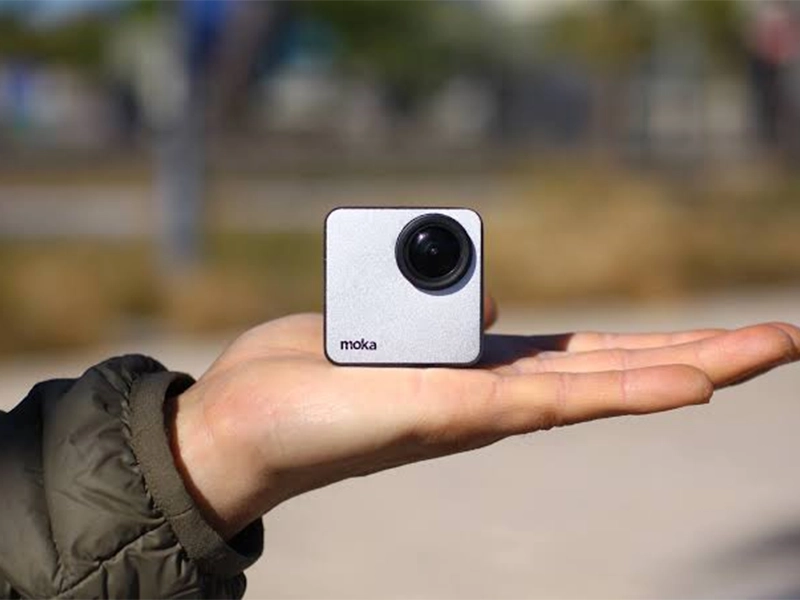
The Mokacam 4K Sports and Action Camera: Tiny but Powerful
How to Choose the Best Document Scanner for Your Needs