Volkswagen, one of the largest automotive manufacturers in the world, is making a bold commitment to the future of sustainable transportation. With a massive $2 billion investment into electric vehicles (EVs), Volkswagen aims to become a key player in the global transition to cleaner, more efficient mobility solutions. This ambitious push into the EV market not only reflects Volkswagen’s response to changing consumer demands but also its vision to create a more sustainable future for the automotive industry. This blog will explore Volkswagen’s $2 billion investment in electric vehicles, the reasons behind this strategic move, and how it will shape the future of both the company and the global automotive industry. Why Volkswagen is Investing Heavily in Electric Vehicles 1. Shifting Consumer Preferences As environmental awareness grows and concerns about climate change intensify, consumers are increasingly looking for more eco-friendly...
Volkswagen, one of the largest automotive manufacturers in the world, is making a bold commitment to the future of sustainable transportation. With a massive $2 billion investment into electric vehicles (EVs), Volkswagen aims to become a key player in the global transition to cleaner, more efficient mobility solutions. This ambitious push into the EV market not only reflects Volkswagen’s response to changing consumer demands but also its vision to create a more sustainable future for the automotive industry.
This blog will explore Volkswagen’s $2 billion investment in electric vehicles, the reasons behind this strategic move, and how it will shape the future of both the company and the global automotive industry.
Why Volkswagen is Investing Heavily in Electric Vehicles
1. Shifting Consumer Preferences
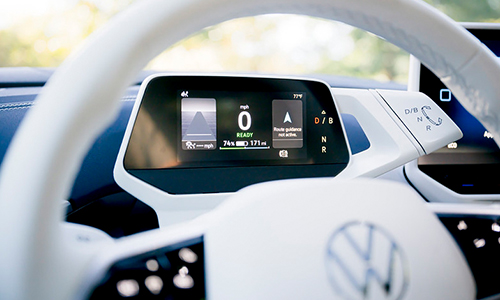
As environmental awareness grows and concerns about climate change intensify, consumers are increasingly looking for more eco-friendly alternatives to traditional gas-powered vehicles. The electric vehicle market has seen a surge in demand, with more people seeking cleaner, greener transportation options. Recognizing this shift in consumer behavior, Volkswagen is investing heavily in EV technology to stay competitive and meet the needs of a changing market.
Electric vehicles produce zero tailpipe emissions, making them a more sustainable choice for consumers who want to reduce their carbon footprint. Volkswagen’s investment in EVs aligns with the company’s goal of becoming a leader in sustainable mobility and addressing the growing demand for environmentally responsible vehicles.
2. Global Regulatory Pressure
Governments around the world are implementing stricter regulations on vehicle emissions, pushing automakers to transition away from fossil fuels. Many countries are setting ambitious targets to phase out internal combustion engine (ICE) vehicles in favor of electric alternatives. To comply with these regulatory changes and avoid hefty fines, automakers like Volkswagen are making significant investments in the development of electric vehicles.
Volkswagen’s $2 billion investment represents a strategic move to not only meet these regulatory requirements but also to stay ahead of the curve as the global automotive industry shifts toward electrification.
3. The Electric Future of Mobility
Volkswagen’s investment is part of a broader strategy to position itself as a leader in the electric vehicle revolution. The company has already introduced several electric models, including the ID.4 SUV, which is part of its growing lineup of EVs under the ID series. This investment will further accelerate the development and production of more electric vehicles, allowing Volkswagen to compete with other major players like Tesla, General Motors, and Nissan in the rapidly expanding EV market.
Volkswagen’s ultimate goal is to make electric vehicles accessible to the mass market. By scaling up production and investing in new technologies, the company aims to lower the cost of EVs, making them affordable for a broader range of consumers. This strategy is essential to achieving widespread adoption of electric vehicles and creating a sustainable future for the automotive industry.
Volkswagen’s Vision for a Sustainable Future
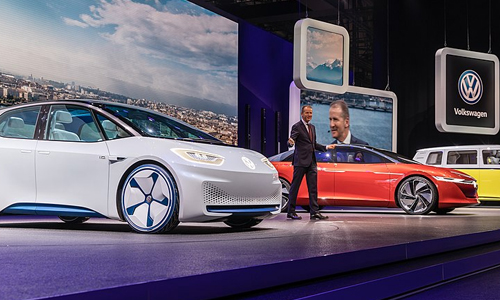
Volkswagen’s $2 billion investment in electric vehicles is just one part of its larger sustainability strategy. The company has committed to achieving carbon neutrality by 2050 and plans to make electric vehicles account for a significant portion of its total sales by 2030. Here’s how Volkswagen’s investment is contributing to a more sustainable future:
1. Development of New EV Models
Volkswagen is using its $2 billion investment to accelerate the development of new electric vehicle models across different segments. From compact cars to SUVs and even commercial vehicles, the company aims to offer a diverse range of EV options to meet the needs of various customers. This expansion will make electric vehicles more accessible to different demographics, from urban commuters to families and businesses.
One of Volkswagen’s flagship EV models is the ID.3, a compact electric car that has received widespread praise for its performance, range, and affordability. The ID.4, an electric SUV, is also gaining popularity, offering a spacious and versatile option for drivers seeking an eco-friendly alternative. These vehicles are part of Volkswagen’s broader electrification strategy, which will be expanded with future models that cater to different consumer preferences and needs.
2. Building a Global EV Manufacturing Network
To support its ambitious goals, Volkswagen is investing in expanding its global EV production capabilities. The company is building new manufacturing facilities and upgrading existing ones to accommodate the production of electric vehicles on a large scale. This investment will enable Volkswagen to produce millions of electric vehicles annually and meet the growing global demand for EVs.
Volkswagen’s global manufacturing network will play a critical role in reducing production costs, improving efficiency, and accelerating the delivery of EVs to consumers. By building localized production facilities, Volkswagen can reduce its reliance on imports and strengthen its position in key markets such as North America, Europe, and China.
3. Battery Technology and Sustainability
One of the biggest challenges in the electric vehicle industry is battery production. Electric vehicles rely on advanced lithium-ion batteries, and scaling up the production of these batteries is essential to meeting global demand. Volkswagen’s investment will also be used to enhance its battery production capabilities, with a focus on improving battery efficiency, energy density, and sustainability.
Volkswagen is investing in research and development to create more efficient battery technologies that offer longer ranges and shorter charging times. Additionally, the company is exploring ways to reduce the environmental impact of battery production by using more sustainable materials and recycling old batteries to recover valuable resources.
4. Infrastructure Development and Charging Solutions
For electric vehicles to become mainstream, there must be a robust charging infrastructure in place. Volkswagen is not only investing in the development of EVs but also working on expanding charging networks to make it easier for consumers to recharge their electric cars.
The company is partnering with various charging infrastructure providers to create a comprehensive network of fast-charging stations across key markets. By investing in charging solutions, Volkswagen is addressing one of the biggest barriers to EV adoption—range anxiety. With more charging stations available, consumers will feel more confident about making the switch to electric vehicles.
The Broader Impact on the Automotive Industry
Volkswagen’s $2 billion investment in electric vehicles is not just a game-changer for the company—it’s a signal to the entire automotive industry that the future is electric. As one of the largest automakers in the world, Volkswagen’s commitment to EVs sets an example for other manufacturers to follow.
1. Accelerating the Transition to Electric Mobility
Volkswagen’s investment will help accelerate the global transition to electric vehicles. As more automakers ramp up their EV production, the automotive industry will move closer to phasing out internal combustion engines and reducing its carbon footprint. This shift will also drive innovation in electric vehicle technology, leading to more advanced, affordable, and sustainable EV options for consumers.
2. A Competitive Advantage in the EV Market
With its $2 billion investment, Volkswagen is positioning itself as a leader in the electric vehicle market. This investment will allow the company to compete with established EV manufacturers like Tesla and emerging players in the EV space. By staying ahead of the curve and investing in new technologies, Volkswagen is ensuring its long-term success in an industry that is rapidly evolving.
Volkswagen’s $2 billion push into electric vehicles represents a pivotal moment in the company’s history and a significant step toward a more sustainable future. By investing in the development of new EV models, expanding its production capabilities, and improving battery technology, Volkswagen is laying the foundation for a greener, more efficient automotive industry. This bold investment will not only help Volkswagen stay competitive in the evolving market but also accelerate the global transition to electric mobility, benefiting consumers and the environment alike.
As Volkswagen continues to lead the charge toward electrification, the company’s investment in electric vehicles will shape the future of transportation and redefine what it means to drive sustainably.



Solana’s Worth in Future: What Could 1 SOL Be Worth?
How to Wake Up the System From Sleep Mode on Any Computer
The Mokacam 4K Sports and Action Camera: Tiny but Powerful
How to Choose the Best Document Scanner for Your Needs