The London Stock Exchange (LSE), established in 1801, stands as one of the world's oldest and most prestigious stock exchanges. Situated in the heart of London's financial district, the LSE has been a cornerstone of global finance, facilitating capital formation and investment for over two centuries. In 2025, the LSE continues to play a pivotal role in the global financial ecosystem, adapting to modern challenges and opportunities. Historical Background Origins and Evolution The LSE's roots trace back to the 17th century when stockbrokers began trading in London's coffee houses. Formalization came in 1801 with the establishment of a regulated exchange. Over the years, the LSE has undergone significant transformations, including the "Big Bang" deregulation in 1986, which introduced electronic trading and opened the market to foreign firms. Formation of London Stock Exchange Group (LSEG) In 2007, the LSE merged with...
The London Stock Exchange (LSE), established in 1801, stands as one of the world's oldest and most prestigious stock exchanges. Situated in the heart of London's financial district, the LSE has been a cornerstone of global finance, facilitating capital formation and investment for over two centuries. In 2025, the LSE continues to play a pivotal role in the global financial ecosystem, adapting to modern challenges and opportunities.
Historical Background
Origins and Evolution
The LSE's roots trace back to the 17th century when stockbrokers began trading in London's coffee houses. Formalization came in 1801 with the establishment of a regulated exchange. Over the years, the LSE has undergone significant transformations, including the "Big Bang" deregulation in 1986, which introduced electronic trading and opened the market to foreign firms.
Formation of London Stock Exchange Group (LSEG)
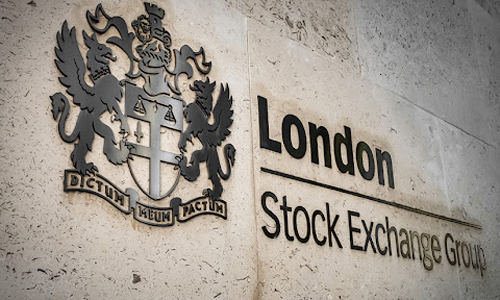
In 2007, the LSE merged with Borsa Italiana, forming the London Stock Exchange Group (LSEG). This merger expanded its reach and diversified its offerings, including data analytics and clearing services. Today, LSEG encompasses various services beyond traditional equity trading, such as indices (FTSE Russell), data analytics, and post-trade services.
Market Structure and Operations
Main Market and Alternative Investment Market (AIM)
The LSE operates two primary markets:
- Main Market: Home to over 1,300 large companies from more than 60 countries, offering a platform for established firms to raise capital.
- AIM: Launched in 1995, AIM caters to smaller, growing companies, providing a more flexible regulatory environment to encourage innovation and entrepreneurship.
Trading Mechanisms
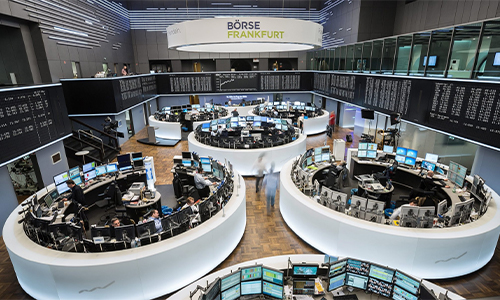
The LSE employs advanced electronic trading systems, ensuring efficient and transparent transactions. Key trading platforms include:
- SETS: The electronic order book for liquid securities.
- SETSqx: A hybrid system combining electronic auctions and market maker quotes for less liquid stocks.
Trading hours typically run from 08:00 to 16:30 GMT, with pre-market and post-market sessions available for certain securities.
Market Performance and Statistics
Market Capitalization
As of December 2024, the total market capitalization of companies listed on the LSE stood at approximately $4.4 trillion, reflecting its significant role in global finance.
Trading Volumes
The LSE has witnessed robust trading activity in recent years. In August 2024, the average number of daily trades on the LSE amounted to 560,000, indicating healthy market participation.
Sectoral Composition
The LSE hosts a diverse range of sectors, reflecting the UK's broad economic base. Key sectors include:
- Financial Services: Banks, insurance companies, and asset managers.
- Energy and Utilities: Oil, gas, and renewable energy firms.
- Consumer Goods and Services: Retailers, food and beverage companies.
- Healthcare and Pharmaceuticals: Biotechnology and pharmaceutical companies.
- Technology: Software, hardware, and IT services firms.
This sectoral diversity provides investors with a wide array of investment opportunities and helps mitigate sector-specific risks.
Recent Developments and Trends
IPO Activity
The LSE has seen a resurgence in IPO activity in 2025, with companies like Cobalt Holdings planning to raise significant capital through public listings. Cobalt Holdings aims to raise £175 million, marking one of the largest IPOs in recent years and signaling renewed investor confidence.
Pension Fund Investments
In a move to stimulate domestic investment, seventeen major UK pension funds have agreed to allocate at least 10% of their assets to private market investments, with half directed toward UK-based projects. This initiative, known as the "Mansion House accord," aims to unlock up to £50 billion in investments by 2030, potentially benefiting companies listed on the LSE.
Regulatory Environment
The LSE operates under the oversight of the Financial Conduct Authority (FCA), ensuring compliance with stringent regulatory standards. Post-Brexit, the UK has sought to maintain high regulatory standards while also exploring opportunities to enhance competitiveness and attract global listings.
Technological Innovations
The LSE has embraced technological advancements to enhance trading efficiency and data analytics. Investments in platforms like LSEG Workspace provide market participants with real-time data, analytics, and trading tools, facilitating informed decision-making.
Sustainability and ESG Initiatives
The LSE is committed to promoting sustainable finance and environmental, social, and governance (ESG) principles. It offers a dedicated Green Economy Mark to companies deriving significant revenue from green products and services, encouraging transparency and investment in sustainable businesses.
Challenges and Outlook
While the LSE remains a global financial hub, it faces challenges such as competition from other international exchanges, evolving regulatory landscapes, and the need to attract high-growth technology companies. However, initiatives like the Mansion House accord and a focus on technological innovation position the LSE for continued relevance and growth in the coming years.
Frequently Asked Questions (FAQs)
What is the London Stock Exchange?
The LSE is a stock exchange based in London, facilitating the buying and selling of stocks, bonds, and other securities.
How does the LSE differ from other global exchanges?
The LSE is known for its international listings, robust regulatory framework, and diverse sectoral representation, distinguishing it from other exchanges.
What is the FTSE 100 Index?
The FTSE 100 is a stock market index comprising the 100 largest companies listed on the LSE by market capitalization.
How can a company list on the LSE?
Companies can list on the Main Market or AIM, depending on their size and regulatory compliance, by meeting specific listing requirements and undergoing a vetting process.
What was the LSE-Deutsche Börse merger?
In 2017, a proposed merger between the LSE and Deutsche Börse was blocked by the European Commission due to concerns over market dominance in clearing fixed-income instruments.
The London Stock Exchange continues to be a vital player in global finance, adapting to modern challenges while maintaining its historical significance. With ongoing initiatives to attract investment, embrace technology, and promote sustainability, the LSE is well-positioned to support economic growth and innovation in the years ahead.


Solana’s Worth in Future: What Could 1 SOL Be Worth?
How to Wake Up the System From Sleep Mode on Any Computer
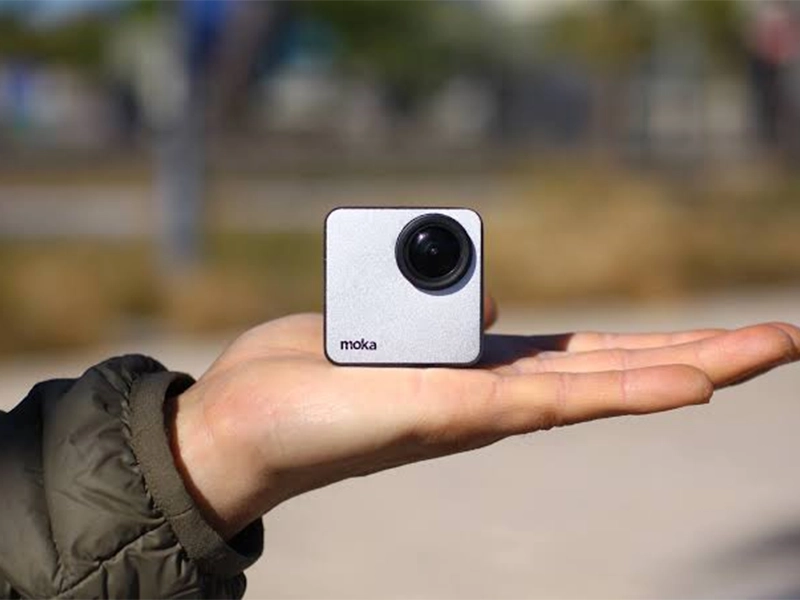
The Mokacam 4K Sports and Action Camera: Tiny but Powerful
How to Choose the Best Document Scanner for Your Needs