Intel’s SD card sized computer might be bulky than we thought
Uncategorized
Apr 1, 2014 |
administrator
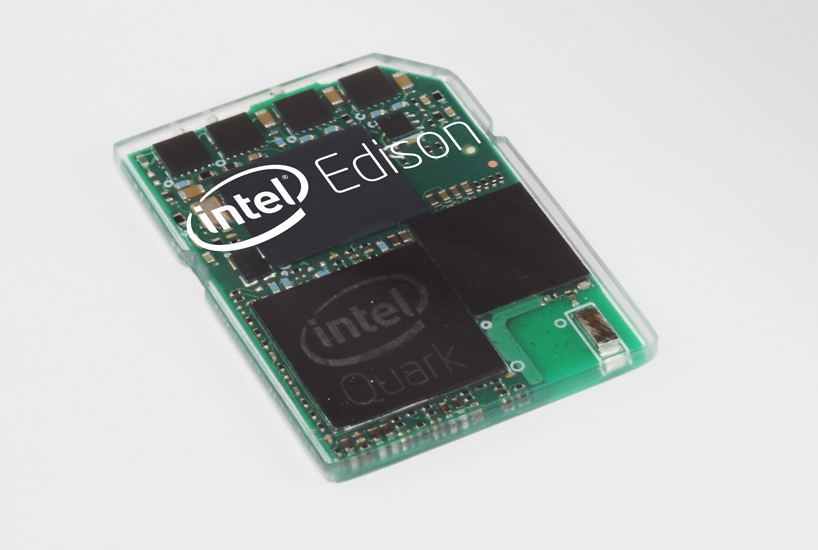
Intel's SD card sized computer At CES 2014, Intel has revealed the fact that it can make a SD card Sized chip called as “Pentium Class PC- Edison”. It is aimed at the smart wearable technology market. With just few months before the launch of Edison Development boards, Intel has changed its plan. Instead of Quark SOC chip meant for smart wearables and internet products. The first ever Edison products will be using their 22nm Silvermont dual core Intel Atom SOC, a chip being popular on PC and window tablets. An Edison PC with Atom chip will deliver more performance. But it would be bulky to fit a SD card size! So this will be bigger than we thought. We can understand that Quark based chip still in the race for Edison products line up. For now Edison products will...
Intel's SD card sized computer
At CES 2014, Intel has revealed the fact that it can make a SD card Sized chip called as “Pentium Class PC- Edison”. It is aimed at the smart wearable technology market. With just few months before the launch of Edison Development boards, Intel has changed its plan. Instead of Quark SOC chip meant for smart wearables and internet products. The first ever Edison products will be using their 22nm Silvermont dual core Intel Atom SOC, a chip being popular on PC and window tablets. An Edison PC with Atom chip will deliver more performance. But it would be bulky to fit a SD card size! So this will be bigger than we thought. We can understand that Quark based chip still in the race for Edison products line up.
For now Edison products will now equipped with Atom chip and we can expect it this summer!
Blockchain is a decentralized, distributed ledger that records transactions across multiple computers. It ensures transparency, security, and immutability in data storage.
AR overlays digital information onto the real world through devices like smartphones or AR glasses, enhancing the user's perception of the environment.
IoT refers to the network of interconnected devices that communicate and share data. It enables smart homes, wearable tech, and efficient industrial processes.
AI involves creating computer systems capable of performing tasks that typically require human intelligence. It includes machine learning, natural language processing, and computer vision.
VR creates a simulated environment that users can interact with. It typically involves the use of VR headsets to provide an immersive experience.
Cybersecurity is the practice of protecting computer systems, networks, and data from digital attacks. It includes measures like firewalls, antivirus software, and encryption.
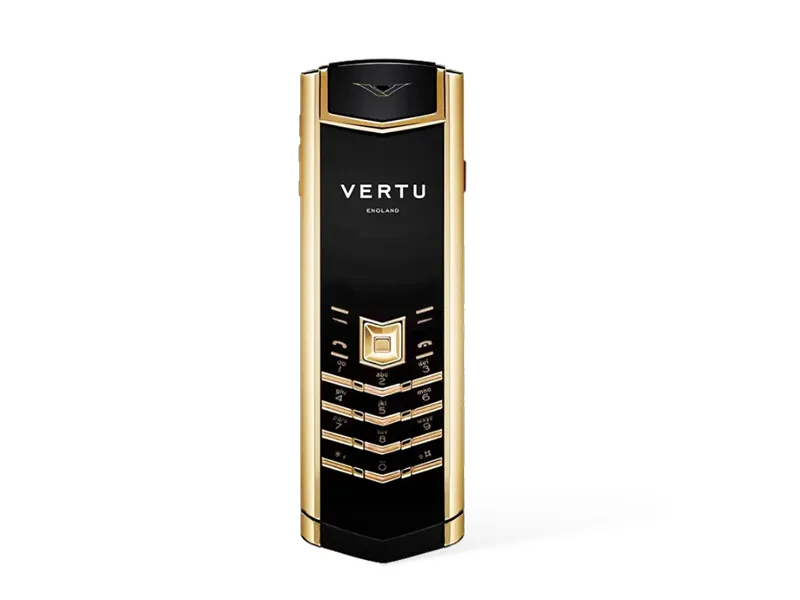

Why Are Vertu Phones So Expensive?
Can a Smart Home Work Without Internet? Explained
Solana’s Worth in Future: What Could 1 SOL Be Worth?
How to Wake Up the System From Sleep Mode on Any Computer