Social media is seeing a fresh wave of creativity thanks to the Nano Banana Trend — a viral phenomenon where users transform normal selfies into toy-like, highly detailed 3D figurines using Google’s Gemini 2.5 “Flash Image” model. What started as a playful art experiment has turned into a full-blown cultural moment, shaping how people express identity, art, and digital style. What is the Nano Banana Trend? [embed]https://twitter.com/GeminiApp/status/1962647023389114749[/embed] Origins Released in August 2025, “Nano Banana” is the internal name for Google DeepMind’s Gemini 2.5 Flash Image tool which is built into the Gemini app and Google AI Studio. What Happens You upload a photo (selfie, pet, whatever), enter a prompt, and the model turns it into a stylized 3D figurine — often on a base, sometimes with toy packaging, with details like lighting, posture, and textures stylized. Why It’s Viral It’s...
Social media is seeing a fresh wave of creativity thanks to the Nano Banana Trend — a viral phenomenon where users transform normal selfies into toy-like, highly detailed 3D figurines using Google’s Gemini 2.5 “Flash Image” model. What started as a playful art experiment has turned into a full-blown cultural moment, shaping how people express identity, art, and digital style.
What is the Nano Banana Trend?
[embed]https://twitter.com/GeminiApp/status/1962647023389114749[/embed]
Origins
Released in August 2025, “Nano Banana” is the internal name for Google DeepMind’s Gemini 2.5 Flash Image tool which is built into the Gemini app and Google AI Studio.
What Happens
You upload a photo (selfie, pet, whatever), enter a prompt, and the model turns it into a stylized 3D figurine — often on a base, sometimes with toy packaging, with details like lighting, posture, and textures stylized.
Why It’s Viral
It’s easy, visually striking, personal, and taps into fandom, nostalgia, and collectibles. People enjoy seeing stylized versions of themselves and sharing. The blend of simplicity + high-quality output is powerful. Google claims over 200 million image edits already, with more than 10 million new users drawn to Gemini due to this feature.
How Does Nano Banana Work?
Here’s a simplified tech breakdown:
- Computer Vision + Depth Estimation: The tool analyzes facial features, angles, pose, contours.
- Neural Rendering: It renders textures, lighting, shadows, reflections etc., to make it ‘feel’ 3D.
- Prompt Guidance: Users tell the model the style, the environment, the pose, props etc., via text prompt. The quality of prompt heavily influences the final output.
How to Try the Nano Banana Trend Yourself
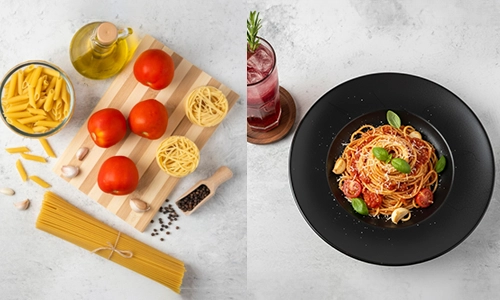
Prompt: Turn these ingredients into a delicious-looking pasta, inspired by these ingredients. Plate it as if it were a dish at a 5-star restaurant along with a drink
Want to hop on this trend and make your own figurine? Here’s a step-by-step guide:
1. Get Gemini / Google AI Studio
Make sure you have access to the Gemini app or AI Studio, and that it supports the “Nano Banana” (Gemini 2.5 Flash Image) model.
2. Choose a Good Photo
- Tongue clear, face visible
- Good lighting (natural light is better)
- Simple background helps the AI focus on the subject
3. Write a Detailed Prompt
[embed]https://twitter.com/GeminiApp/status/1962647022068187208[/embed]
Some examples:
- “Heroic pose, polished wooden base, natural daylight, realistic textures”
- “Anime figurine style, soft pastel lighting, acrylic packaging box beside figure”
- Use references (e.g., “like action figure packaging”, “collectible toy”, “minimal props”)
4. Select Style & Pose
The more specific the better — whether you want realistic, cartoonish, fantasy, collectible. Also specify pose (“standing”, “sitting”, “action pose”).
5. Iterate
The first result may not be perfect. Tweak your prompt, maybe try different angles, lighting, or props. Many users report improvements after 2–3 attempts.
6. Save & Share
Once you have a good version, download the image. These are popular as profile pictures, avatars, or just for fun share on social media.
What People Love — And What Frustrates Them
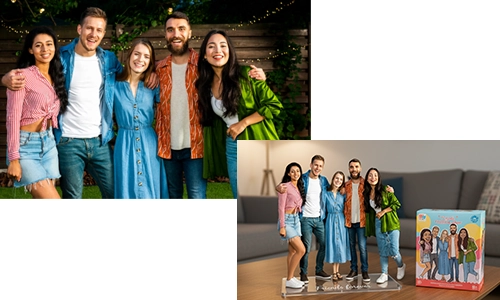
Prompt - Create a 1/7 scale caricature figurine of the characters in the picture, in a realistic style, in a real environment. The figurine is placed on a wooden table in the living room. The figurine has a rectangular acrylic base with the text "Friends forever" on the base. Next to the wooden table is a packaging box, designed in a cartoon style reminiscent of high-quality collectible figures, printed with original artwork. The packaging features two-dimensional flat illustrations.
What’s Working Well
- Fast turnaround — it doesn’t take hours or technical skills.
- Pronounced visual appeal — toy-collector style, packaging, acrylic bases, realistic textures.
- Massive shareability on Snapchat, Instagram, TikTok etc.
What Users are Complaining About
- Sometimes the tool ignores parts of the prompt or styles (backgrounds, formats) and just returns a version close to the original.
- Limited control over fine details (e.g. cropping or specific props) for some users.
5 Pro Tips to Get Better Nano Banana 3D Figurines
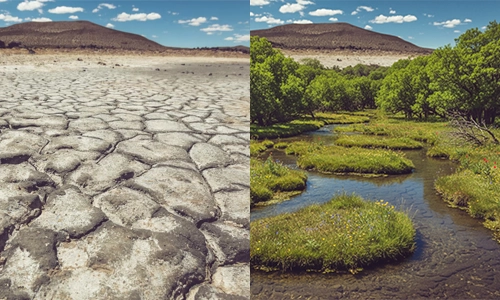
Prompt - Create dryness into abundance in a realistic style, in a real environment. Keep the mountain and sky the same, and add water to the drought area. Ensure the trees in the picture remain, but in a fertile way.
- Be explicit in the prompt: Don’t assume the AI fills in gaps well. Say exactly what you want.
- Use single-person photos only: Multiple people often confuse the model.
- Clean, uncluttered background: Helps the AI understand subject separation.
- Good lighting & clear face: Natural or soft diffused lighting works best.
- Include props or bases in the prompt: Mention bases (e.g., acrylic or wood), packaging boxes, and the environment. Makes it look collectible.
Why the Nano Banana Trend Matters
- It’s not just a meme; it shows how generative AI is becoming more accessible and expressive.
- People are using it for branding, self-expression, fan art, creative content.
- It also raises questions of representation, privacy, digital watermarking of AI content. As more AI tools like this emerge, how we treat authorship, use of prompts, image rights becomes more important.
FAQs About the Nano Banana Trend
What exactly is the Nano Banana Trend?
It’s a viral trend powered by Google Gemini’s Nano Banana (Gemini 2.5 Flash Image) model that lets users turn their photos into toy-styled 3D figurines using prompts.
Do I need to pay to use Nano Banana?
As of now, it’s built into the Gemini app/AI Studio. Some features may be free; others might be limited or behind premium features depending on your region.
How long has Nano Banana been out?
It launched publicly in August 2025. In early weeks, it saw major adoption and over 200 million image edits.
Can I use Nano Banana for commercial purposes?
Usually, the terms of service of Gemini / Google DeepMind will dictate usage rights. If you plan to sell prints or use in high stakes, check those rules carefully.
What are best practices for prompt writing in this trend?
Be descriptive, specify style (realistic, toy collectible, anime, etc.), include environment, props, base material (wood, acrylic), lighting, pose. Avoid vague terms.
The Nano Banana Trend is more than just eye-candy. It’s shaping how we view digital art, identity, and how accessible high-quality AI creativity has become. With the right prompts and photos, almost anyone can turn a simple selfie into something that looks photoshop-level professional.
If you try this trend yourself, feel free to share your results or prompts — always cool to see how people put their own spin on it.
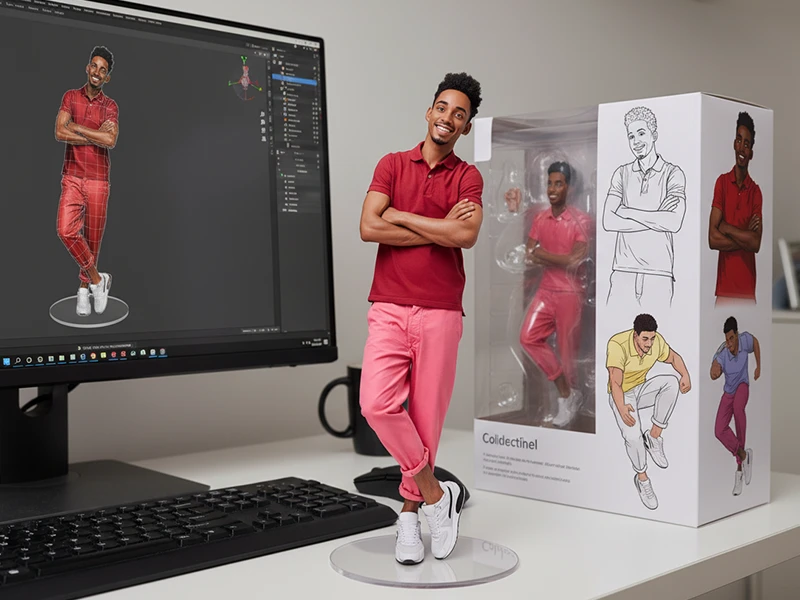
Editor’s Note: Prompt for Featured Image: Create a 1/7 scale, commercialized figurine of the characters in the picture, in a realistic style, set in a real environment. The figurine is placed on a computer desk. The figurine has a round transparent acrylic base, with no text on the base. The content on the computer screen is a 3D modeling process of this figurine. Next to the computer screen is a toy packaging box, designed in a style reminiscent of high-quality collectible figures, printed with original artwork. The packaging features two-dimensional flat illustrations.

Solana’s Worth in Future: What Could 1 SOL Be Worth?
How to Wake Up the System From Sleep Mode on Any Computer
The Mokacam 4K Sports and Action Camera: Tiny but Powerful
How to Choose the Best Document Scanner for Your Needs