As the number of connected devices worldwide continues to skyrocket, so does the need to keep them secure, functional, and up-to-date. That’s where OTA (Over-the-Air) updates come in. For manufacturers and users alike, OTA updates have become a cornerstone of the modern Internet of Things (IoT) ecosystem. What Are OTA Updates? OTA updates refer to the wireless delivery of new software, firmware, or security patches to connected devices—everything from smart thermostats and fitness trackers to industrial sensors and autonomous vehicles. Instead of requiring manual downloads or in-person servicing, OTA updates allow manufacturers to push improvements and fixes remotely. Why OTA Updates Matter More Than Ever 1. Security Is Non-Negotiable With more devices connected to the internet, cybersecurity threats have increased exponentially. OTA updates enable manufacturers to patch vulnerabilities in real-time, significantly reducing the risk of exploitation. Without OTA capabilities, many...
As the number of connected devices worldwide continues to skyrocket, so does the need to keep them secure, functional, and up-to-date. That’s where OTA (Over-the-Air) updates come in. For manufacturers and users alike, OTA updates have become a cornerstone of the modern Internet of Things (IoT) ecosystem.
What Are OTA Updates?
OTA updates refer to the wireless delivery of new software, firmware, or security patches to connected devices—everything from smart thermostats and fitness trackers to industrial sensors and autonomous vehicles. Instead of requiring manual downloads or in-person servicing, OTA updates allow manufacturers to push improvements and fixes remotely.
Why OTA Updates Matter More Than Ever
1. Security Is Non-Negotiable
With more devices connected to the internet, cybersecurity threats have increased exponentially. OTA updates enable manufacturers to patch vulnerabilities in real-time, significantly reducing the risk of exploitation. Without OTA capabilities, many devices would remain permanently exposed to known threats.
2. Continuous Feature Enhancement
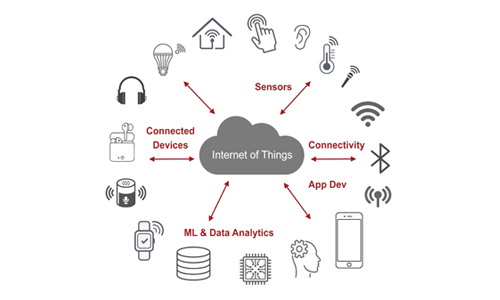
OTA allows brands to offer new features post-purchase. Tesla is a prime example—regular updates have brought major improvements to performance, UI, and even driving capabilities, long after a car leaves the lot.
3. Reduced Maintenance Costs
OTA drastically lowers operational costs. Instead of recalling devices or sending service teams, companies can fix bugs or optimize performance remotely, reducing downtime and customer dissatisfaction.
4. Compliance and Regulations
Increasingly, governments are introducing laws that require connected devices to be kept updated for safety and privacy. OTA ensures manufacturers stay compliant without burdening end users.
5. Better Customer Experience
From smartwatches to home security systems, OTA updates often include quality-of-life enhancements. Improved UI, expanded language support, or battery optimizations can all be delivered with minimal disruption.
The Industries Leading the Charge
- Automotive: Brands like Ford, Rivian, and Tesla use OTA to improve EV performance, fix bugs, and update autonomous driving algorithms.
- Healthcare: Wearables and connected medical devices use OTA for real-time health monitoring enhancements and compliance with health regulations.
- Consumer Electronics: Smart TVs, speakers, and phones rely on OTA to stay competitive and secure.
Challenges of OTA Implementation
Implementing OTA updates isn’t without hurdles. Ensuring the update process is secure, preventing data corruption, and guaranteeing rollback capabilities in case of failure are all vital. A poorly implemented OTA can brick a device or expose it to attacks.
In an age where software is just as critical as hardware, OTA updates for connected devices are not just a convenience—they're a necessity. They empower manufacturers to innovate continuously, keep users safe, and respond to market demands with agility. As IoT devices become more embedded in daily life, OTA will remain a key pillar of the connected world.



Solana’s Worth in Future: What Could 1 SOL Be Worth?
How to Wake Up the System From Sleep Mode on Any Computer
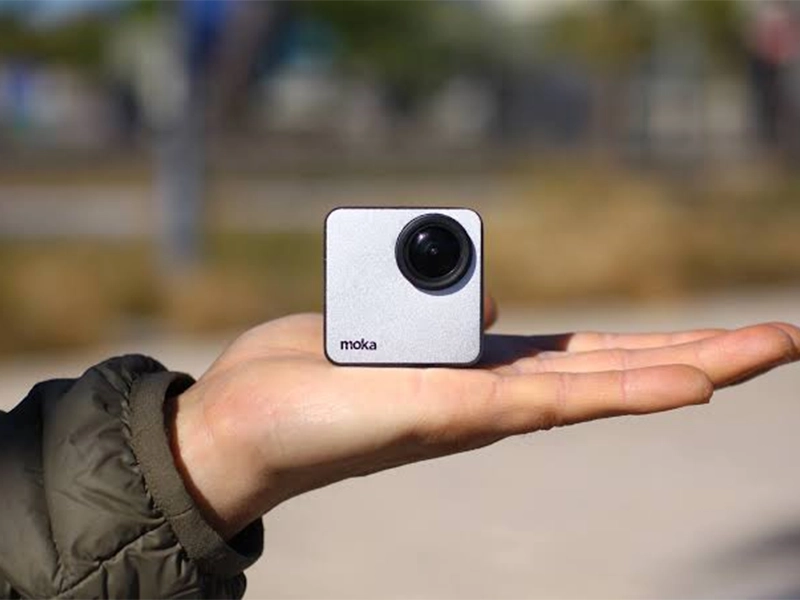
The Mokacam 4K Sports and Action Camera: Tiny but Powerful
How to Choose the Best Document Scanner for Your Needs