The dream of electric aircraft investment revolutionizing air travel took a dramatic turn when two aviation giants placed their bets on what seemed like the future of sustainable flight. What started as a promising partnership ended in bankruptcy, lawsuits, and an $81 million court verdict that has rocked the aerospace industry. The Original Vision: Zunum Aero's Electric Dream Back in 2017, Seattle-based startup Zunum Aero captured the attention of major aviation players with its ambitious plan to develop hybrid-electric regional aircraft. The company, sometimes called "the Tesla of the airplane industry," received significant funding from Boeing HorizonX and JetBlue Technology Ventures for what appeared to be a groundbreaking electric aircraft investment. The startup promised to develop relatively small regional aircraft capable of carrying 6-12 passengers, with a target price below $4.5 million per unit. The vision was compelling: cleaner, quieter,...
The dream of electric aircraft investment revolutionizing air travel took a dramatic turn when two aviation giants placed their bets on what seemed like the future of sustainable flight. What started as a promising partnership ended in bankruptcy, lawsuits, and an $81 million court verdict that has rocked the aerospace industry.
The Original Vision: Zunum Aero's Electric Dream
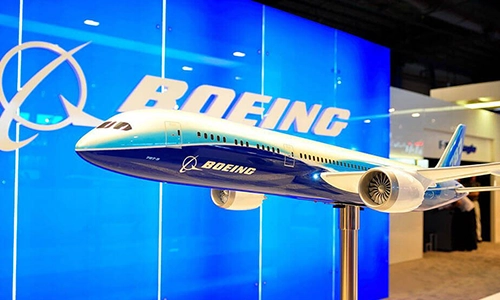
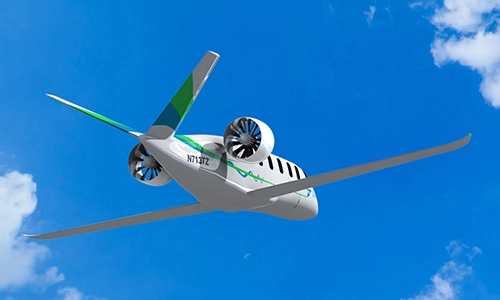
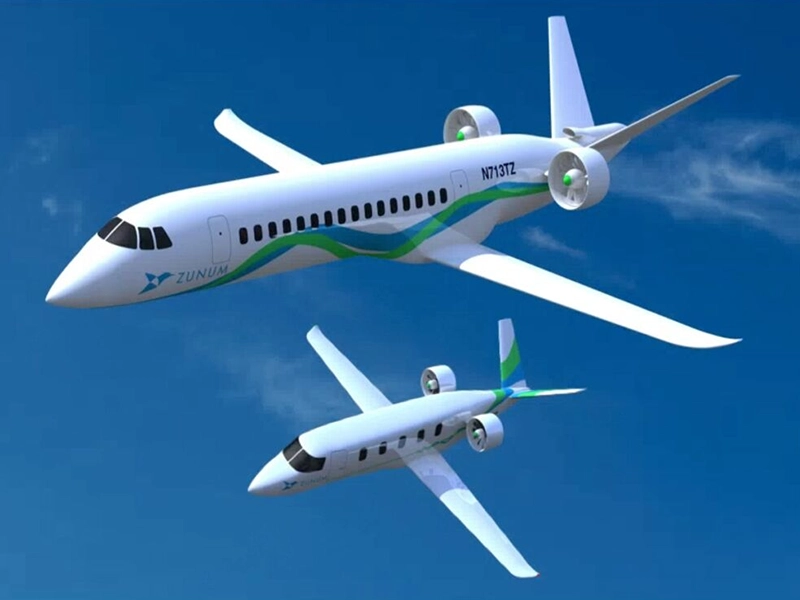
Back in 2017, Seattle-based startup Zunum Aero captured the attention of major aviation players with its ambitious plan to develop hybrid-electric regional aircraft. The company, sometimes called "the Tesla of the airplane industry," received significant funding from Boeing HorizonX and JetBlue Technology Ventures for what appeared to be a groundbreaking electric aircraft investment.
The startup promised to develop relatively small regional aircraft capable of carrying 6-12 passengers, with a target price below $4.5 million per unit. The vision was compelling: cleaner, quieter, and more cost-effective regional flights that could revolutionize short-haul aviation.
Why Electric Aviation Matters?
This electric aircraft investment story is incredibly relevant to current trends. The hybrid aircraft market was valued at $1.4 billion in 2024 and is projected to grow at a staggering 23.4% CAGR through 2034, driven by increasing demand for eco-friendly aviation solutions.
With aviation responsible for approximately 2-3% of global CO2 emissions, the pressure for sustainable alternatives has never been higher. Electric and hybrid aircraft represent a crucial pathway to reducing the industry's environmental footprint, making early investments in this technology a highly strategic move.
The Spectacular Collapse

However, the Zunum Aero story took a dark turn. By 2019, the Bothell-based startup had run out of cash, and much of the operation collapsed. What seemed like a promising electric aircraft investment turned into a cautionary tale about the challenges of aviation innovation.
The company's ambitious timeline and technical challenges proved insurmountable. Developing electric aircraft requires solving complex problems around battery weight, energy density, and safety certification - hurdles that proved more difficult than initially anticipated.
The Legal Drama: An $81 Million Verdict
The plot thickened when Zunum Aero filed a lawsuit against Boeing in 2020, alleging trade secret misappropriation and business interference. The startup claimed that Boeing had accessed its proprietary electric vehicle aircraft technology and propulsion systems, then used that information to sabotage potential partnerships.
In 2024, a Seattle federal jury initially awarded Zunum Aero $72 million, finding that Boeing had interfered with negotiations between Zunum and potential investor Safran. The case has seen multiple reversals and appeals, with the most recent development fully restoring the jury's verdict, vindicating Zunum's efforts to protect its groundbreaking technology.
What This Means for Electric Aviation Today
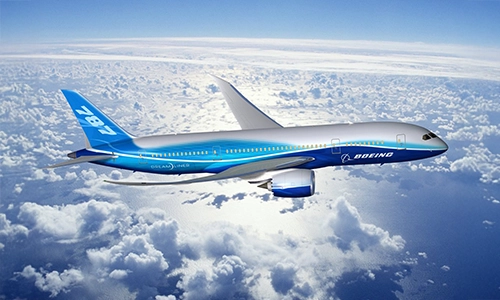
Despite Zunum's failure, the electric aircraft investment landscape remains robust. Major players like Joby Aviation, Lilium, and Eviation are making significant progress in electric aviation, learning from early setbacks like Zunum's experience.
Boeing continues its innovation efforts, with the company focusing on emerging technologies, unmanned aircraft systems, and sustainable transportation solutions. The lessons from the Zunum investment likely inform Boeing's current approach to electric aviation partnerships.
The Current State of Electric Flight
The industry has matured significantly since Zunum's early days. Current electric aircraft investment focuses on:
- Urban Air Mobility (UAM): Companies like Joby Aviation developing electric vertical takeoff aircraft
- Regional Electric Aircraft: Eviation's Alice and similar platforms for short-haul flights
- Hybrid Solutions: Combining electric motors with traditional engines for extended range
- Infrastructure Development: Building charging networks and certification frameworks
Lessons for Future Electric Aircraft Investment
The Zunum Aero saga offers valuable insights for future electric aircraft investment:
- Technical Reality Check: Battery technology and weight remain significant challenges
- Regulatory Complexity: Aviation certification is incredibly complex and time-consuming
- Partnership Risks: Clear agreements and intellectual property protection are crucial
- Market Timing: Being too early can be as problematic as being too late
Looking Forward: The Future of Electric Aviation
While Zunum Aero's story ended in disappointment, it represents just one chapter in the electric aviation revolution. The legal verdict, whether it stands or is appealed again, highlights the high stakes and intense competition in this emerging market.
Today's electric aircraft investment landscape benefits from Zunum's lessons. Companies are more realistic about timelines, more careful about partnerships, and more focused on proven technologies rather than ambitious leaps.
The aviation industry's commitment to sustainability remains strong, and electric aircraft will likely play a crucial role in achieving carbon-neutral flight. The question isn't whether electric aviation will succeed, but rather which companies will successfully navigate the technical and business challenges.
Boeing and JetBlue's initial investment in Zunum Aero, an electric aircraft company, may not have achieved its revolutionary goals. Still, it paved the way for today's more mature approach to sustainable aviation. As the legal battles continue and new players emerge, the dream of clean electric flight remains very much alive.




Solana’s Worth in Future: What Could 1 SOL Be Worth?
How to Wake Up the System From Sleep Mode on Any Computer
The Mokacam 4K Sports and Action Camera: Tiny but Powerful
How to Choose the Best Document Scanner for Your Needs